LOCAL’S TAKE ON CROATIA IN WINTER: WEATHER, THINGS TO DO, PROS & CONS
Karla Types, Croatia Travel Blog, contains affiliate links and is a member of the Amazon Services LLC Associates Program. If you use these links to buy something I may earn a commission at no additional cost to you. See my Disclosure Policy for more information. Thank you.
Croatia is definitely a summer destination, but if you’re wondering if it’s worth visiting Croatia in winter, I’ll tell you that it absolutely is!
Most people plan their visit to Croatia during the summer months because Croatia’s main attraction is definitely its stunning Adriatic Coast. While you won’t be able to do the same activities if you visit Croatia in winter, this country is still worthy of a visit, even in the colder months. Keep reading to find out more about the weather, winter activities, best places to visit, and why visit Croatia in winter!
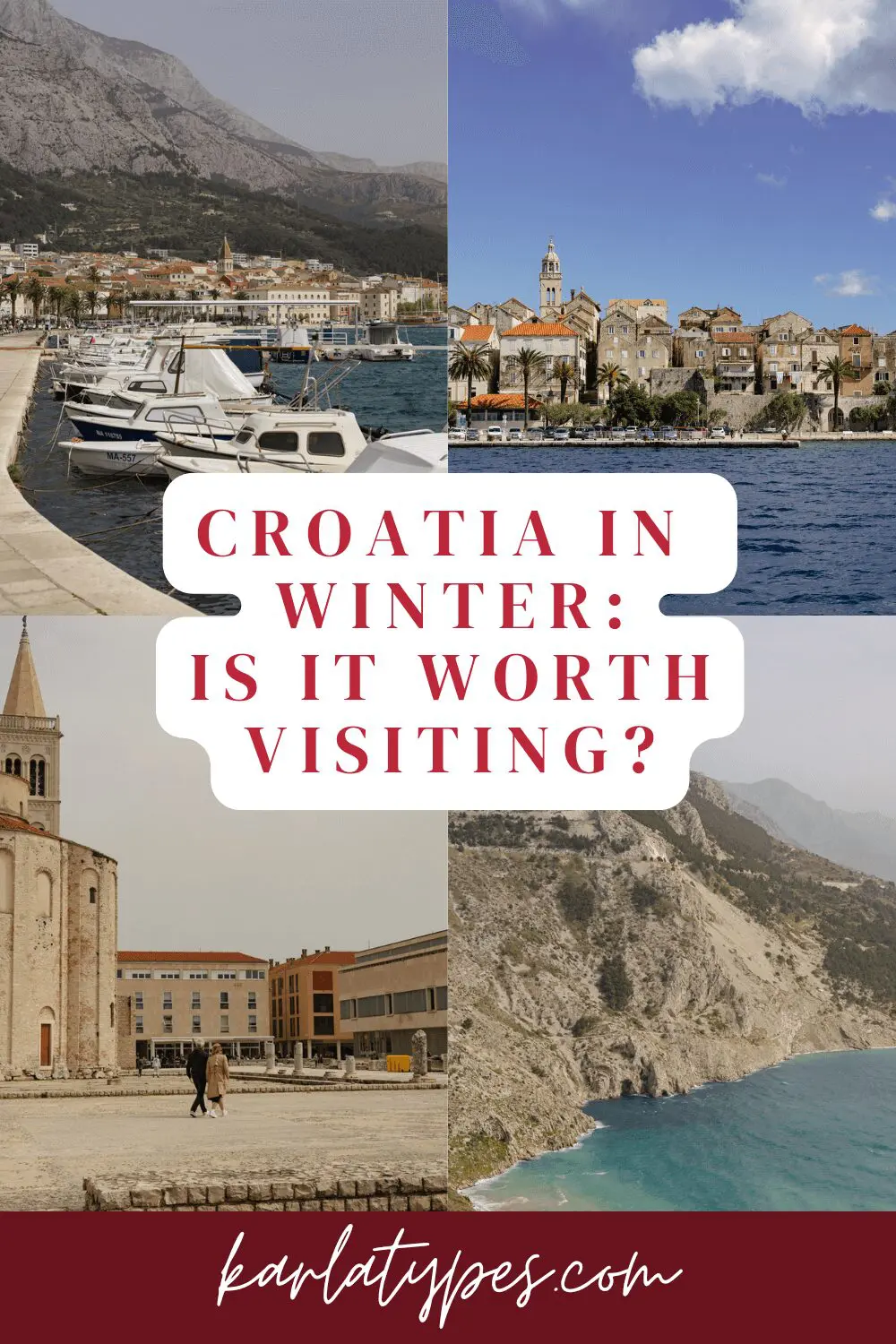
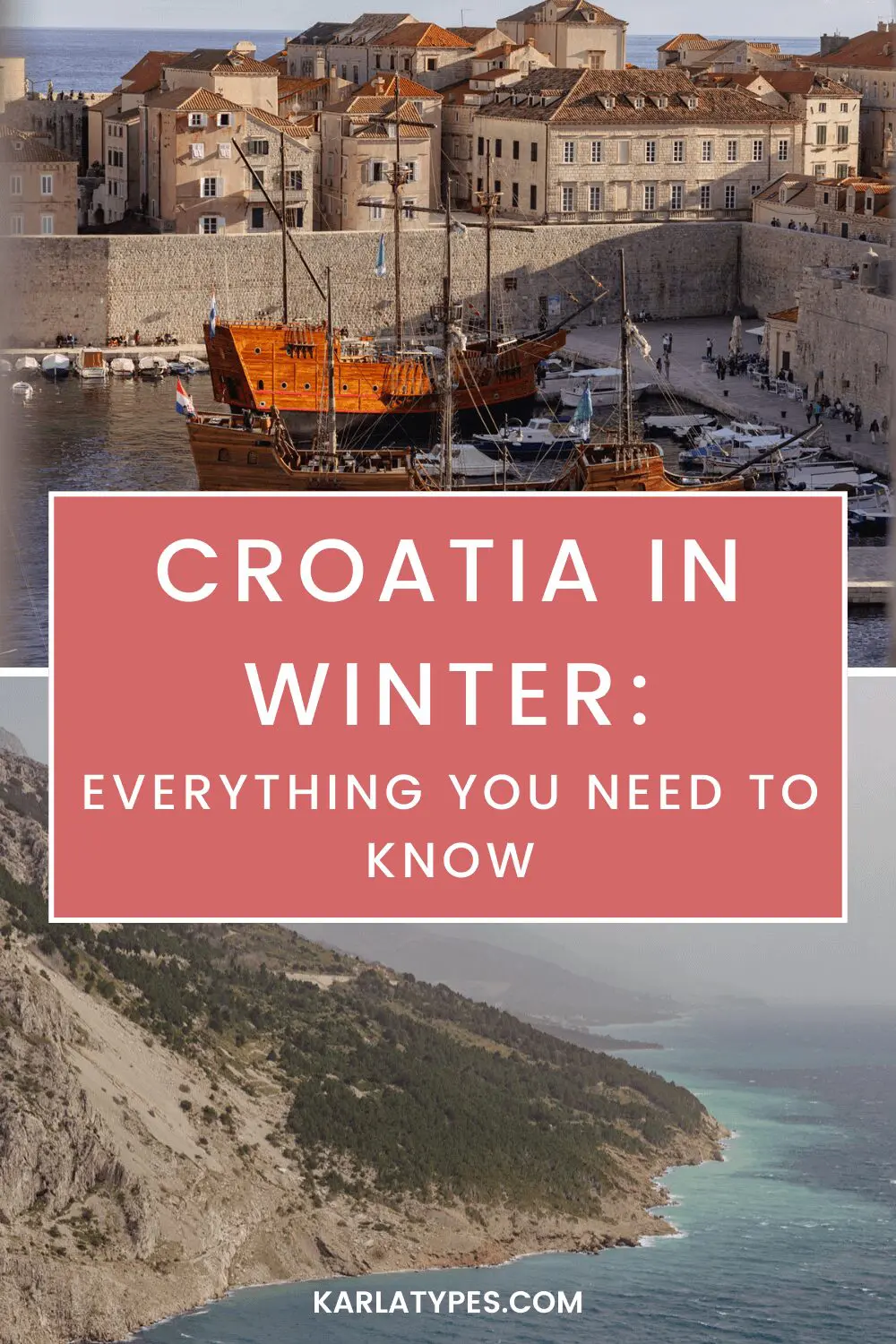
CROATIA AND WINTER WEATHER: WHAT’S IT LIKE AND WHAT ARE THE TEMPERATURES?
Croatia has a few different types of winter weather, depending on which region you want to visit. The country has two main climate zones: Mediterranean along the coast and continental inland. Depending on where you’re going, the weather will vary.
If you’re visiting coastal Croatia (Dalmatia and Istria) you’ll find yourself in a Mediterranean climate with mild winters. Average daytime temperatures along the coast range from 5°C to 15°C (41°F to 59°F). There are still plenty of sunny days, but you can also expect some rain and strong winds, especially the cold wind known as Bura. There’s most likely not going to be any snow.
If you’re visiting inland Croatia (Zagreb or Slavonia), you’ll experience a continental climate. Temperatures inland are much colder, with average temperatures ranging from -5°C to 5°C (23°F to 41°F). You’ll probably see some snow, particularly at higher elevations (Sljeme in Zagreb, for example!). There’s also plenty of fog and frost. If you want the winter experience in Croatia, come inland.
There’s also a region in Croatia called Gorski Kotar, which has an Alpine climate. This is the region you’ll pass through on your way to Plitvice Lakes, which are probably already on your itinerary. In Gorski Kotar, average winter temperatures often drop below 0°C (32°F), and there’s plenty of snow. That makes this region perfect for winter sports!

IS IT WORTH VISITING CROATIA IN WINTER?
Croatia can be a great destination to visit in winter. How much you’ll enjoy it really depends on your interests and expectations for this trip. Winter offers a very different experience from the popular summer season. I personally prefer summer (obviously!), but winter can be quite charming too. For a first-time visit, I’d go for summer, but if you’ve already explored the coast, a winter trip could be amazing. Check out these pros and cons of visiting Croatia in winter to help you decide:
CROATIA IN WINTER: PROS
Fewer Crowds
Each year, Croatia gets more and more crowded with tourists during summer. The crowds are often unbearable, and unless you’re really good at dealing with large crowds of people, you might even hate Croatia during summer.
Croatia’s coastal towns, such as Dubrovnik, Split, and Zadar, are much quieter in winter. Winter months allow you to explore their historic sites and stunning architecture without the large crowds. You can enjoy iconic landmarks like Dubrovnik’s Old Town and Diocletian’s Palace in Split without the usual hordes of people, which is definitely a plus in my book! There are plenty of sunny days along the coast, so while you won’t be able to swim, you could get a lovely sunny day with the old towns almost all to yourself.
Lower Prices
If you’re on a budget, you’ll definitely spend less during winter than during summer in Croatia. Hotels and flights are much cheaper, so your trip will be more affordable. Obviously, it’s not going to be the same experience because you won’t be able to enjoy the sea during winter. However, we all know Croatia has become more and more expensive over the years, so visiting during winter will do wonders for your budget if that’s important to you.
Christmas Markets and Festivities
Croatia has wonderful Christmas markets, especially the one in Zagreb. The lovely Zagreb Christmas market has been named one of the best Christmas markets in Europe for several years in a row. The festive atmosphere during December includes lights, food stalls, live music, ice skating, and holiday-themed events. If you’re a fan of Christmas markets, you definitely won’t be disappointed with Zagreb. Other cities like Split and Dubrovnik also have smaller but charming Christmas markets, but some of the nicest ones are in towns you probably wouldn’t even consider visiting during summer, such as Opatija, Varaždin, and Osijek!


GET A CUSTOM CROATIA ITINERARY!
● Croatian with 15+ years exploring Croatia
● Based in Zagreb, lived in Dubrovnik & Osijek
● First-hand destination experience
● Recommendations from personal visits and local contacts
CROATIA IN WINTER: CONS
Colder Weather
The opportunities in Croatia are quite different in winter than in summer. It can get quite cold, with temperatures reaching 15°C only in the warmest parts of the country. That means there’s no way you’ll be able to enjoy swimming and sunbathing while visiting Croatia. There are no boat trips, water sports, or many of the other activities connected to warm weather. You’ll have to dress accordingly, often with a thicker jacket, or even boots and a winter coat if you’re going inland.
Limited Activities
In winter, most tourist activities are closed because it’s the off-season. If you’re visiting during this time, you have to keep in mind that tours, attraction opening hours, and ferry schedules are really limited, so you’ll have to manage as best you can. They usually become less frequent in November and start up again in April. You’ll have to plan your itinerary carefully if you want to visit some of Croatia’s attractions.

CROATIA IN WINTER: THINGS TO DO
Croatia in winter is really special and it offers various activities, depending on the region you decide to visit. Here are the best things you can do in Croatia in winter!
Explore Christmas Markets
Croatia has stunning Christmas markets, so if you’re visiting Croatia in December, definitely check them out. Zagreb’s Christmas market is one of the best in Europe, and the biggest one in Croatia. It’s spread across several locations throughout the city, and each location has Christmas stalls selling food, drinks, and handcrafted goods, as well as gorgeous Christmas decorations. The most popular location is King Tomislav Square, with its huge ice rink. I would recommend visiting Zagreb during December, even if you haven’t planned it!
Split and Dubrovnik also have Christmas markets if you’re visiting Dalmatia in winter. They are smaller than Zagreb’s but still have charming markets with local food, crafts, and festive decorations. As I already mentioned, several other cities have lovely Christmas markets as well, such as Opatija, Varaždin, and Osijek.

Visit Dubrovnik’s Old Town
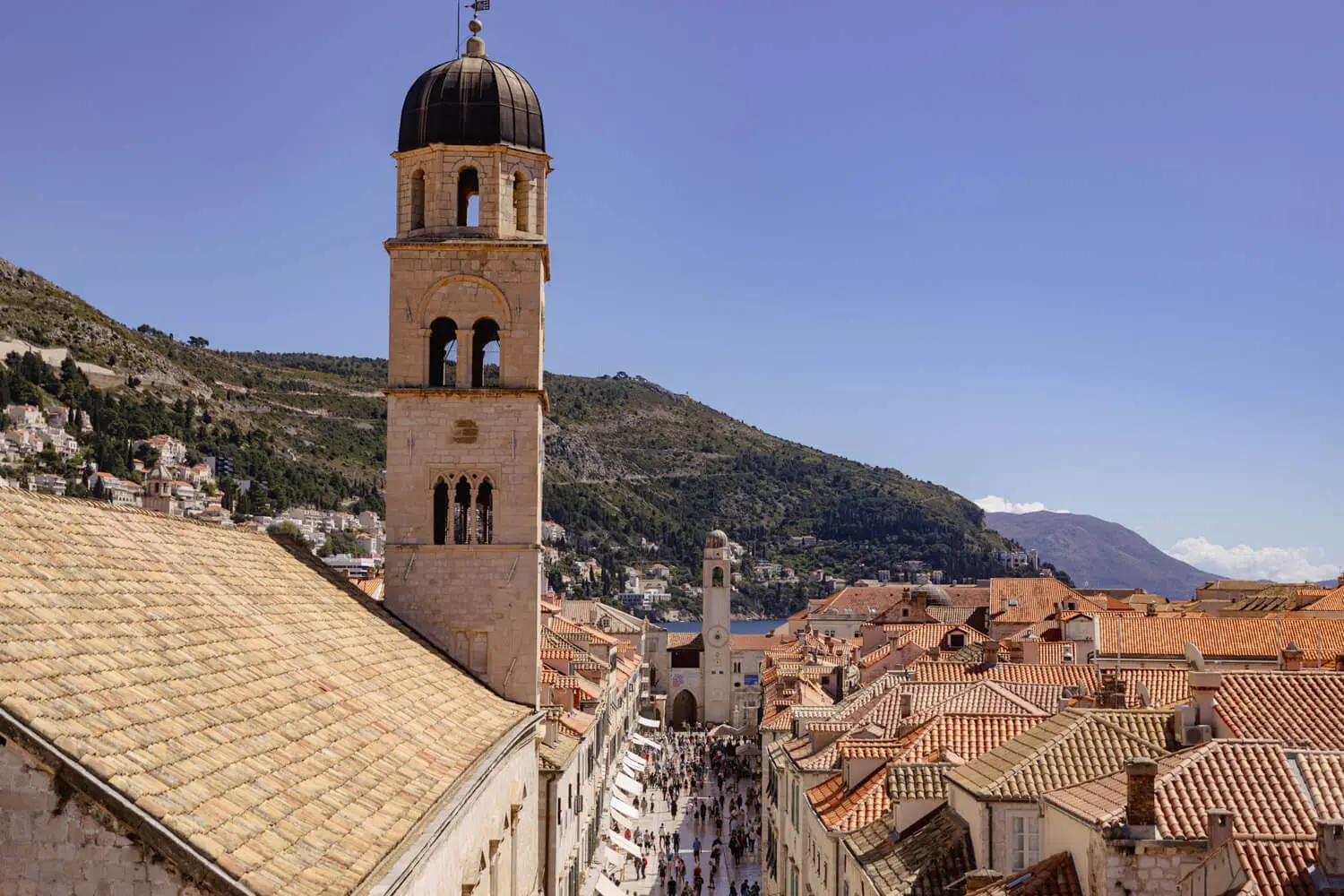
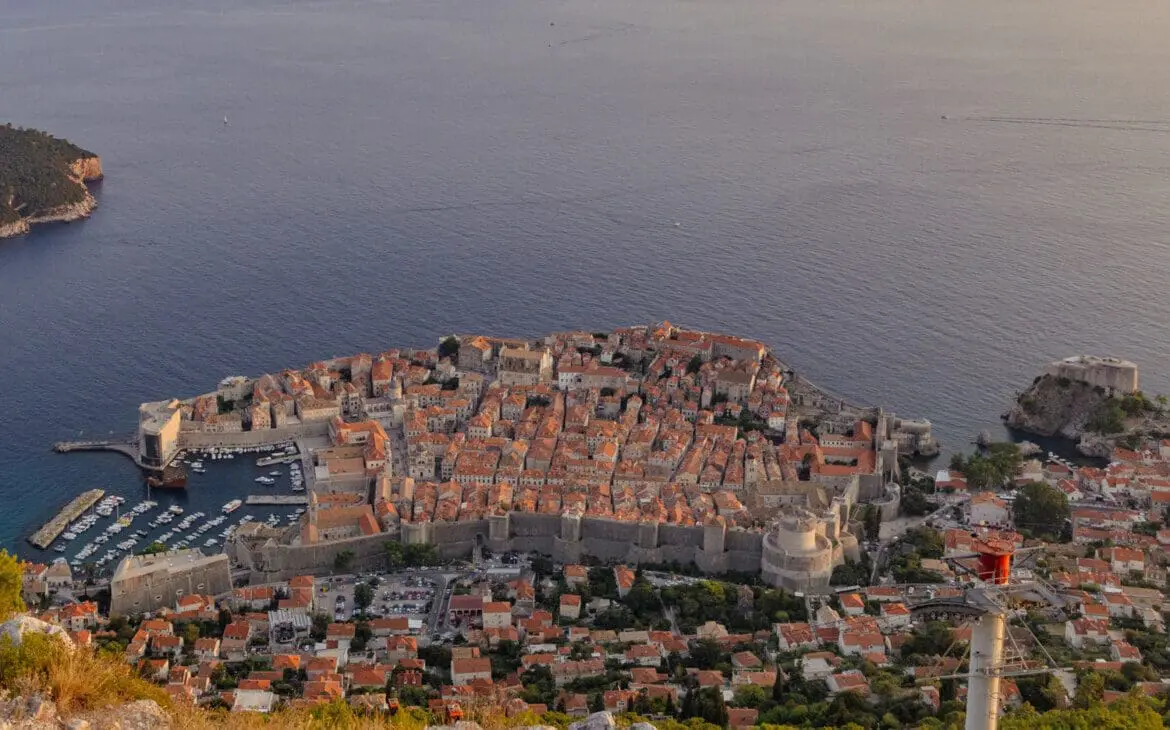
If you hate crowds, you’ll love Dubrovnik in winter. Usually, people visit Dubrovnik during summer, and the hordes of tourists are not for the weak. In winter, Dubrovnik’s famous Old Town is much quieter, so you can stroll along the ancient city walls and explore UNESCO-listed sites like Rector’s Palace, Sponza Palace, and Stradun without the summer crowds. If you’re visiting in winter, just make sure to check the opening hours of the landmarks, as they’re quite limited.
Go Skiing and Snowboarding
While Croatia is not popular for winter sports like Austria or Italy, there are a few places where you can still experience some winter wonders. If you’re in Zagreb, there’s Sljeme. It’s located on Mount Medvednica, just outside of Zagreb, so it’s a convenient spot for skiing, snowboarding, and sledding. It’s especially popular with families and beginners because it’s not that big and there aren’t various or multiple skiing trails.
If you’re exploring the country and can reach Gorski Kotar, you’ll have an even better time. This mountainous region offers excellent skiing opportunities in resorts like Celimbasa and Begovo Razdolje. It’s perfect for skiing, snowshoeing, or simply enjoying the snowy scenery.
Explore Plitvice Lakes in Winter
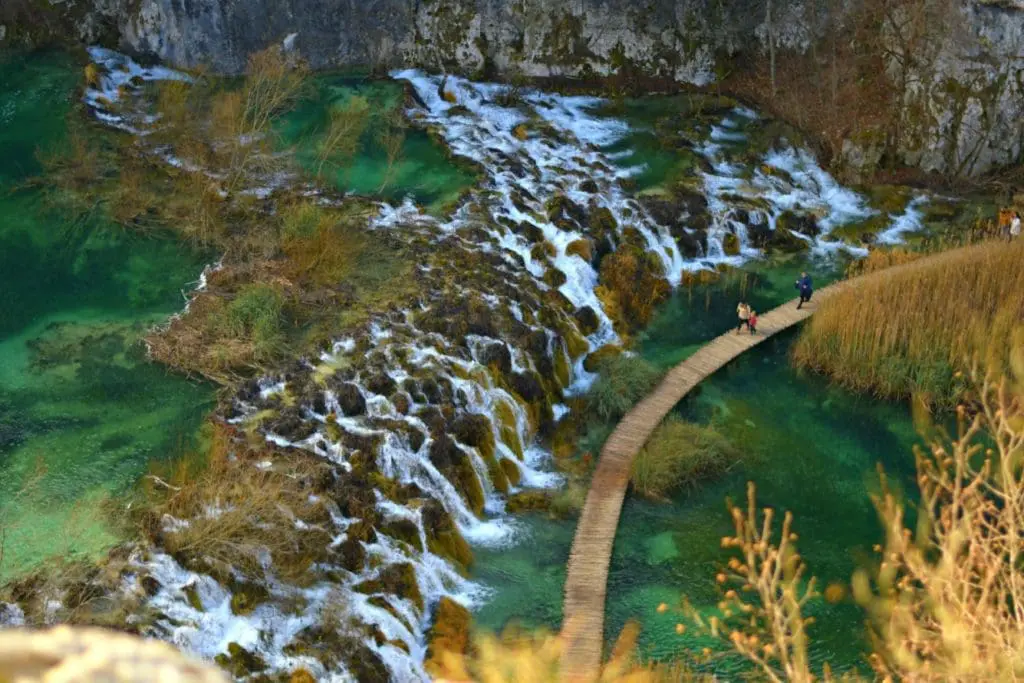
While Plitvice Lakes is a popular summer destination, visiting the national park in winter gives you a completely different and magical experience. If you’re visiting in the thick of winter, you’ll get to explore frozen waterfalls, ice-covered lakes, and snowy trails, which make the park look like a winter fairy tale. There are also much, much fewer tourists, so you’ll have the park almost to yourself. Keep in mind that some trails and boat services may be limited due to snow, but the experience will still be unforgettable and much cheaper than in summer.
Try some great Croatian cuisine
Winter is the perfect time to try as many local dishes as you’d like because you’ll need to warm up in restaurants anyway. Some great traditional Croatian dishes you can try (especially in winter) are sarma, pasticada, mulled wine, fritule, strukli, and cobanac. These are best found inland, so Zagreb or Slavonia and Baranja would be perfect for foodies.
Visit Castles and Museums
To occasionally escape the cold, it might be a good idea to check out some castles and museums in the region you’re visiting.
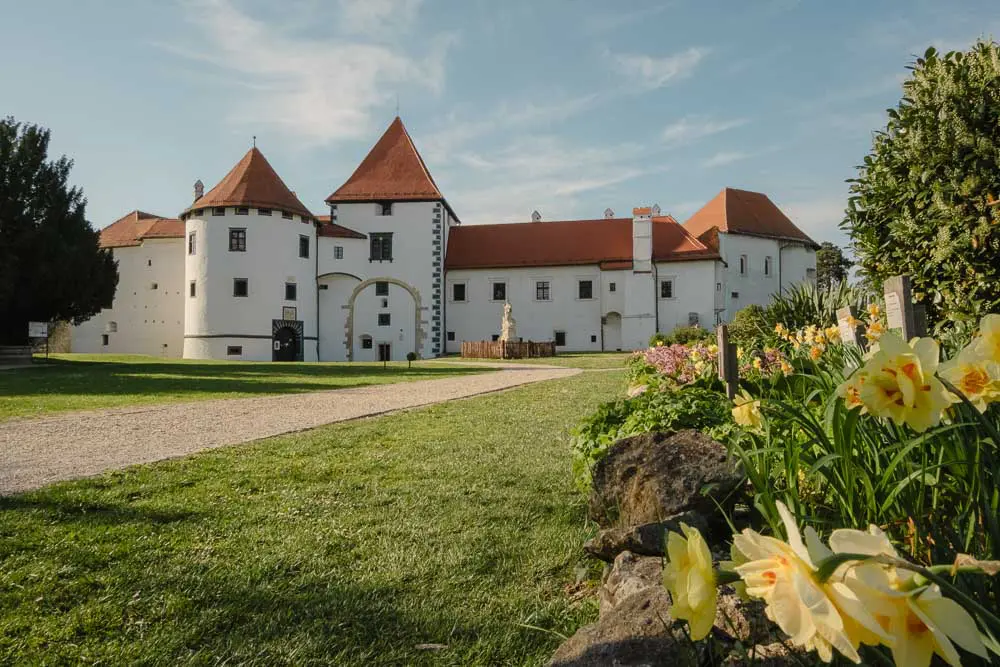
The two most visited castles in Croatia are Trakoscan Castle and Veliki Tabor. They’re both located in northern Croatia, and they look especially beautiful in winter, surrounded by snow. Inside, you can explore the museums and learn about Croatia’s noble families and local folklore.
When it comes to museums, you’ll find great ones in almost every city in Croatia. Most of them are in Zagreb, and some of the most popular ones are the Museum of Broken Relationships, the Mimara Museum, and the Zagreb City Museum. They’re perfect for exploring indoors on a cold day.
If you’re staying in Dalmatia, there are several museums in Split and Dubrovnik as well, such as the Split Archaeological Museum, the Split Ethnographic Museum, the Rector’s Palace in Dubrovnik, and the Red History Museum in Dubrovnik, among others!
Enjoy Spa and Wellness Retreats
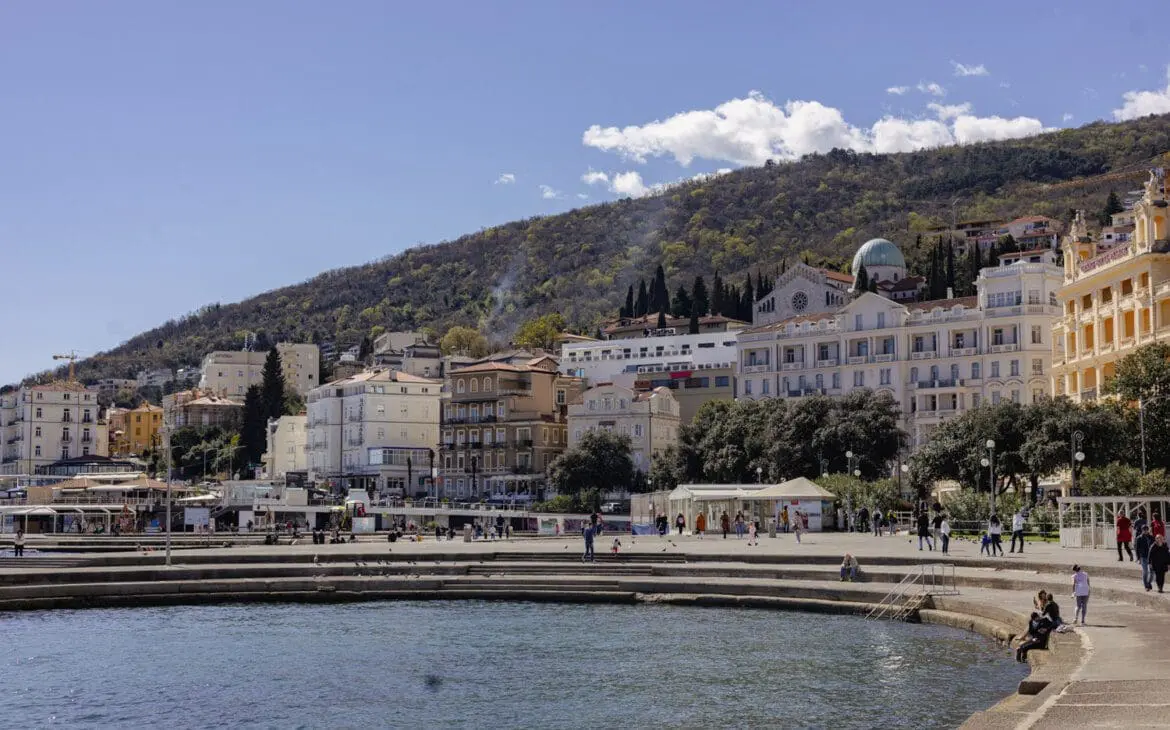
Winter is the perfect time to indulge in spa treatments, and there are several places you can check out in Croatia. Istria and the Kvarner region are popular for their thermal spas and wellness resorts, offering everything from hot springs to massages and luxurious wellness treatments. Opatija is the centre of wellness and spa hotels in that region! If you’re staying in Zagreb, Terme Tuhelj and Terme Sveti Martin are fairly close, and they’re ideal for relaxation during the colder months.
Explore Istria and its Wine Routes
Finally, you can explore Istria, which is home to excellent wine and olive oil. Winter is a great time to visit local wineries and sample Istrian truffles. You’ll keep warm, and the great wine will make you even warmer! Towns like Rovinj, Motovun, and Pula, which are crowded during summer, are perfect for visiting in winter when the majority of tourists are just locals. We absolutely adore visiting Istria in winter because you can still experience the coast, but Istria has so many things to offer that you’re really not bothered by the fact that you can’t go swimming.
BEST CITIES TO VISIT IN CROATIA IN WINTER
Zagreb
Zagreb is the best city to visit if you’re coming to Croatia in winter. Croatia’s capital is lively in winter, especially because it has one of the best Christmas markets in Europe. There are tons of Christmas decorations, outdoor ice skating, and stalls selling mulled wine, traditional food, and handmade crafts. There are also various museums and events you can visit in the city. Here are the 20 best things to do in Zagreb!
Dubrovnik
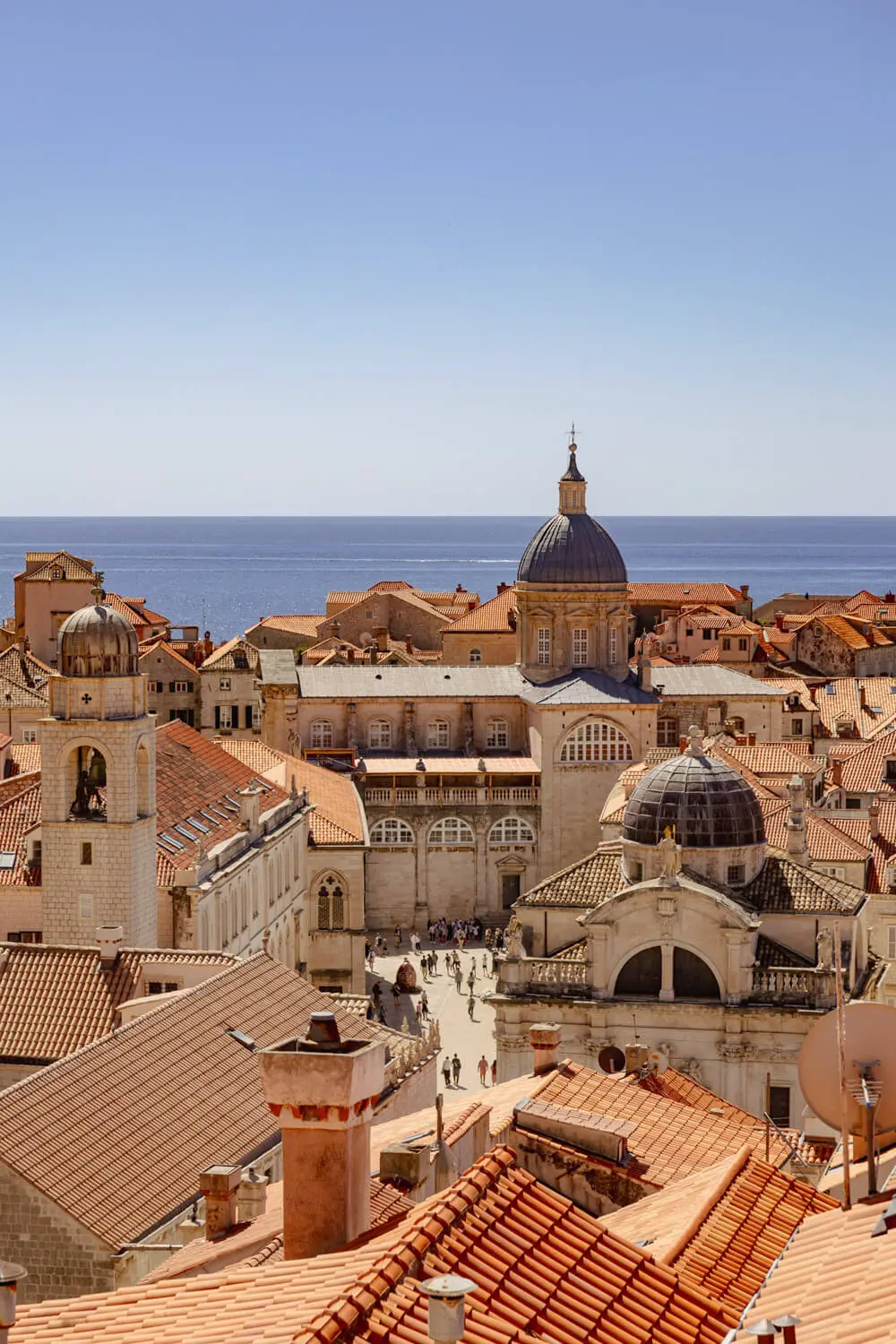
Croatia’s most popular town is definitely Dubrovnik, and it can be a good place to visit in winter. Dubrovnik is known for its medieval walls and stunning architecture, and it will be much easier and more enjoyable to explore the Old Town during winter without the crowds. Dubrovnik is also often very sunny even in winter, so you might have a really nice day even though it’s winter. Keep in mind that rain and wind can be frequent in Dalmatia, so the sun cannot be guaranteed.
Split
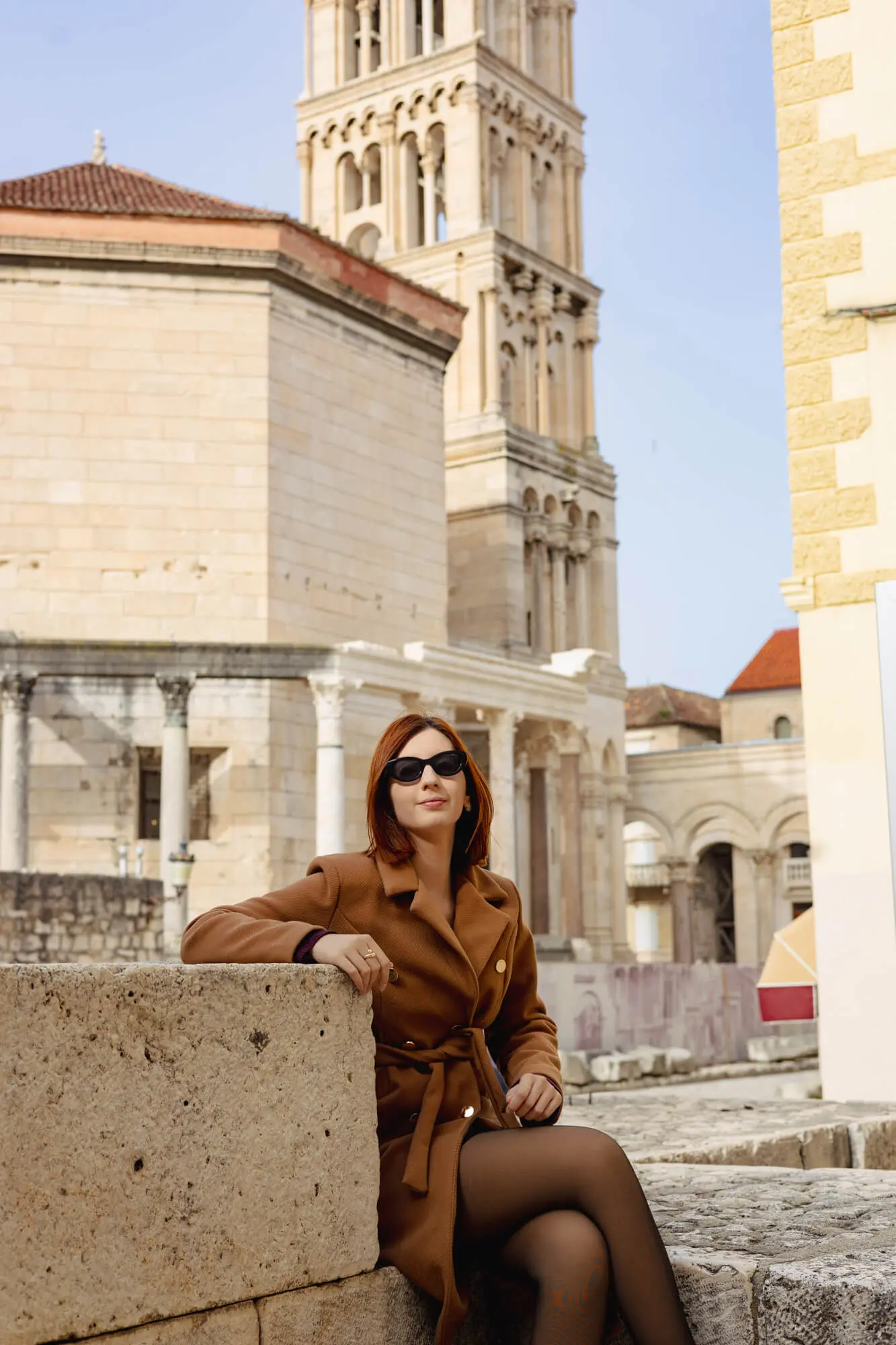
Split is the second biggest city in Croatia, so even during winter there are plenty of locals enjoying mild weather and fewer tourists. If you don’t mind the chillier than usual weather, this is the perfect time to explore the old town of Split, particularly Diocletian’s Palace. Rarely will you ever find Split as empty as it is in winter, so make sure you use that to your advantage. On top of the usual attractions, make sure you check out Split’s Christmas market.
Zadar
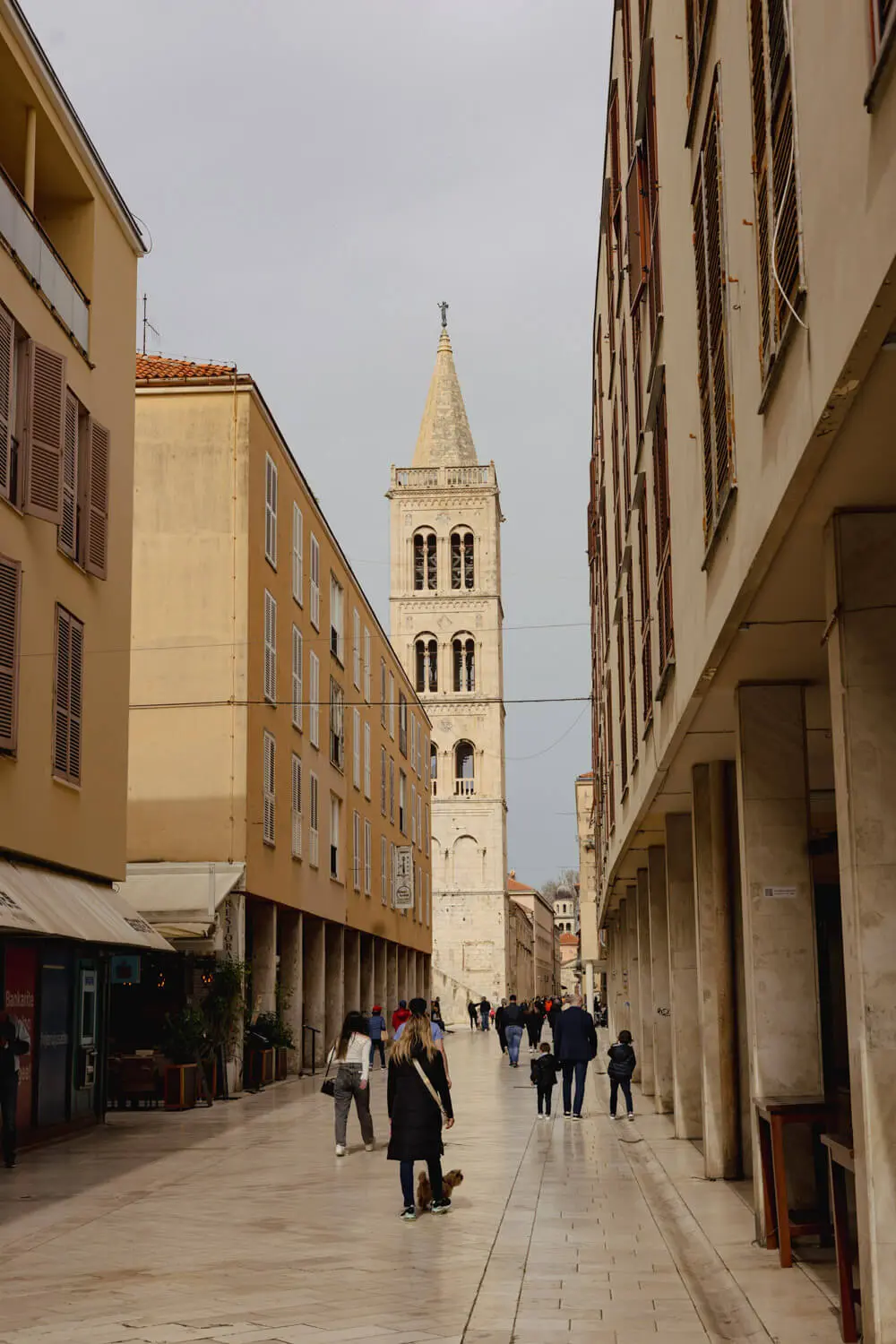
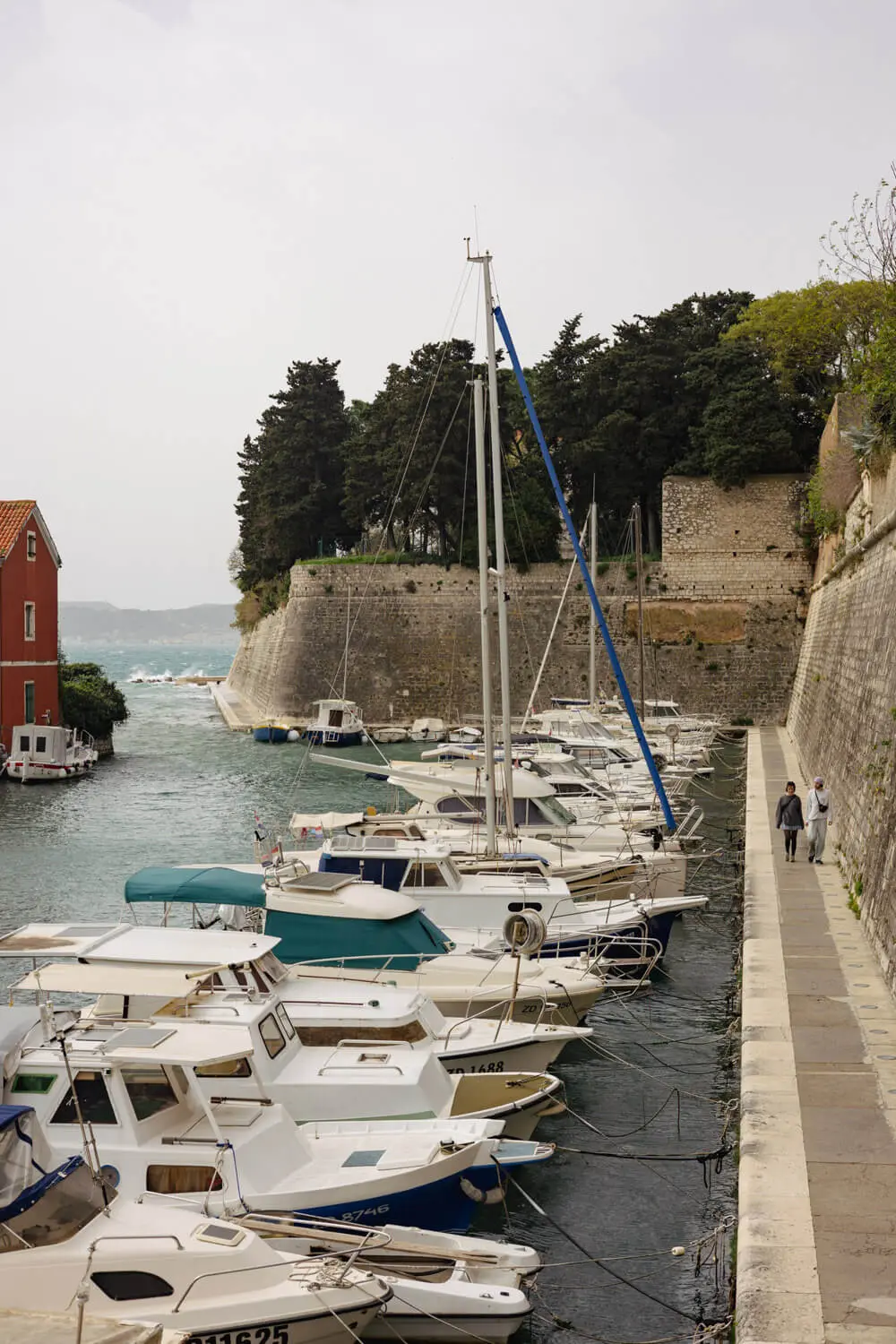
Zadar is another lovely coastal town which would be great to visit during winter. This city is home to both historical and modern attractions, and while it’s crowded in summer, it’s almost completely quiet and relaxed in winter. You can visit the famous Sea Organ and Sun Salutation with barely any people, and wander through the Zadar’s Old Town without the summer crowds.
Osijek
For a different experience in eastern Croatia, visit Osijek in the Slavonia region. Osijek is known for its baroque architecture and for its relaxed and authentic atmosphere. This town is less visited than most other Croatian towns, but it’s worthy of a visit in both summer and winter. Osijek has a gorgeous Old Town “Tvrdja” and has a charming promenade along the river Drava, which you must visit. If you decide to visit in winter, you can enjoy the gorgeous Christmas market they have each year, as well as some incredible winter Slavonian food such as kulen or cobanac!

FAQ ABOUT CROATIA IN WINTER
WHAT’S THE WARMEST PLACE IN CROATIA IN WINTER?
Croatia is not an all-year-round warm country. The warmest place in Croatia during winter is typically along the southern Dalmatian coast, particularly in Dubrovnik. This region has a Mediterranean climate, which makes the winters there mild compared to the colder inland areas. In Dubrovnik, the average winter temperature ranges from 10°C to 15°C (50°F to 59°F), although it can get cooler at night.
Other warmer destinations in southern Croatia during winter include Split and the islands of Hvar and Korcula, which experience similar mild weather. None of these places are beach weather warm, but they offer pleasant conditions for sightseeing and outdoor activities in winter.

CAN YOU SWIM IN CROATIA IN WINTER?
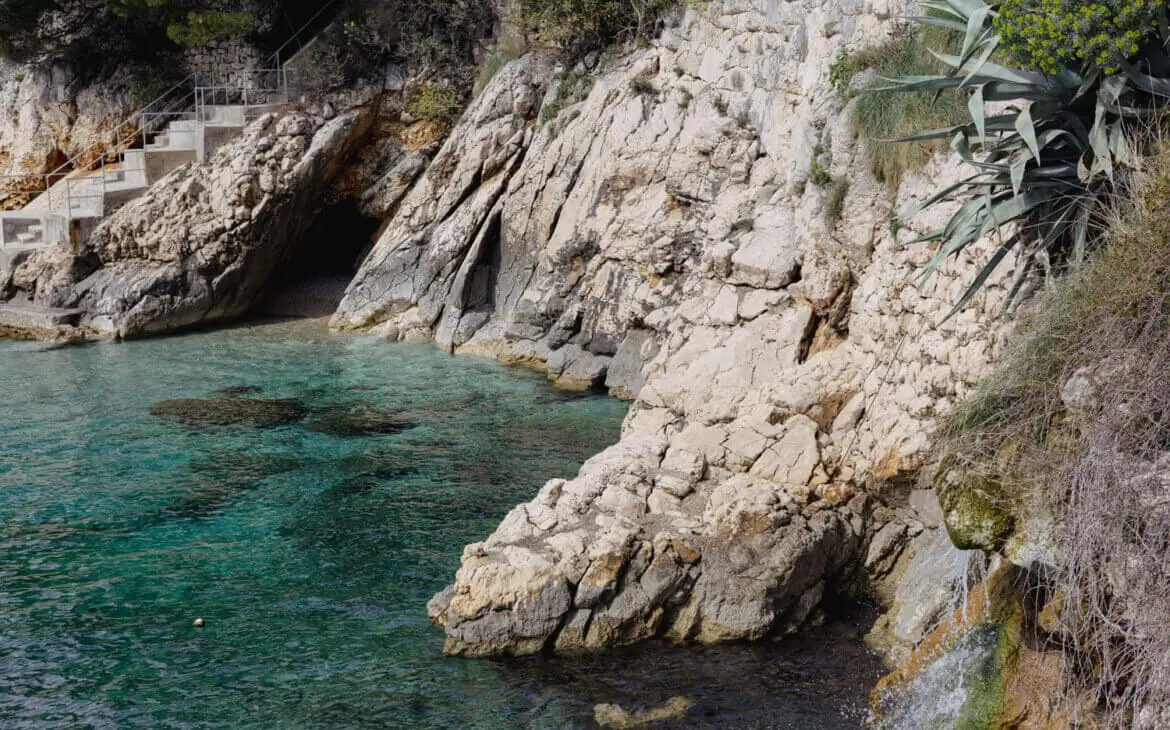
Swimming in Croatia during winter is generally not recommended because of the low water temperatures. While Dalmatia might have milder weather than the rest of the country, the Adriatic Sea’s temperature drops significantly in winter and it’s not appropriate for swimming.
In the coldest months (December to February), the sea temperature along the Croatian coast ranges from 12°C to 15°C (54°F to 59°F). These temperatures are quite chilly for most swimmers and are not suitable for casual swimming. However, if you’re used to cold temperatures and still want to have a short swim, be cautious not to stay in the water too long due to the risk of hypothermia.
ARE BUSINESSES OPEN IN CROATIA IN WINTER?
It really depends where you’re visiting and what are your expectations. If you’re visiting some of the bigger cities such as Zagreb, Split, or Osijek, there are loads of restaurants, bars, museums, and shops open because a lot of Croatians live there all throughout the year.
If you’re visiting some of the smaller coastal towns or islands, the open businesses might be limited but there are still some open for the locals who live there. The majority of seasonal businesses such as tours, boat rentals, and certain attractions will be closed due to the lack of tourists and because of the weather.
CONCLUSION: IS CROATIA IN WINTER FOR YOU?
Croatia in winter can be a lovely experience, but it really depends on what you’re looking for. If you want to enjoy the beaches, go on boat trips, and explore the coast in the sunshine, summer is definitely a better choice. However, if you prefer fewer crowds, lower prices, Christmas markets, good food, and exploring historic towns without the summer rush, winter might be just what you need. I personally still prefer Croatia in summer, but I absolutely love visiting places like Zagreb, Istria, and Slavonia during the colder months. If you’ve already explored Croatia in summer, I’d definitely consider giving winter a chance!
Helpful resources for planning your Croatia trip 🇭🇷
• Find your accommodation on Booking.com, Expedia.com or Hotels.com, depending on your budget and preferences
• Rent your car with DiscoverCars
• Buy your ferry tickets at Jadrolinija, TP Line, or Krilo
• Find your public transport options on Omio
• Get your e-Sim from SimLocal
• Grab your tours and entrance tickets at GetYourGuide, Viator, or Tiqets


Split looks like such a beautiful city. Awesome pictures. Thank you for sharing!