A BRIEF HISTORY OF CROATIA: EVERYTHING YOU NEED TO KNOW FROM PREHISTORY TO INDEPENDENCE
Coming to Croatia and want to know a bit more about the country’s past before your trip? Here’s a brief history of Croatia to give you some context on the most important historical events and help you understand the country a little better before you arrive!
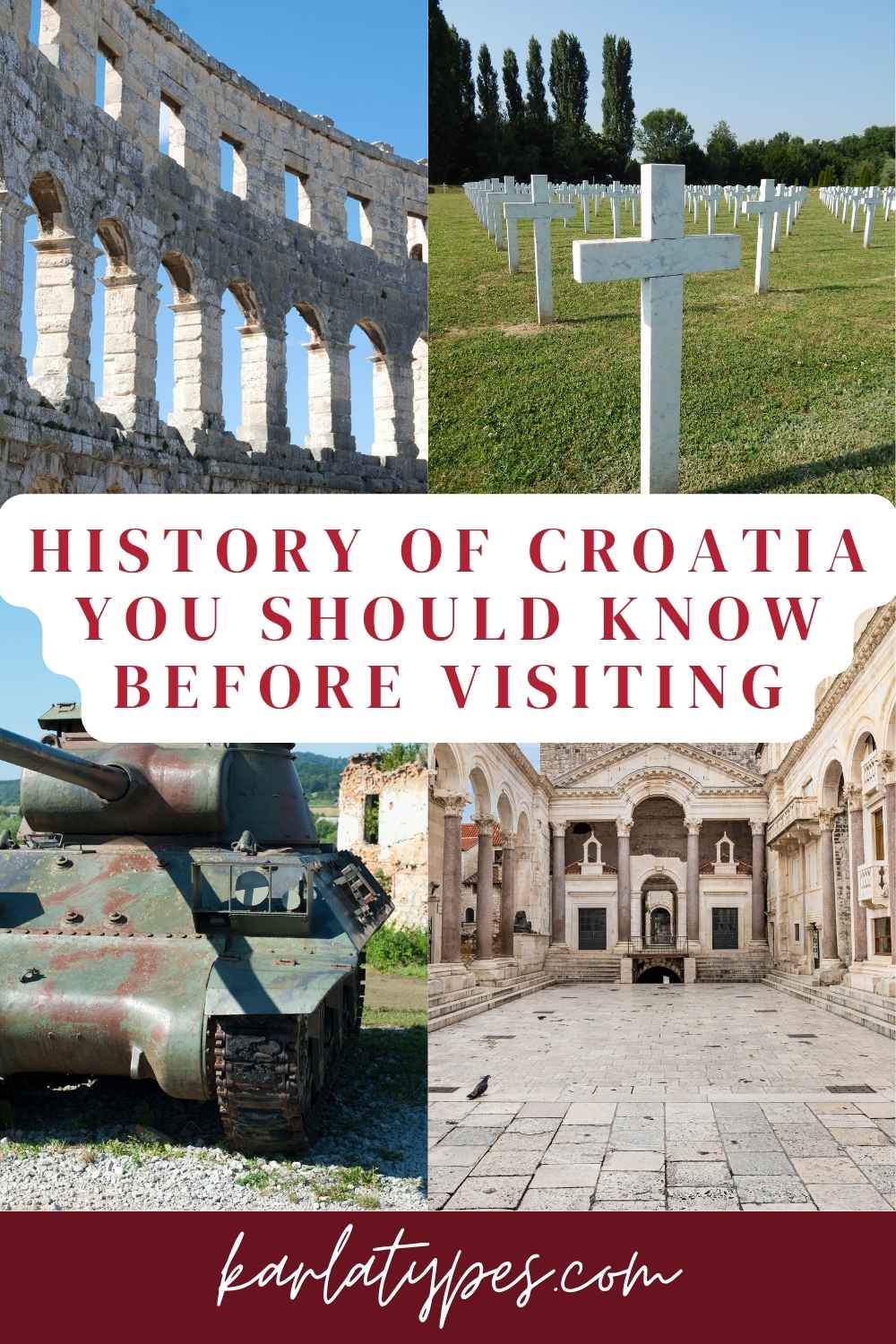
Croatia is known today for its beautiful Adriatic coast, historic cities, stunning islands, and national parks. However, there is much more to Croatian history than medieval towns and Roman ruins. Croatia has been influenced by many different civilizations and empires throughout history.
If you’re planning a trip to Croatia, knowing a little bit about its history will make visiting the country even more interesting. You’ll find Roman ruins in Split, Venetian architecture along the coast, Austro-Hungarian buildings in Zagreb and Osijek, fortresses all across the country, and monuments connected to the more recent Croatian War of Independence.
I’ve asked one of my closest friends, who happens to be a historian with a master’s degree in history, to help me with this one. There’s obviously a lot to cover when it comes to Croatia’s history, but we’ll try to keep it simple and focus on the most important things you should know before your trip.
PREHISTORY AND ANCIENT CROATIA
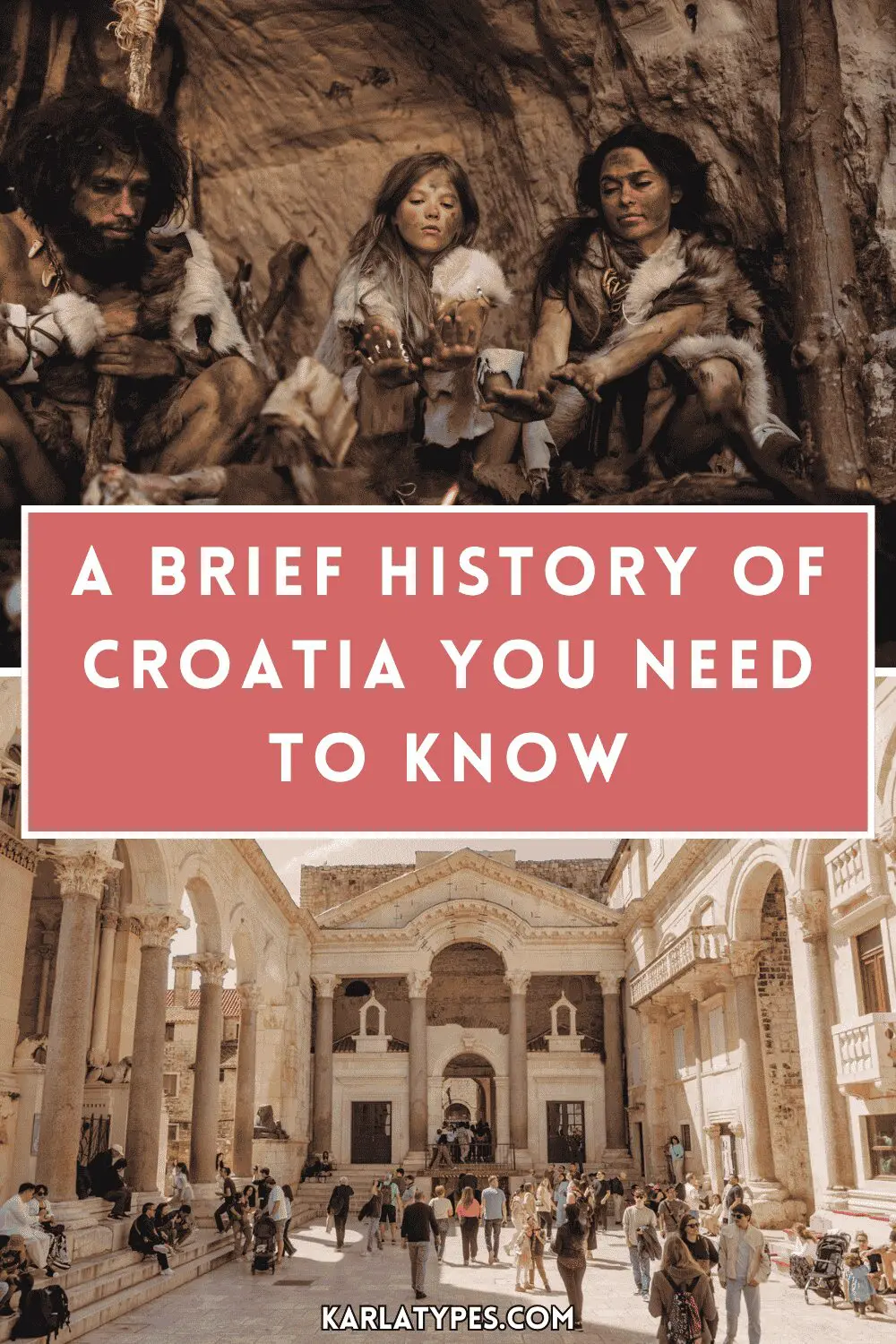
People have lived in the area of modern-day Croatia for thousands of years. One of the most important prehistoric archaeological sites is Krapina, where scientists discovered the remains of Neanderthals that lived here more than 100,000 years ago. This is site you can easily visit if you have a few days in Zagreb, since it’s quite close by car!
Later, different tribes inhabited the region. During the Iron Age, much of the territory was inhabited by Illyrian tribes, while Greek settlers established colonies along the Adriatic coast. Some of these ancient settlements can still be visited today and they’re most likely already in your itinerary. For example, the Greek colony of Issa was established on the island of Vis, while Pharos was founded on Hvar.
The Romans eventually conquered the area, and Croatia became a part of the Roman Empire. The Roman province of Dalmatia became an important part of the empire, and cities, roads, ports were constructed throughout the region. One of the best examples is Salona, near modern-day Split, which became the capital of Roman Dalmatia. Another is Diocletian’s Palace in Split. Today, these Roman ruins are the most popular landmarks you’ll want to see in Croatia!

THE ARRIVAL OF THE CROATS
The Croatian story as we know it began during the 7th century, when Croats and other Slavic groups settled in this part of Europe.
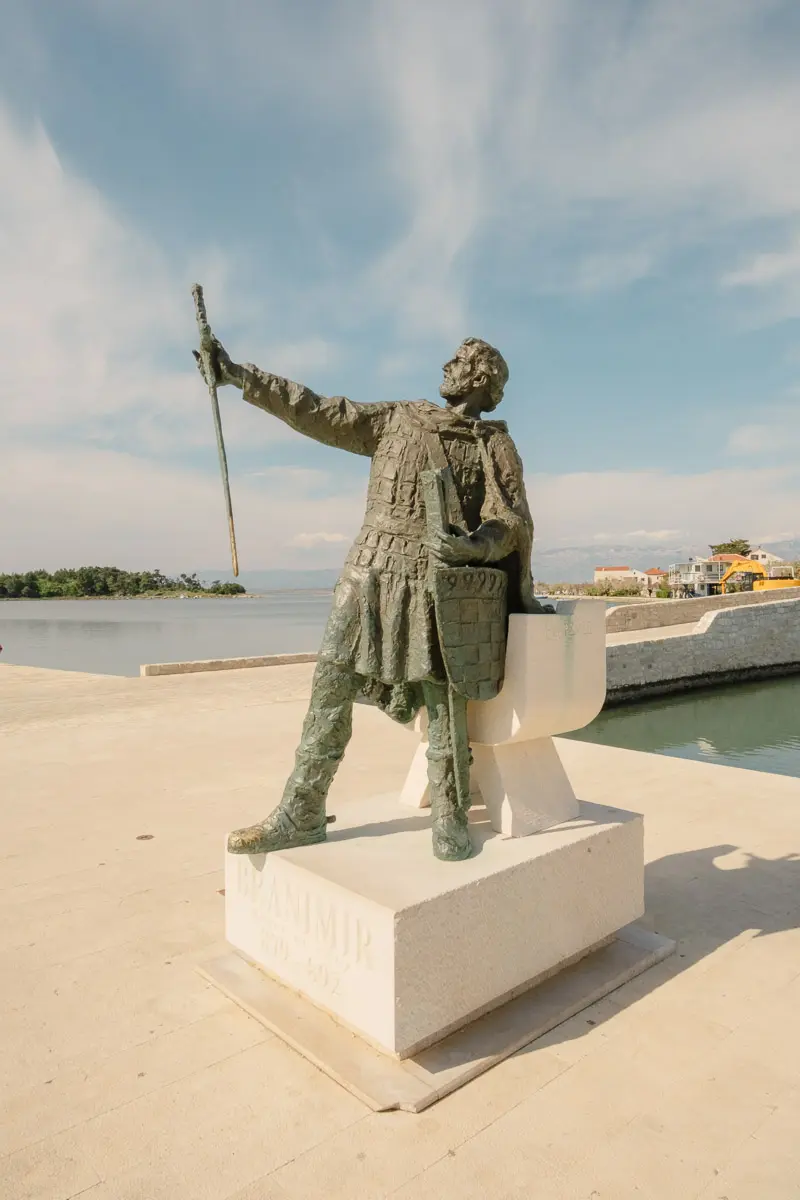
Over time, Croatian states developed, especially in the areas around the Adriatic coast and its surrounding areas. Croatia was not immediately a kingdom. The early rulers were actually known as dukes. One of the most important early rulers was Duke Trpimir I, who ruled in the 9th century and gave his name to the Trpimirovic dynasty. Another important ruler was Duke Branimir, whose rule received recognition from Pope John VIII in 879. This is considered an important moment in the development of Croatia as an independent Christian state.
Croatia was becoming increasingly connected to the Christian world of Western and Central Europe, while maintaining strong links with the Adriatic and the Byzantine sphere.
THE KINGDOM OF CROATIA
Croatia became a kingdom in the 10th century. Tomislav is traditionally known as the first Croatian king, and he was crowned in 925. Under Tomislav, Croatia became one of the more powerful states in the region. The kingdom controlled large parts of present-day Croatia and had a strong army and navy.
The Croatian kingdom continued for almost two centuries, but after the death of King Zvonimir in 1089, a succession crisis weakened the country. Eventually, in 1102, Croatia entered into a personal union with the Kingdom of Hungary. This did not mean that Croatia simply disappeared. Croatia kept its own institutions, nobility, laws and political traditions, while the Croatian and Hungarian crowns were held by the same monarch.
CROATIA BETWEEN VENICE AND THE OTTOMAN EMPIRE
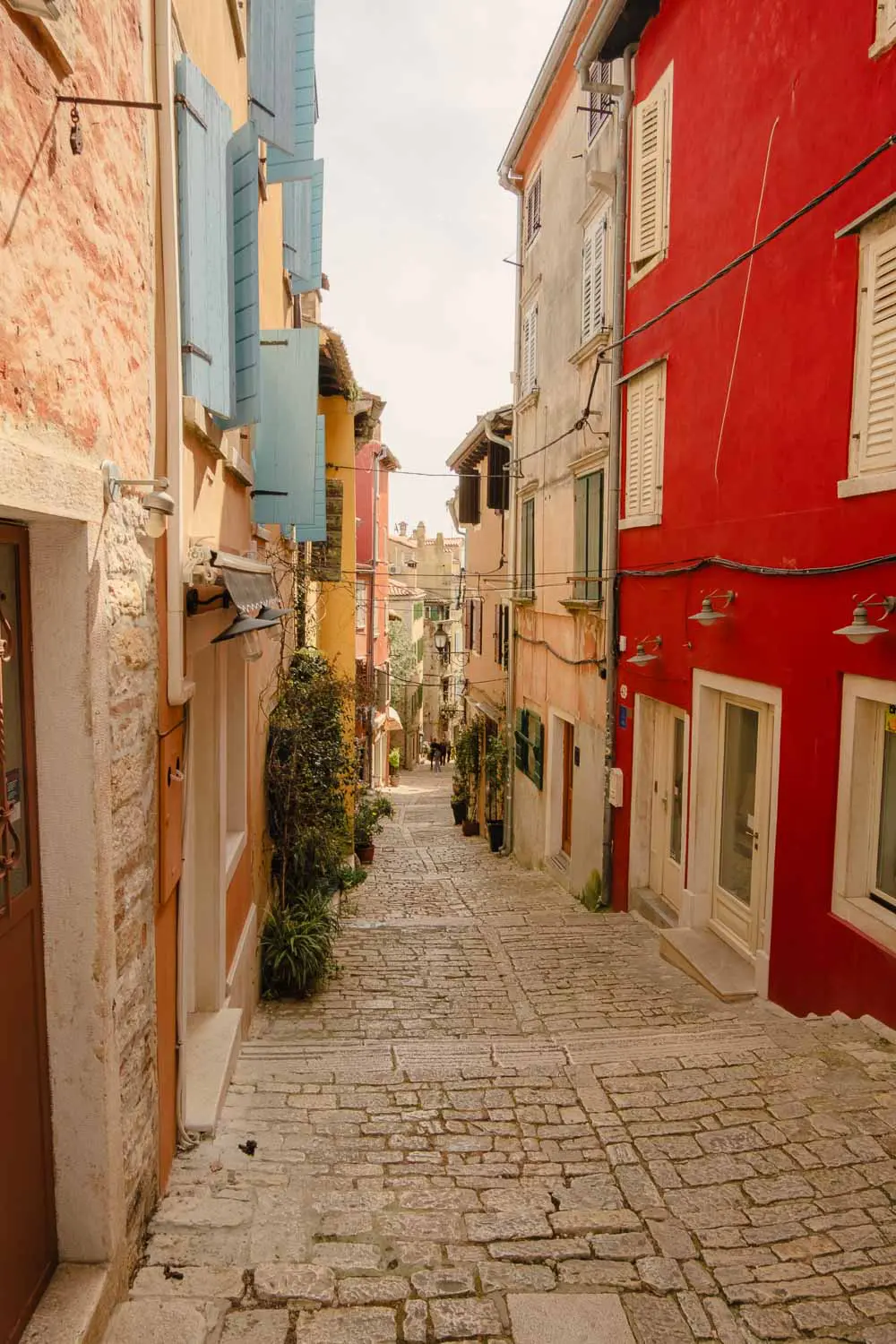
For centuries, Croatia found itself between several major powers. Along the Adriatic, the Republic of Venice became extremely influential. Venice controlled large parts of the Dalmatian coast and many islands for long periods. This is one reason why coastal Croatian towns have so much Venetian architecture (in Istria!) and Mediterranean character.
Further inland, Croatia faced a much more dangerous threat, and that was the expansion of the Ottoman Empire. From the 15th century onward, Ottoman armies conquered large areas of southeastern Europe, including significant parts of Croatian territory. The Croatian lands became one of the major defensive areas between the Ottoman Empire and Central Europe.
THE HABSBURGS AND AUSTRIA-HUNGARY
After the Ottoman victory at the Battle of Mohács in 1526 created a major succession crisis, the Croatian Parliament elected Ferdinand of Habsburg as King of Croatia. From this point, Croatia became closely connected to the Habsburg Monarchy, although Croatian territories remained politically divided.
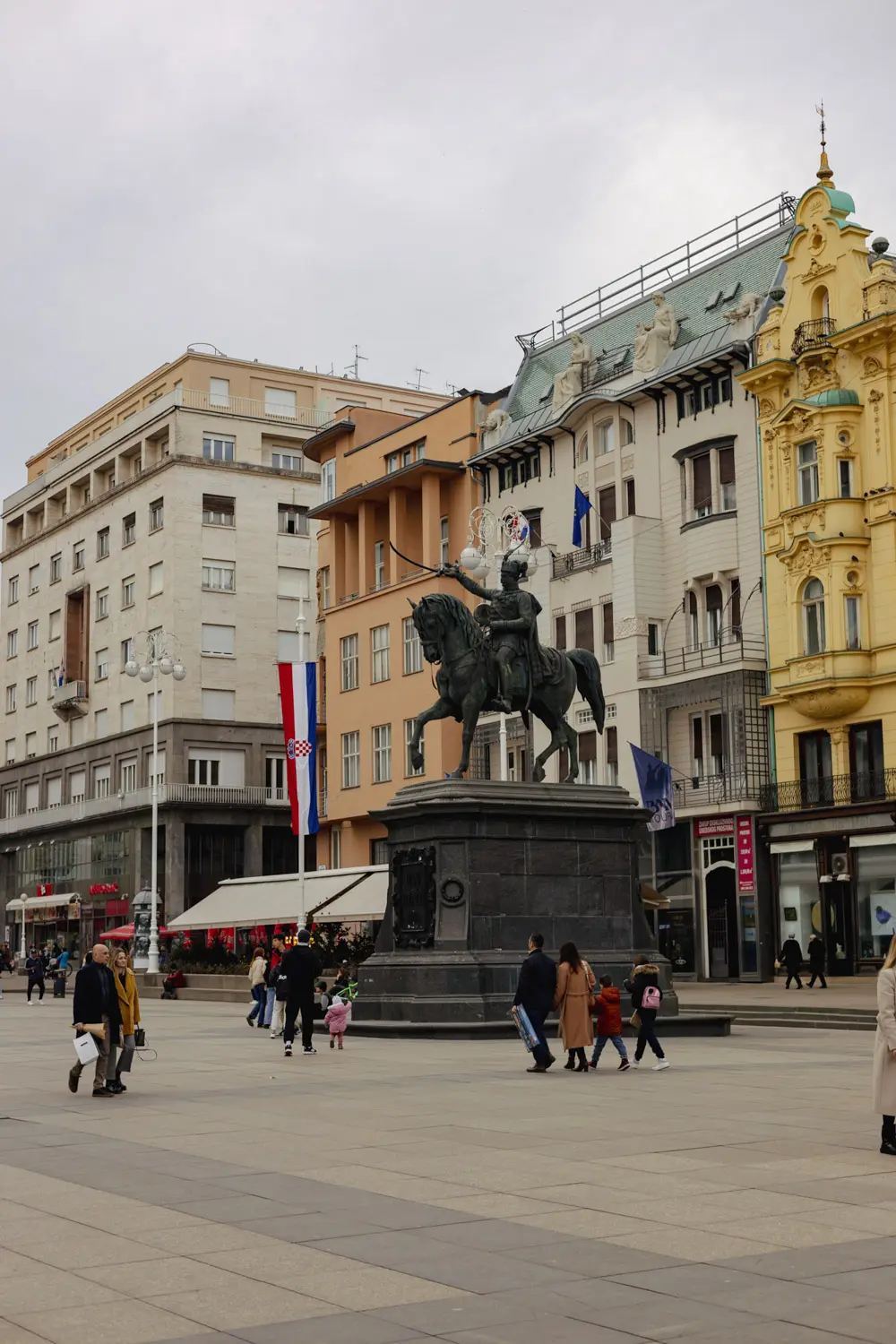
The 19th century was really important for Croatian national identity. Across Europe, national movements were becoming stronger, and Croatia was no exception. The Illyrian Movement promoted the Croatian language, literature and culture and helped create a stronger sense of Croatian national identity. Ban Josip Jelacic, (the man on Zagreb’s main square!), became an important political and military leader during the revolutions of 1848.
After the Austro-Hungarian Compromise of 1867, Croatia became part of the Hungarian half of the Austro-Hungarian Empire. The Croatian-Hungarian Settlement of 1868 also gave Croatia a limited degree of autonomy. This was also a period of modernization so cities expanded, railways were built, industry developed, and new schools and cultural institutions appeared!
CROATIA IN THE 20th CENTURY
The end of World War I brought another major change. Austria-Hungary collapsed in 1918, and Croatia became part of the newly created Kingdom of Serbs, Croats and Slovenes, which was later renamed Yugoslavia. The new state was politically complicated, and tensions between different national groups continued throughout the following decades.
During World War II, Yugoslavia was invaded by the Axis powers in 1941. The Independent State of Croatia (NDH) was established under the leadership of the Ustase and closely aligned with the Axis powers. Its regime carried out persecution and killings of political opponents. At the same time, the Partisan resistance movement, led by Josip Broz Tito, fought against the Axis occupation and eventually won.
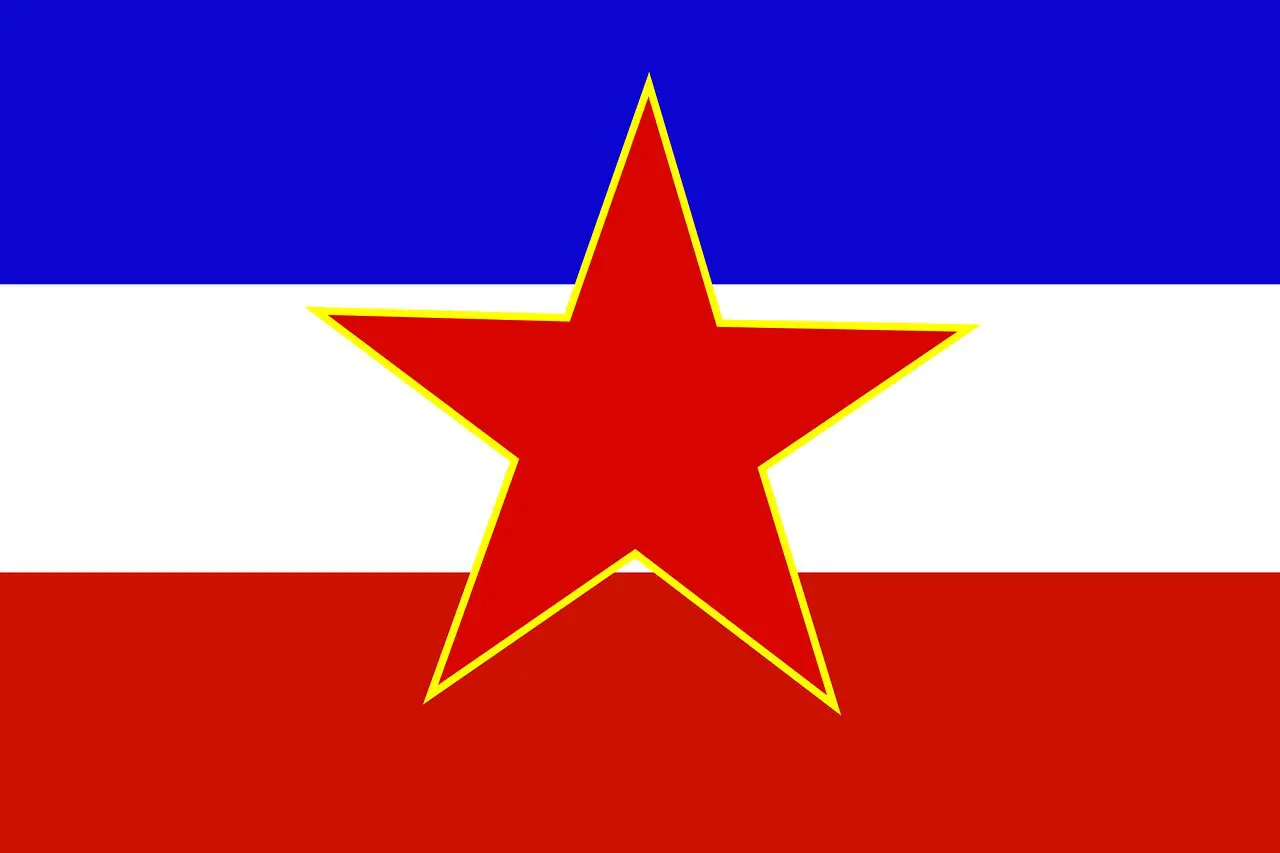
After the war, Croatia became one of the six republics of socialist Yugoslavia. The end of the war, however, did not mean an end to political violence. After the Partisans took power, the new communist authorities carried out reprisals and executions against people considered political opponents or collaborators. Supporters of greater Croatian political autonomy and independence were particularly closely watched and, in later decades, many were imprisoned or forced into exile.
The post-war period brought major industrialization and modernization. Croatia also became an important tourist destination, particularly along the Adriatic coast. However, political tensions remained. One of the most important moments was the Croatian Spring of 1971, a movement that called for greater Croatian political and economic rights and was eventually suppressed by the Yugoslav leadership. Many of its supporters were dismissed from their jobs, imprisoned, or otherwise persecuted, and the movement marked one of the clearest examples of the limits placed on Croatian national and political aspirations within socialist Yugoslavia.
CROATIA BECOMES INDEPENDENT
When communism began collapsing across Europe in the late 1980s and early 1990s, Yugoslavia also began falling apart. Croatia held its first multi-party elections in 1990, and on 25 June 1991, it declared independence. The decision was followed by a violent war that would shape modern Croatia. The Croatian War of Independence, also known as the Homeland War, lasted from 1991 to 1995. Croatian forces fought against the Yugoslav People’s Army and Serb forces who wanted to keep parts of Croatia under their control.
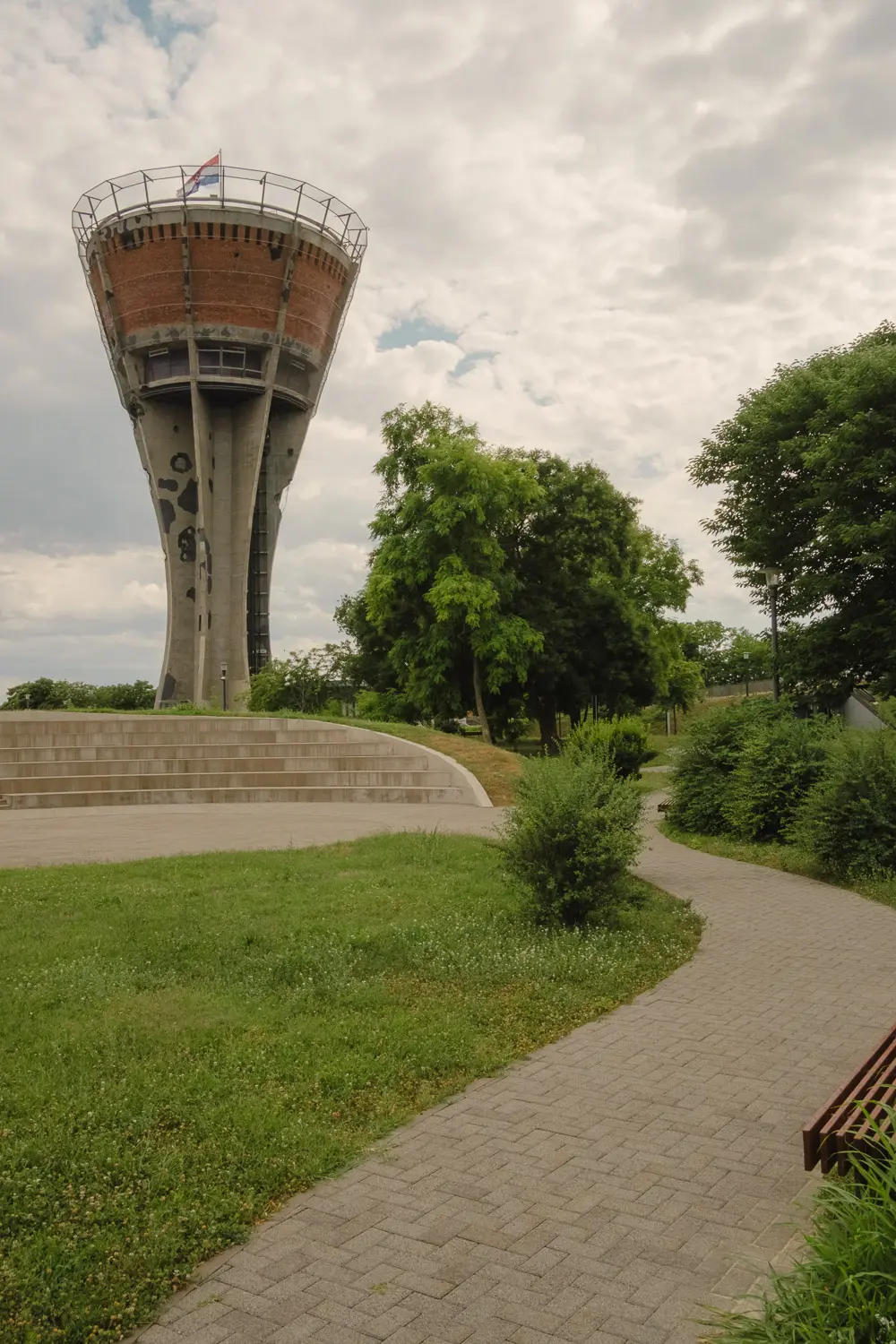
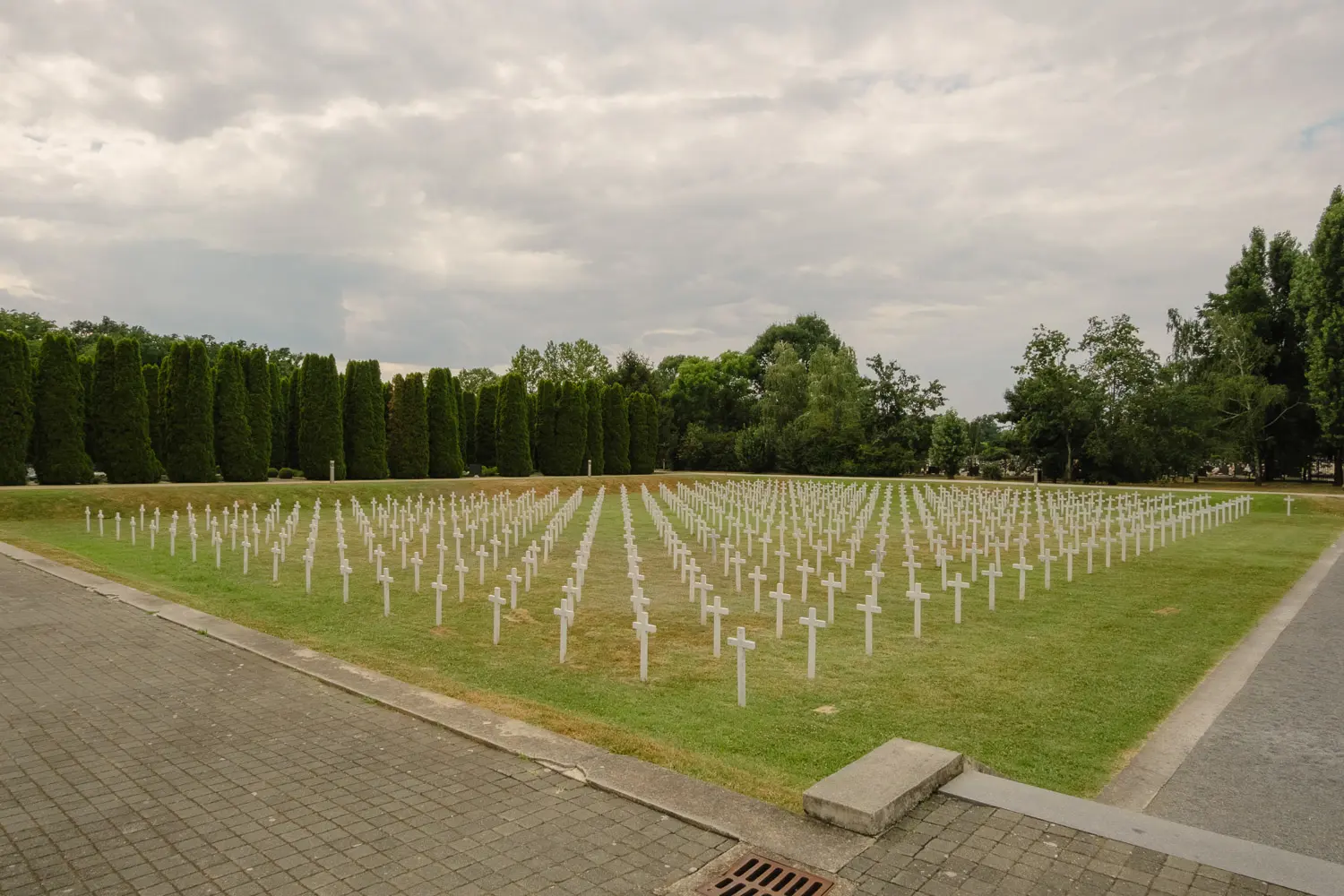
The war brought enormous suffering to the Croatian population. Many cities and villages were destroyed, hundreds of thousands of people were forced to leave their homes, and many civilians were killed or wounded. Some of the worst destruction took place in Vukovar, which was besieged for almost three months in 1991. After the city fell, it was almost completely devastated, and many of its inhabitants were killed, imprisoned, or forced to flee.
The historic city of Dubrovnik was also shelled in 1991. Images of its historic Old Town under attack shocked the international community and became some of the most recognizable images of the war. The war also left behind a large number of missing persons, destroyed homes and infrastructure, and communities that would need years to recover.
By the end of 1995, following major Croatian military operations, most of the occupied Croatian territory had been returned to Croatian control. The remaining occupied area of eastern Croatia was peacefully reintegrated into Croatia in 1998. For Croatia, independence came at a very high human cost. The scars of the war can still be seen and felt today, particularly in places such as Vukovar, where memorials and reminders of the conflict have become an important part of the country’s modern history.
CONCLUSION: HISTORY OF CROATIA AND CROATIA TODAY
Today, Croatia is an independent European country and a member of NATO and the European Union. It joined the EU in 2013 and adopted the euro and joined the Schengen Area in 2023.
Travelling through Croatia is particularly interesting because of how visible its history still is. You can walk through a Roman emperor’s palace in Split, explore a medieval fortress, see Venetian architecture on the coast, admire Austro-Hungarian buildings in cities such as Zagreb and Osijek, and visit places connected to Croatia’s recent history.
So, while Croatia may be famous for its beaches and islands, the history of Croatia is one of the best reasons to come here and explore the country. Every region has a different story, and once you know a little bit about that story, the country becomes much more than just a beautiful holiday destination. Make sure you don’t just stick to the sea, but explore the area and learn more about the diverse history of Croatia!
Helpful resources for planning your Croatia trip 🇭🇷
• Find your accommodation on Booking.com, Expedia.com or Hotels.com, depending on your budget and preferences
• Rent your car with DiscoverCars
• Buy your ferry tickets at Jadrolinija, TP Line, or Krilo
• Find your public transport options on Omio
• Get your e-Sim from SimLocal
• Grab your tours and entrance tickets at GetYourGuide, Viator, or Tiqets


Love this quick history lesson my parents were born in Croatia Yugoslavia. My grandparents were born and raised in the Austria-Hungary part at that time just needed to read more.