LOCAL’S TAKE ON CROATIA IN SEPTEMBER: WEATHER, BEACHES, CROWDS & WHAT TO EXPECT
Karla Types, Croatia Travel Blog, contains affiliate links and is a member of the Amazon Services LLC Associates Program. If you use these links to buy something I may earn a commission at no additional cost to you. See my Disclosure Policy for more information. Thank you.
If you’re visiting Croatia in September, you might have questions about what Croatia in September is actually like, and whether you can still have a great summer holiday outside the peak summer season.
As a Croatia native who spends a lot of time on the coast every September, I’ve created this guide to answer all your questions. We’ll cover the weather, where you should actually go in September, what the islands are like, whether businesses are still open, what to pack, and so much more.
I’ll also give you an itinerary for the perfect September trip, exactly how I would do it. Keep reading if you’re visiting Croatia in September and want some really great tips from a local Croatian!

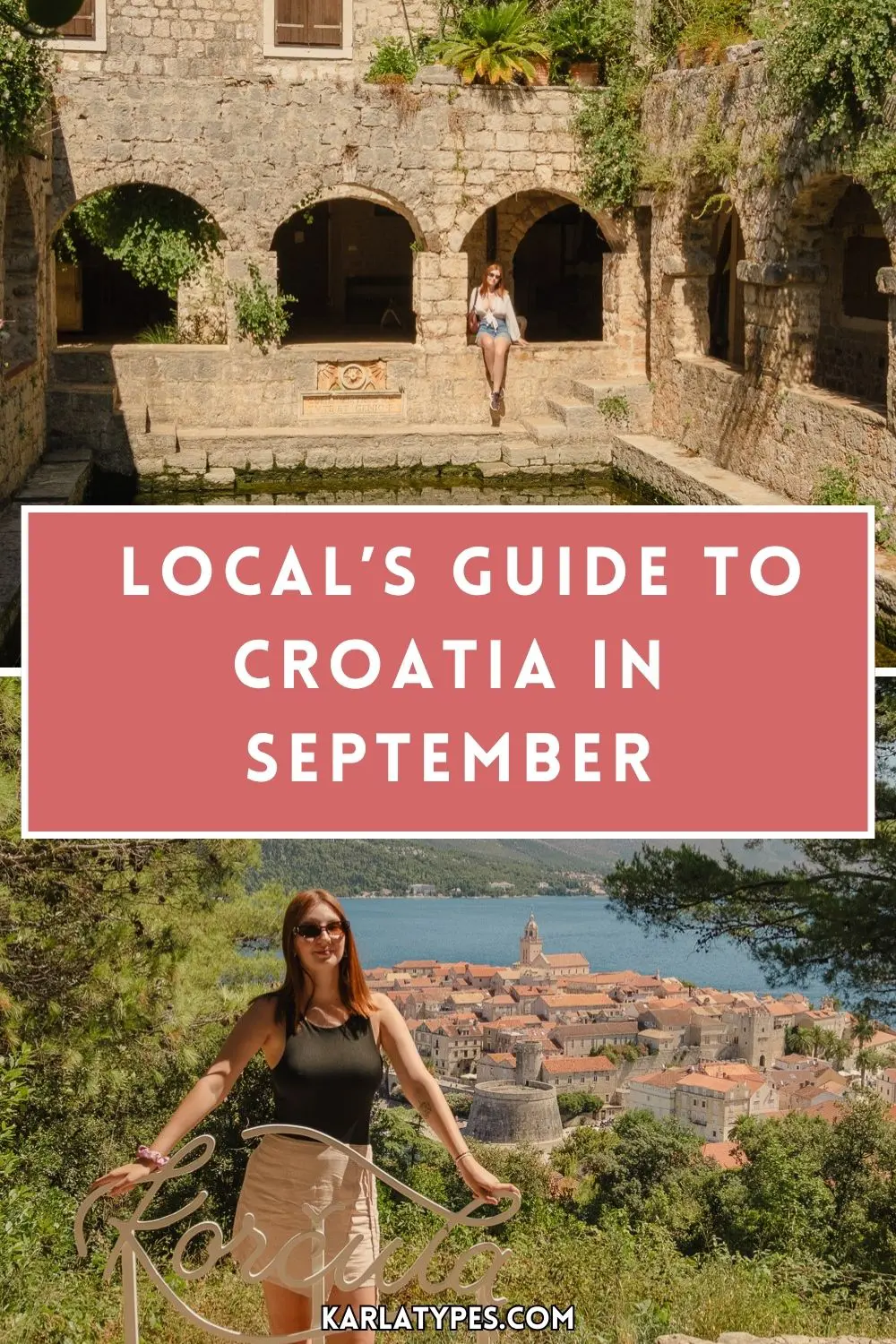
CROATIA IN SEPTEMBER AT A GLANCE
If you don’t have time to read the whole guide, make sure you save it for later, and just have a quick read of this Croatia in September overview, which can help you answer some of the most common questions. In short, I can tell you that the weather is mostly sunny and warm, the sea is still perfectly warm for swimming, and the crowds start to disappear from mid-September onwards.
Croatia in September at a glance 👀
Average coastal temperatures: 22–28°C
Sea temperature: roughly 23–25°C
Weather: warm, but changeable toward the end of the month
Swimming: yes you can swim, especially during the first half
Crowds: Lower than July/August, particularly from mid-September, but not empty
Prices: Generally lower than peak summer, but not necessarily cheap
Ferries: Frequent early in September, schedules reduce later in the month
Special season: grape/wine harvests all over Croatia
Best activities: sightseeing, beaches, hiking, national parks, road trips
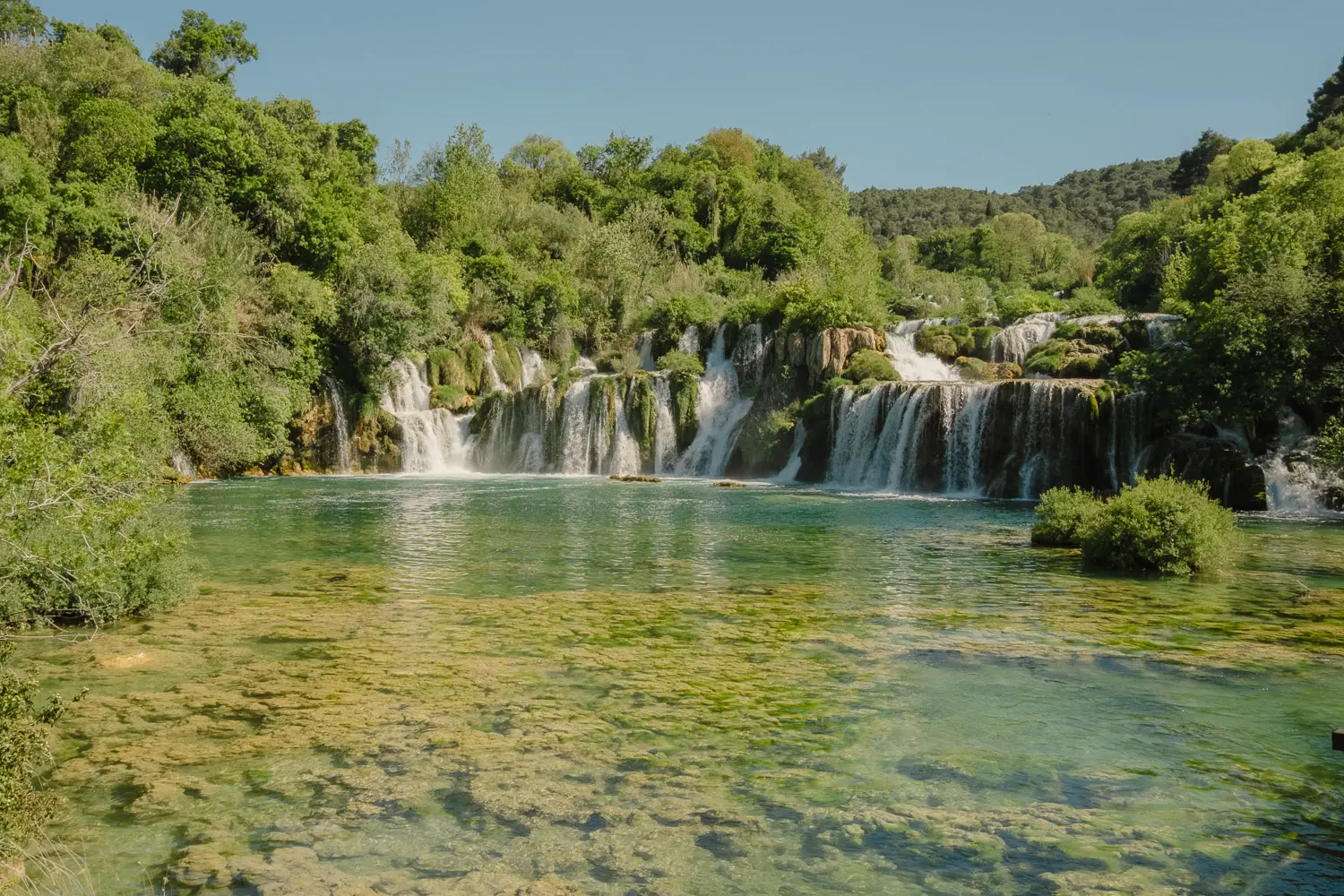
IS IT A GOOD TIME TO VISIT CROATIA IN SEPTEMBER?
As a local, I think September is one of the best times to visit Croatia. Most other locals agree, and we often joke that we shouldn’t be telling everyone how nice September actually is! Visitors, both local and international, seem to be turning toward September more and more. I do custom itinerary planning, and I actually have more plans booked for September than I had for July and August combined!
In September, the weather is great, the sea is still warm, and the crowds are smaller than in summer, especially toward the end of the month. You can visit popular destinations like Dubrovnik, Split, and Hvar in a much more enjoyable way, usually without the long lines and overcrowded streets you get in July and August.
Dubrovnik still gets quite a lot of visitors even in September, but when you see what it’s like then, you’ll honestly be wondering what the peak season actually looks like (terrifying)!
Another big plus is that prices for flights, accommodation, and tours often tend to be lower than during the peak summer months, so you can save some money as well. September has definitely turned into quite a strong tourist month here over the last few years, so I can’t promise that everything will be cheaper, but prices usually do tend to drop compared to July and August.
After spending many Septembers on the Croatian coast, I can say with confidence that September is a fantastic time to visit Croatia.
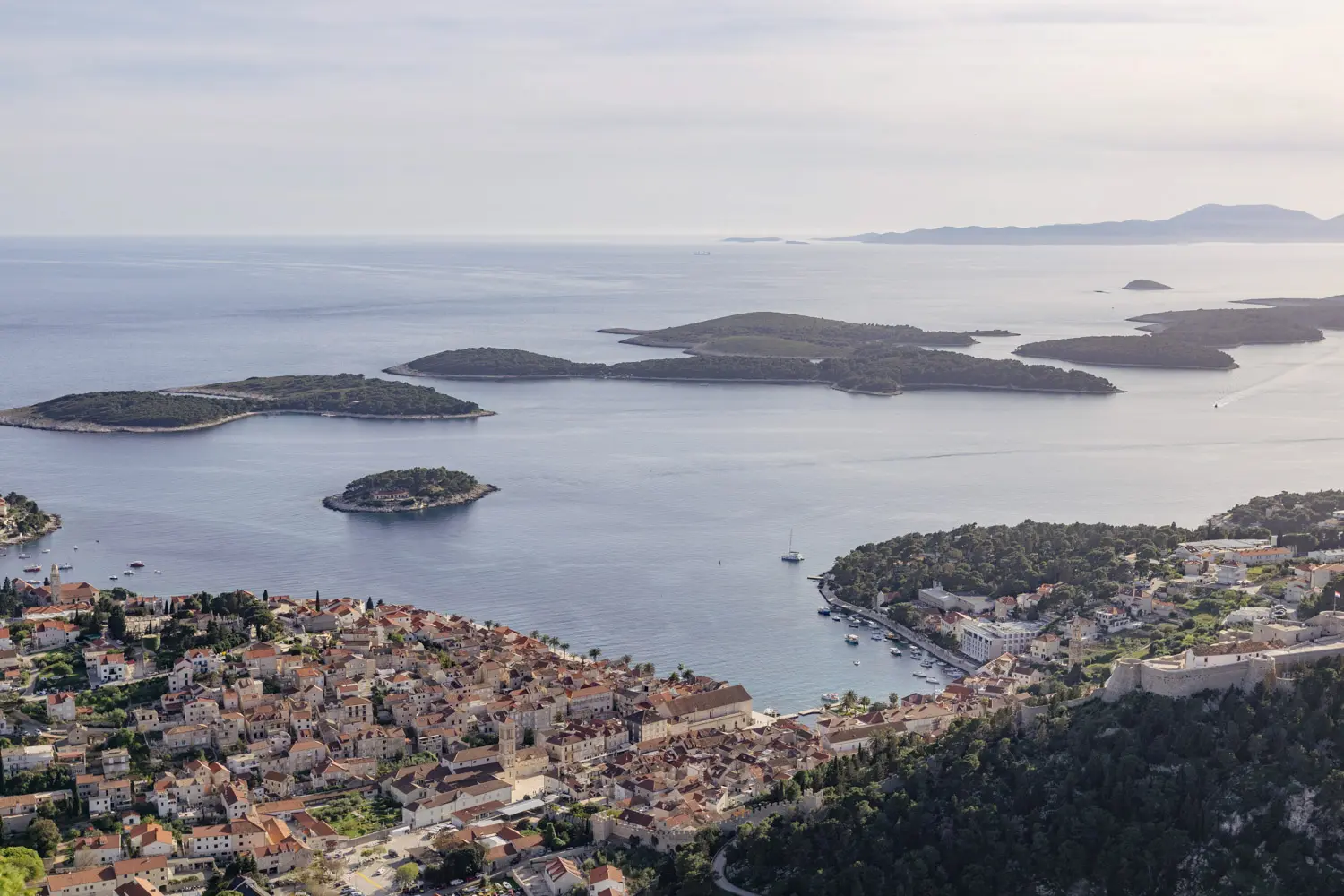

EARLY SEPTEMBER VS LATE SEPTEMBER IN CROATIA
Early and late September can offer quite a different experience, so it’s important to think about what kind of holiday you’d like and choose the time according to your preferences. Read through my comparison table for a quick overview of what early, mid, and late September are like in Croatia:
| Early September | Mid-September | Late September | |
| Weather | Very warm/hot | Warm | More variable but still warm |
| Sea | Excellent | Excellent | a bit cooler but still swimmable |
| Crowds | Moderate | Lower | Lowest |
| Prices | Still relatively high | Lower | Lowest |
| Ferries | Summer schedules | Mostly good | Reduced schedules |
| Best for | Beach holiday | Beach + sightseeing | Road trips, hiking, wine |
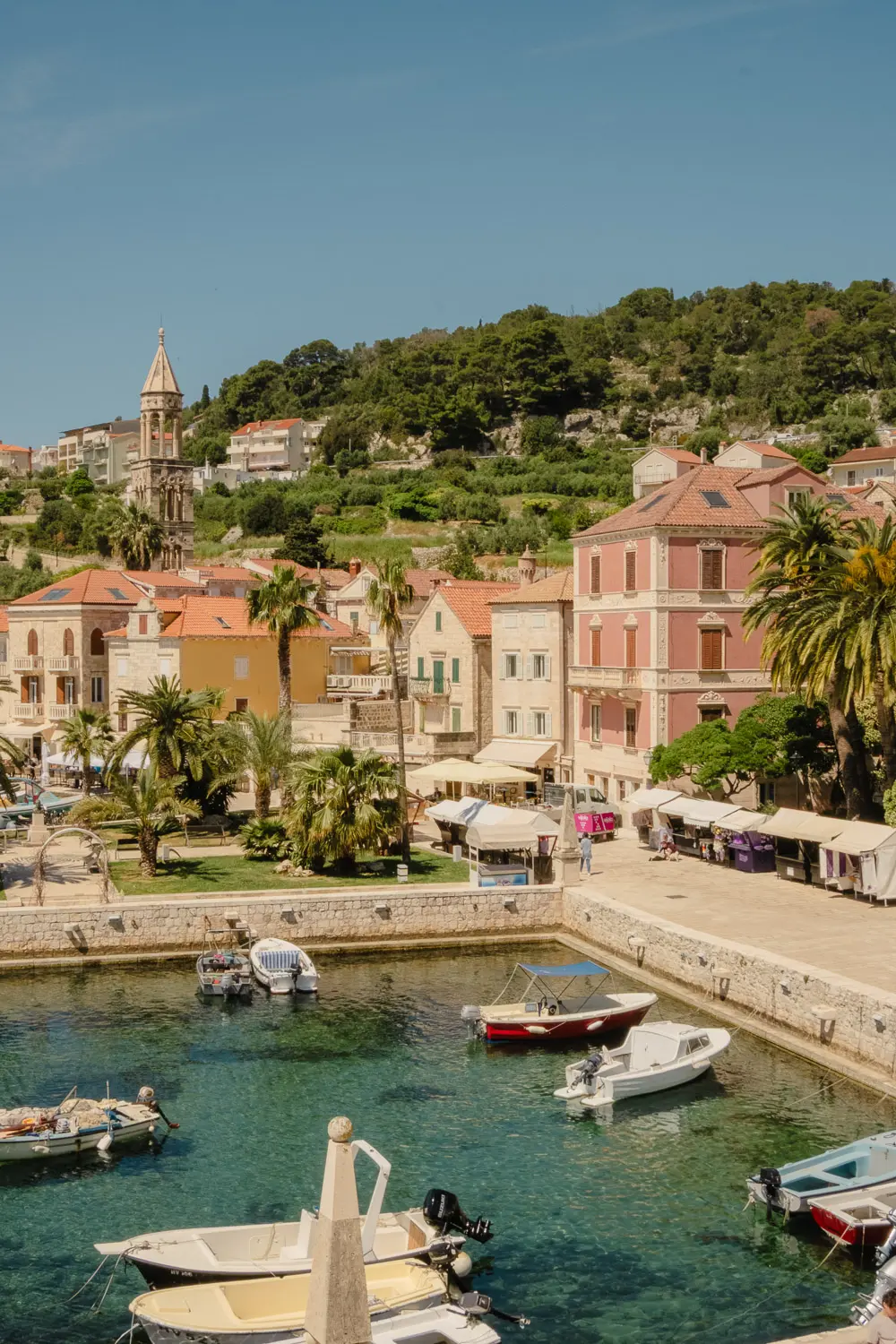
I personally love September as a whole and think any part of the month is great for a visit. However, if you’re looking for the safest weather and a proper beach holiday, I’d definitely come at the beginning of the month.
If you’d like to avoid the crowds as much as possible, come from mid-September onwards, because that’s when the crowds really start to disappear. Kids have to go back to school and most people are no longer taking time off work, so you’ll notice a big difference.
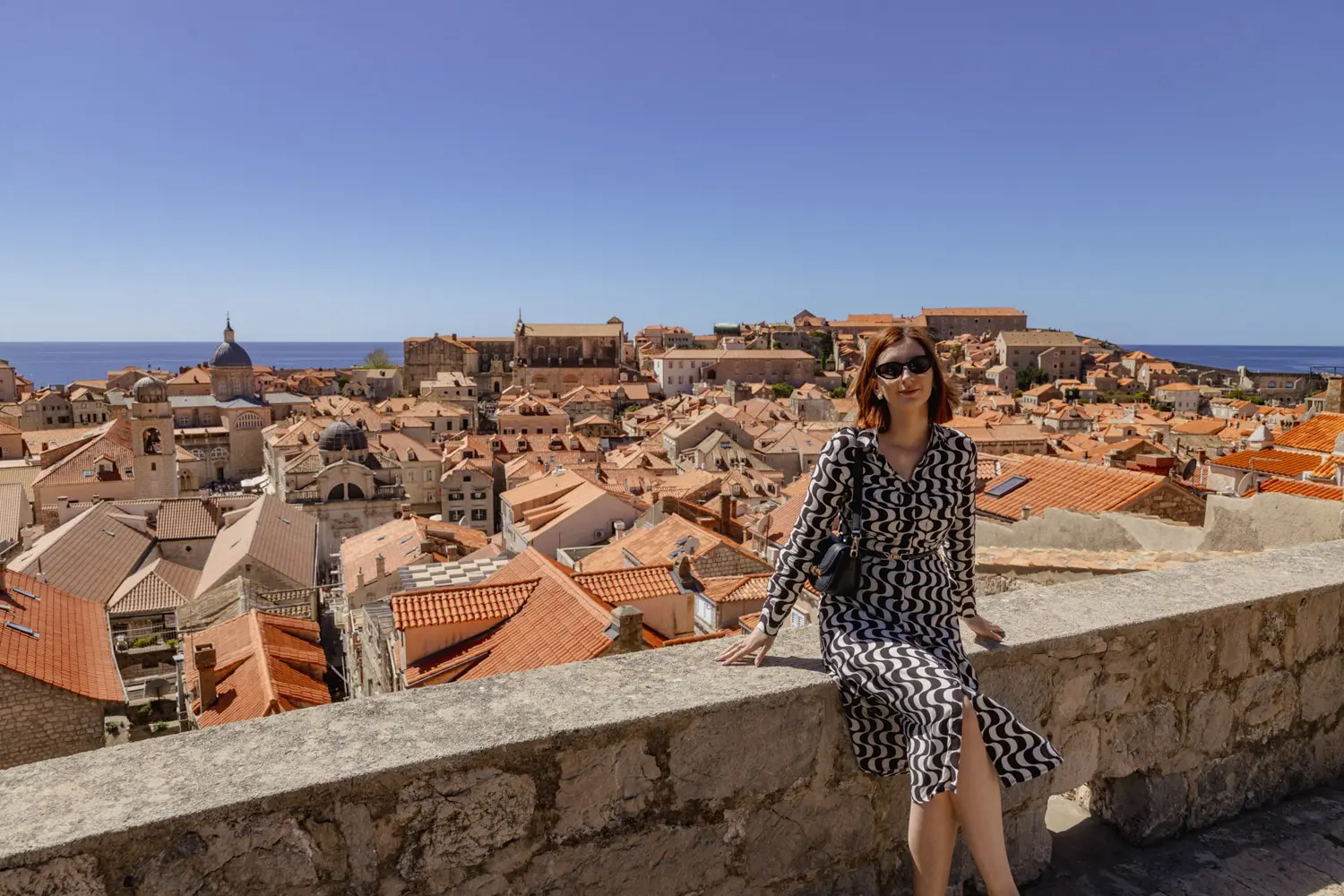
However, that doesn’t really apply to Dubrovnik. Last year, we had a friend visit us from September 20th, and when we went to walk the Dubrovnik City Walls, I honestly couldn’t believe how many people were still there at the end of September! Dubrovnik is pretty much crowded from March to October, so don’t expect it to be completely quiet just because you’re visiting in September.
But for almost every other destination, September is more than okay, and the later in the month you go, the more peaceful it generally gets.
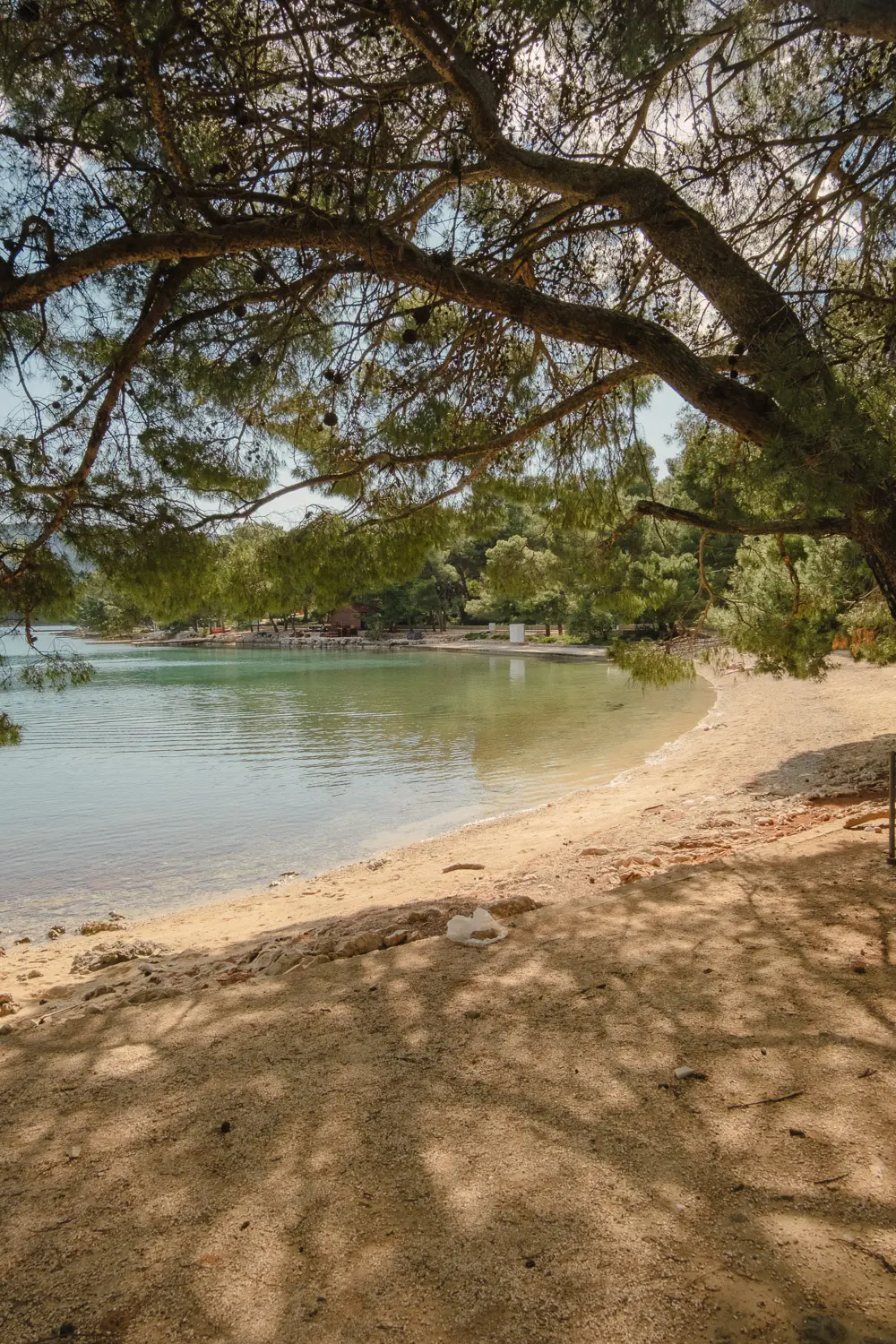
WHAT IS THE WEATHER LIKE IN CROATIA IN SEPTEMBER?
Croatia is still quite warm in September, especially on the coast. It’s important to differentiate the coast from other parts of Croatia, because if you’re doing a road trip through the whole country, you might have to adapt to different weather and temperatures.
September is already starting to feel like autumn in inland Croatia, such as around Plitvice Lakes and Zagreb, but on the coast there’s actually not that much difference from August. The days are still very sunny and warm, although the evenings are cooler, so you’ll definitely want something to cover up with.
The days are also shorter, so evenings come much quicker than they do in August, which is something to keep in mind if you’re planning beach days, boat trips, or sightseeing.
CROATIA SEPTEMBER TEMPERATURES BY DESTINATION
| Destination | Average Day | Average Night | Sea Temperature |
|---|---|---|---|
| Dubrovnik | 25–26°C | 18°C | 24–25°C |
| Split | 25–26°C | 18°C | 24–25°C |
| Hvar | 26°C | 18°C | ~24°C |
| Zadar | 24–25°C | 16°C | ~23°C |
| Rovinj | 24–25°C | 14–15°C | ~23°C |
| Pula | 24°C | 15°C | ~23–24°C |
| Rijeka | 24°C | 15–16°C | ~23°C |
| Zagreb | 22°C | 12–14°C | — |
| Plitvice Lakes | ~20°C | ~11°C | — |
Keep in mind that, from my experience, the southern coast can be quite a bit warmer than these average temperatures, especially during early September. Temperatures are often still reaching around 30°C, especially in early September. The inland destinations, however, are pretty accurate.
DOES IT RAIN IN CROATIA IN SEPTEMBER?
Yes, it can rain in Croatia in September, but that doesn’t mean you should expect rainy weather throughout your trip. September is still generally a great month to visit Croatia, especially along the coast.
The important thing to keep in mind is that rainfall increases compared with July and August, particularly towards the end of September. The Adriatic coast can still have plenty of sunny, dry weather, but you’re more likely to get a rainy or stormy day than during the peak summer months.
Rain also varies quite a bit depending on where you are. Southern Dalmatia usually stays relatively dry compared with northern coastal and inland areas. Split or Hvar definitely get less rain than inland destinations like Zagreb and Plitvice which are more rainy.
So if you’re coming in September, I wouldn’t let the possibility of rain put you off because you’re still much more likely to have plenty of beautiful sunny days than a completely rainy holiday. Last year, I spent the whole September in Dubrovnik and we had maybe 2–3 rainy days in total, and they were more like your typical summer showers that passed within a few hours.

CAN YOU SWIM IN CROATIA IN SEPTEMBER?
Absolutely! September is actually one of my favourite months for swimming in Croatia. The sea is still warm from the summer, while the beaches are noticeably quieter than they are in July and August.
Sea temperatures along the Croatian coast are generally around 23–25°C (73–77°F) in September, although this varies by location and time of the month. The southern Dalmatian coast, like Dubrovnik, Korcula and Hvar, tends to stay warmer, while the northern Adriatic can be slightly cooler.
If you’re visiting in early September, you can expect the sea to feel very much like summer. I’ve often found it warm enough to swim comfortably several times a day. Even in late September, swimming is still possible, although cooler air temperatures and occasional windy or rainy days can make getting out of the water less enjoyable.
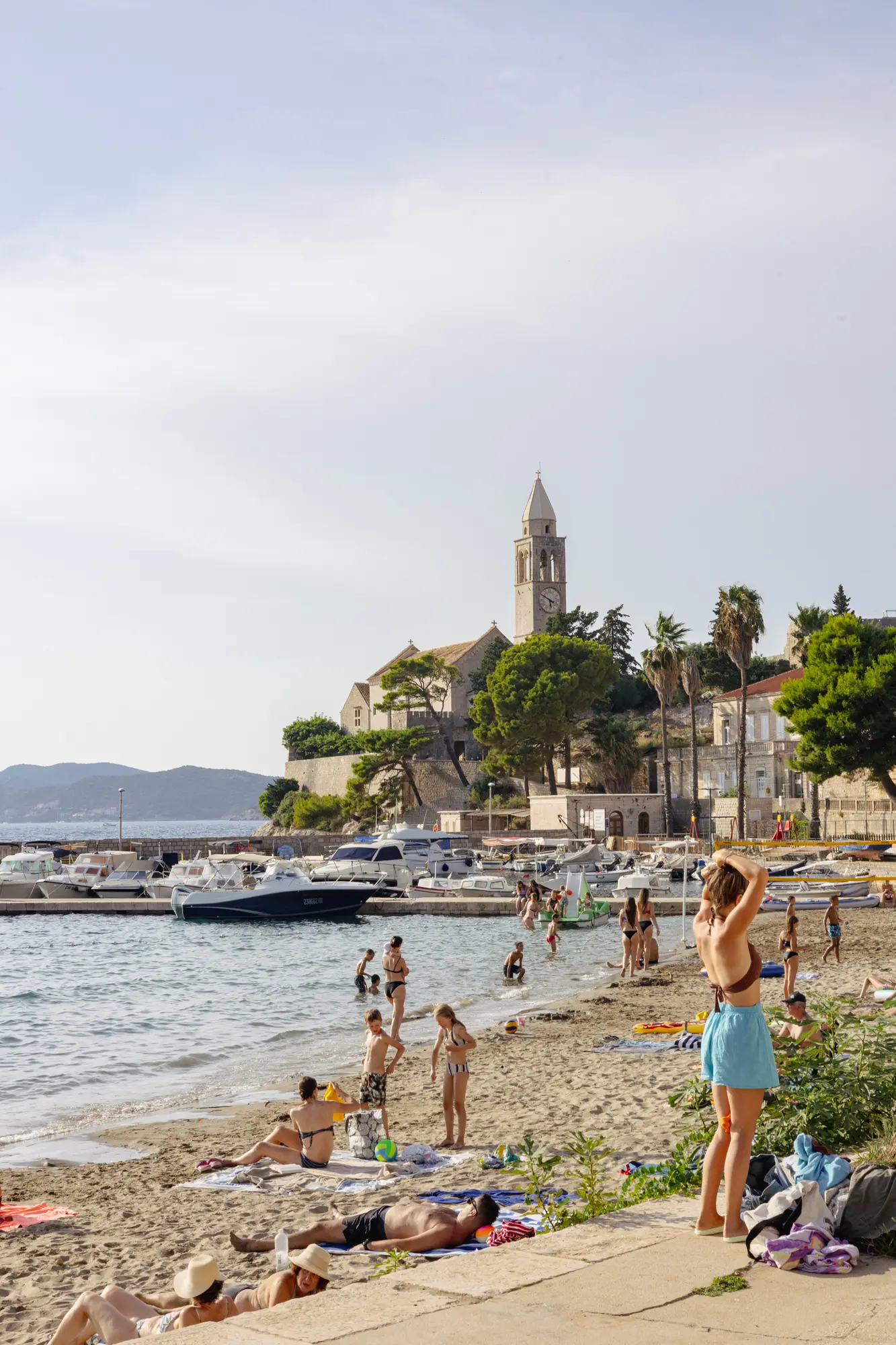
IS CROATIA CROWDED IN SEPTEMBER?
Croatia is much less crowded in September than in July and August, but it definitely isn’t empty. In fact, I think September is one of the best times to visit if you want to enjoy Croatia without the peak-summer crowds. The biggest difference is that the first half of September can still feel quite crowded (because it is!), especially in the most popular destinations. Dubrovnik, Split, Hvar, and Plitvice Lakes still have plenty of visitors, especially around the main sights and when cruise ships are in port.
When we get to mid-to-late September, things generally become noticeably quieter and less crowded. You’ll find fewer people on the beaches, more availability at hotels and restaurants, and overall a much more relaxed atmosphere in the historic towns.
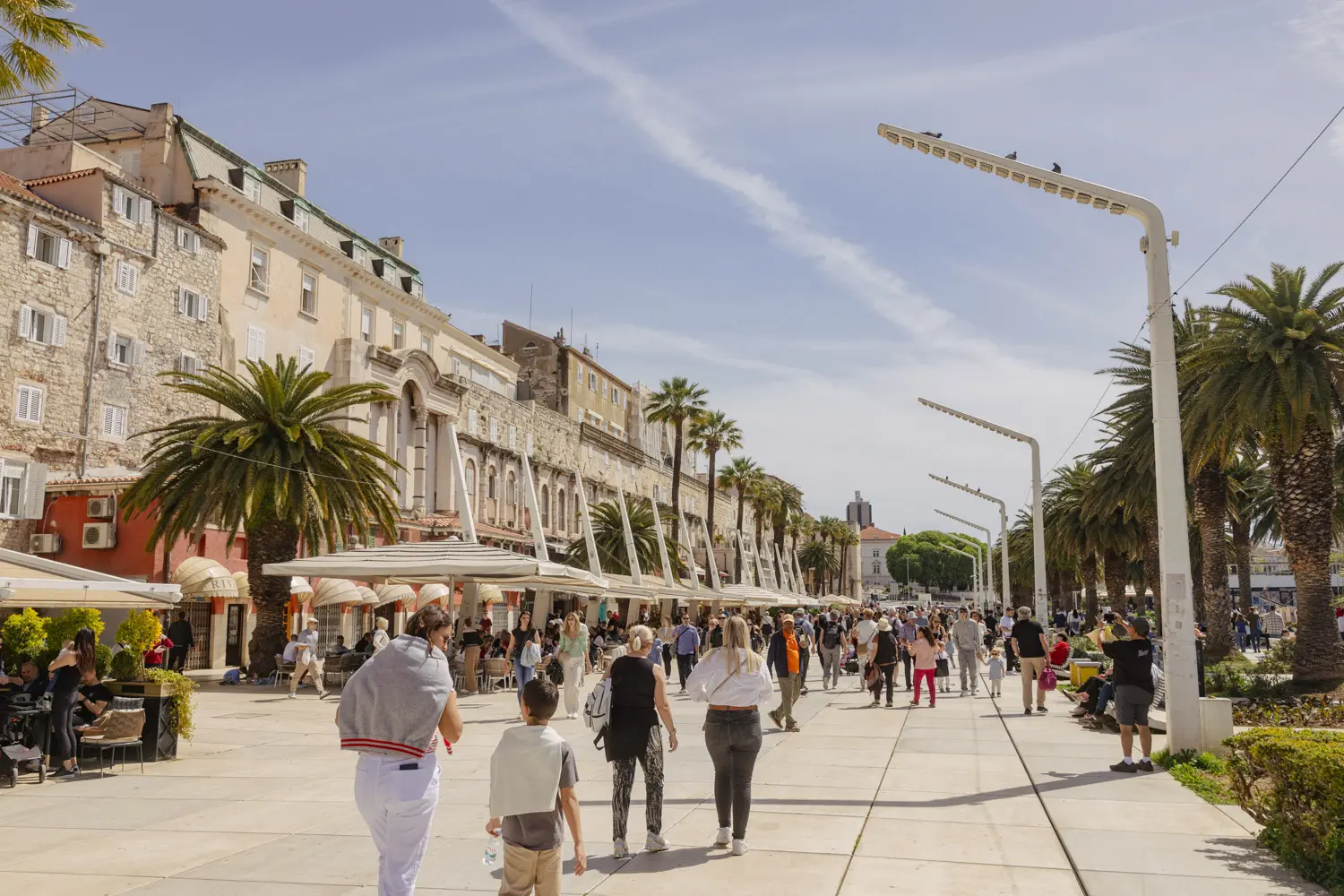
WHAT TO EXPECT IN DIFFERENT PLACES
- Dubrovnik: still busy, especially around the Old Town and when cruise ships arrive, but a bit better than July or August. It’s crowded all throughout September so early or late September visit makes no difference.
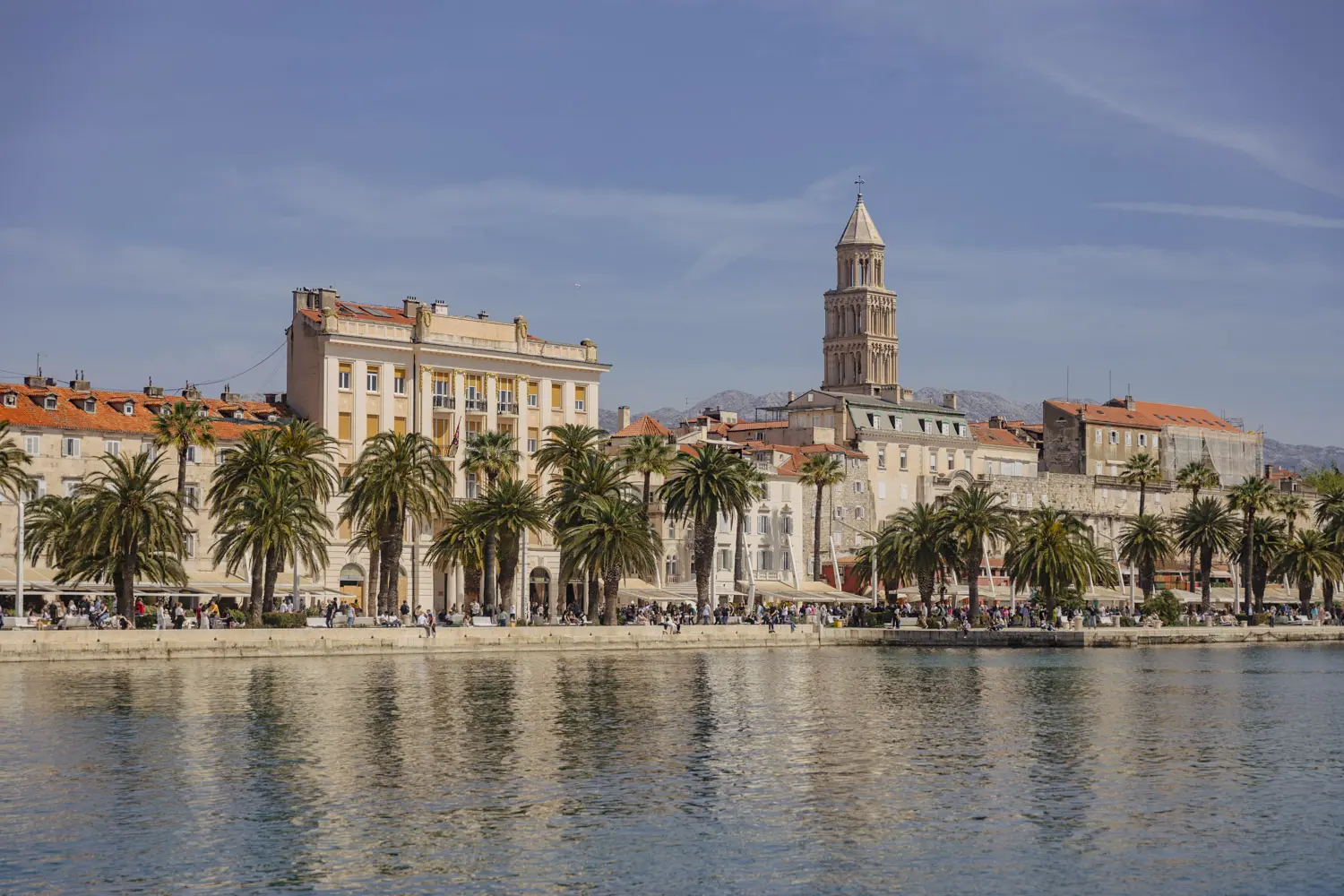
- Split: The historic centre is still crowded, although the crowds are noticeably smaller than in peak summer.
- Hvar: Still popular in early September, but the party crowds start to disappear so you get a much calmer island from mid-September.
- Korcula & other islands: Generally much more peaceful than during July and August, definitely due to limited ferry schedules from mid-September.
- Plitvice Lakes: Still popular throughout September, so don’t expect to have the park to yourself. Early morning is your best bet.
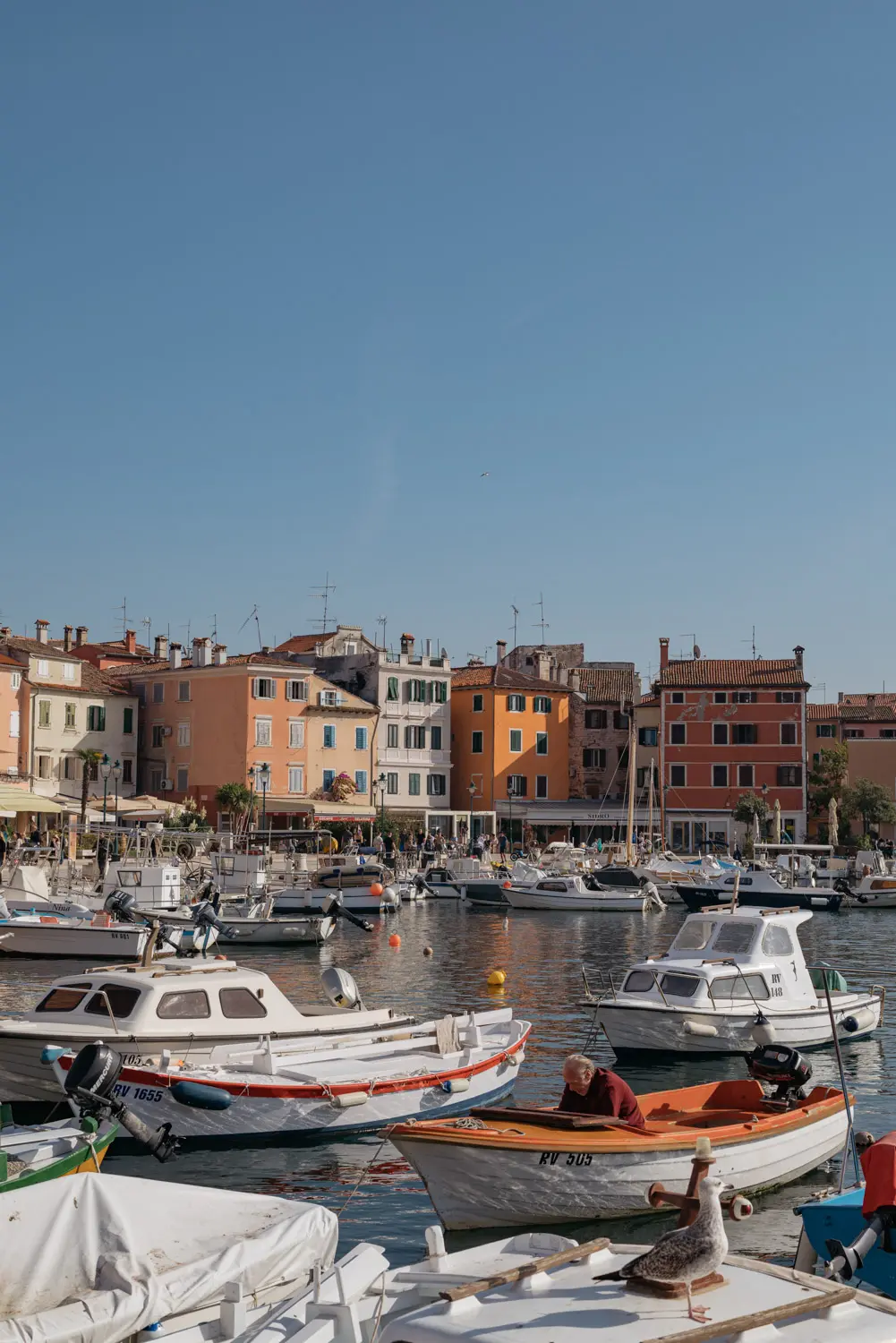
- Istria: September is a very popular time to visit, particularly for food, wine and coastal trips, but the atmosphere is considerably more relaxed than in August.
If you really want to avoid crowds, I’d choose the second half of September. You can still get warm, sunny days and swim in the sea, but you’ll avoid much of the summer crowds!
IS CROATIA EXPENSIVE IN SEPTEMBER?
Croatia in September is generally more affordable than during the peak summer months of July and August, although exactly how much you’ll save depends on where you’re going and what kind of trip you’re planning.
Accommodation prices usually start dropping after the summer season, especially from mid-September onwards. Apartments and guesthouses often have better rates and more availability than they do in July and August. That said, popular destinations like Dubrovnik, Hvar and Rovinj can still be quite expensive, especially during the first half of September.
If you look at hotels, you might actually find that they’re almost as expensive in September as they were during peak season. However, locally owned apartments often have much better shoulder-season rates, so you can sometimes get a really good discount simply because it’s no longer peak season.
Flights can also be cheaper than during the height of summer, although this really depends on where you’re flying from and how far in advance you book. If you’re travelling to Croatia in September, I’d still recommend booking your flights and accommodation ahead of time, especially if you’re visiting one of the more popular coastal destinations. If you’re travelling from somewhere else in Europe, you can often find Ryanair flights for around €30–50 to Dubrovnik, Split, Zadar or Pula, especially if you book early.
Food and restaurant prices don’t change dramatically with the season. A meal at a casual or mid-range local restaurant can often cost around €10–20 per person, although restaurants in popular tourist locations and islands can be considerably more expensive, sometimes €30–40 per person. Coffee is usually around €2–3, depending on where you are.
Tours and activities aren’t necessarily cheaper in September, but you can often enjoy smaller groups and much fewer crowds. Some tour operators offer end-of-season discounts, but most keep their prices the same throughout the season. Entrance fees to national parks and attractions can change depending on the season, so it’s worth checking the individual website before you go. For example, Plitvice Lakes and Krka National Park are much cheaper in October, while September still has the same prices as the summer months.
Transport is pretty similar too. Ferry and bus prices don’t automatically become cheaper in September, although some seasonal routes and services start operating on reduced schedules. If there isn’t huge demand, you can sometimes find cheaper tickets. Rental cars can become noticeably cheaper after the peak summer period, although this really depends on demand and availability.
Overall, Croatia isn’t exactly a cheap destination, but September can give you much better value for money than July and August. You’ll often get lower accommodation prices, more availability, fewer crowds, and still have excellent weather and warm sea temperatures which, in my opinion, is a pretty amazing combination.
ARE FERRIES RUNNING IN CROATIA IN SEPTEMBER?
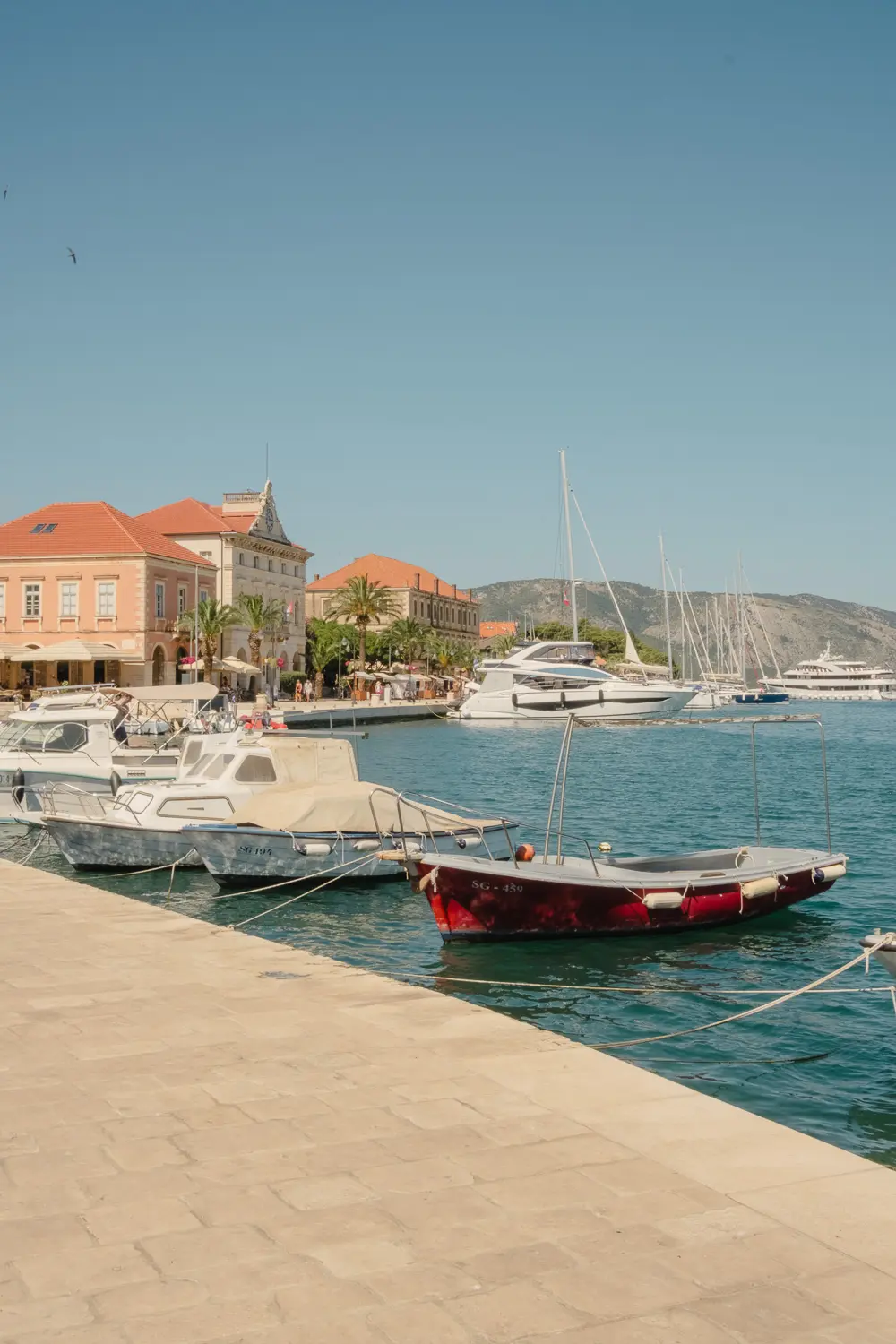
Yes! Ferries absolutely run in Croatia in September, and you can still travel between the mainland and the islands quite easily. September is still part of the tourist season, so the major ferry routes continue operating.
However, there is one important difference compared with July and August: ferry schedules start to become less frequent, particularly towards the end of September. Some additional summer departures are removed, and some seasonal routes stop operating altogether.
Late September is where you need to pay more attention. Some summer-only services finish around the middle or end of the month, while other routes switch to their low-season timetable. My biggest tip is to check the exact timetable for your travel dates before booking your accommodation, especially if you’re planning to island hop!

IS EVERYTHING OPEN IN CROATIA IN SEPTEMBER?
Yes, pretty much! September is still part of the tourist season in Croatia, so you’ll find hotels, restaurants, shops, attractions, tours, and most tourist services open, especially during the first half of the month.
However, things do start slowing down towards the end of September. Some seasonal beach clubs, beach bars, restaurants, and other summer businesses may close or reduce their opening hours, especially on smaller islands and in less touristy towns.
The biggest difference is between early and late September. In the first half of the month, you can still get a very similar experience to summer, just with fewer crowds. By the last week, you’ll notice more businesses slowing down and ferry and tour schedules becoming less frequent.
I wouldn’t worry about coming to Croatia in September, but if there’s a specific restaurant, tour, beach club, or attraction you really want to visit, check its opening hours beforehand, especially if you’re coming at the very end of the month.
WHERE TO GO IN CROATIA IN SEPTEMBER
BEST PLACES FOR BEACHES
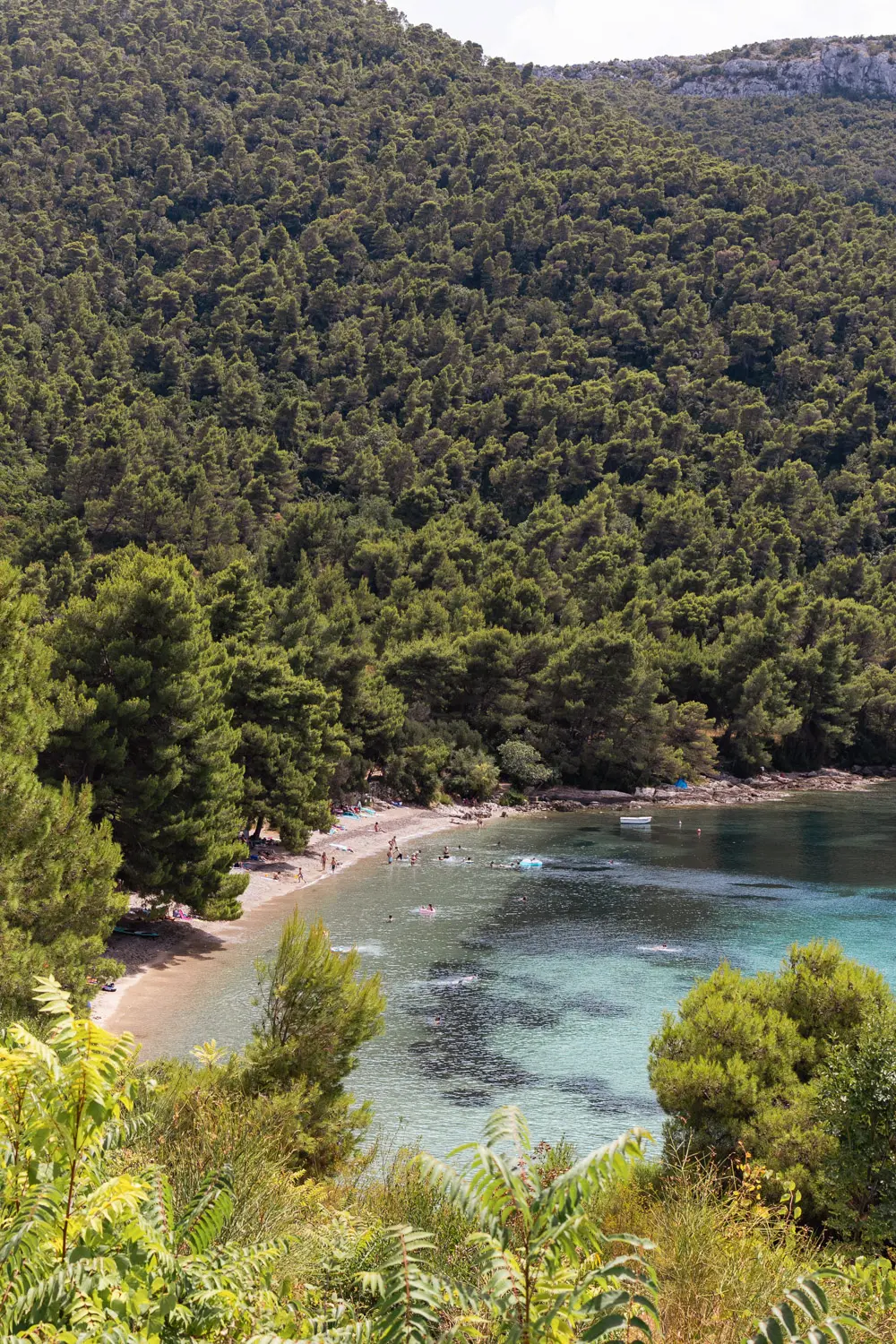
If beaches are a priority, southern and central Dalmatia are your best bet. Hvar, Korcula, Brac, Dubrovnik, and the Makarska Riviera all have beautiful beaches, warm sea temperatures, and plenty of sunny days in September. The further south you go, the better your chances of hot beach weather, especially in the first half of the month. Istria is also a great option, although the sea can be slightly cooler.
BEST PLACES FOR SIGHTSEEING
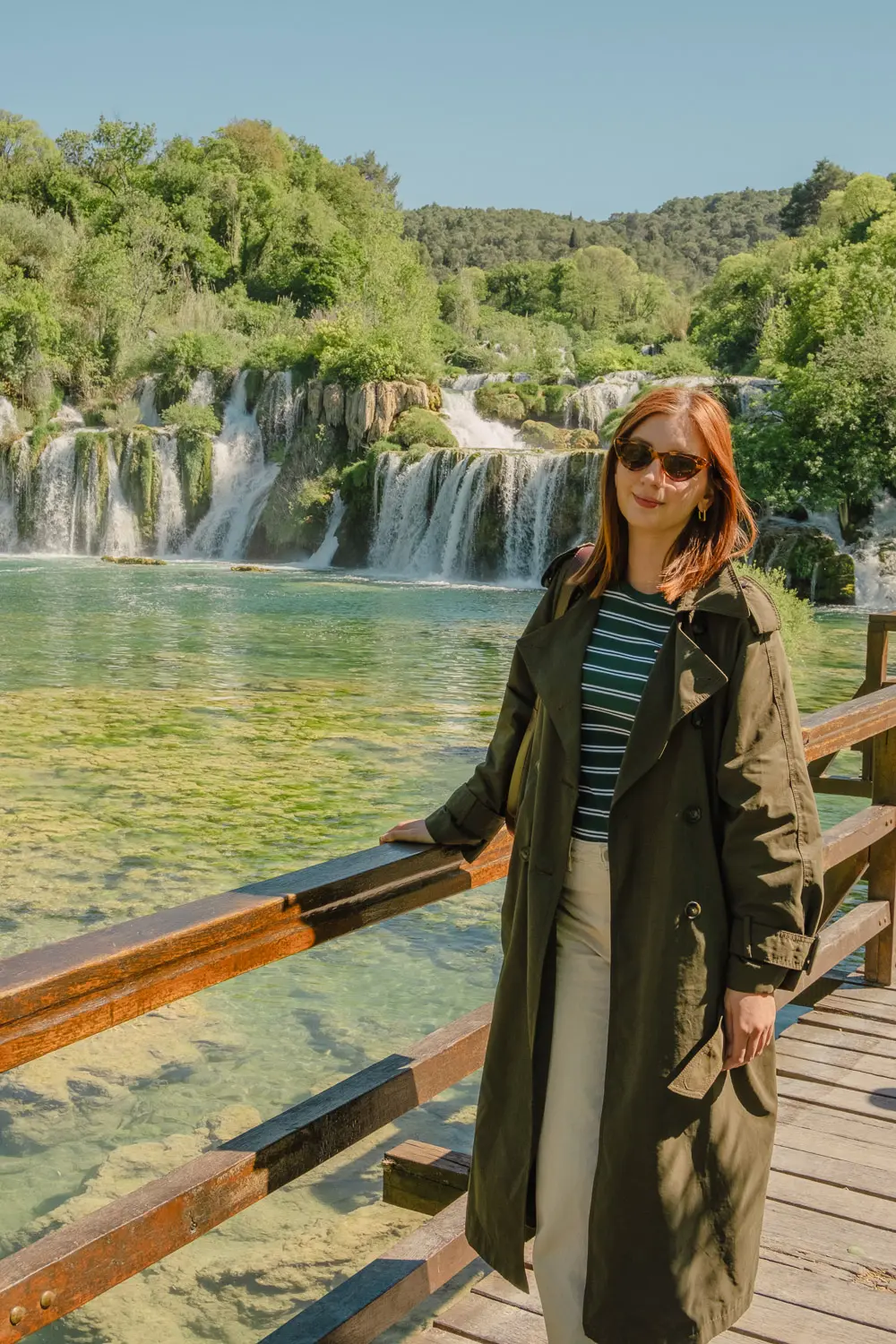
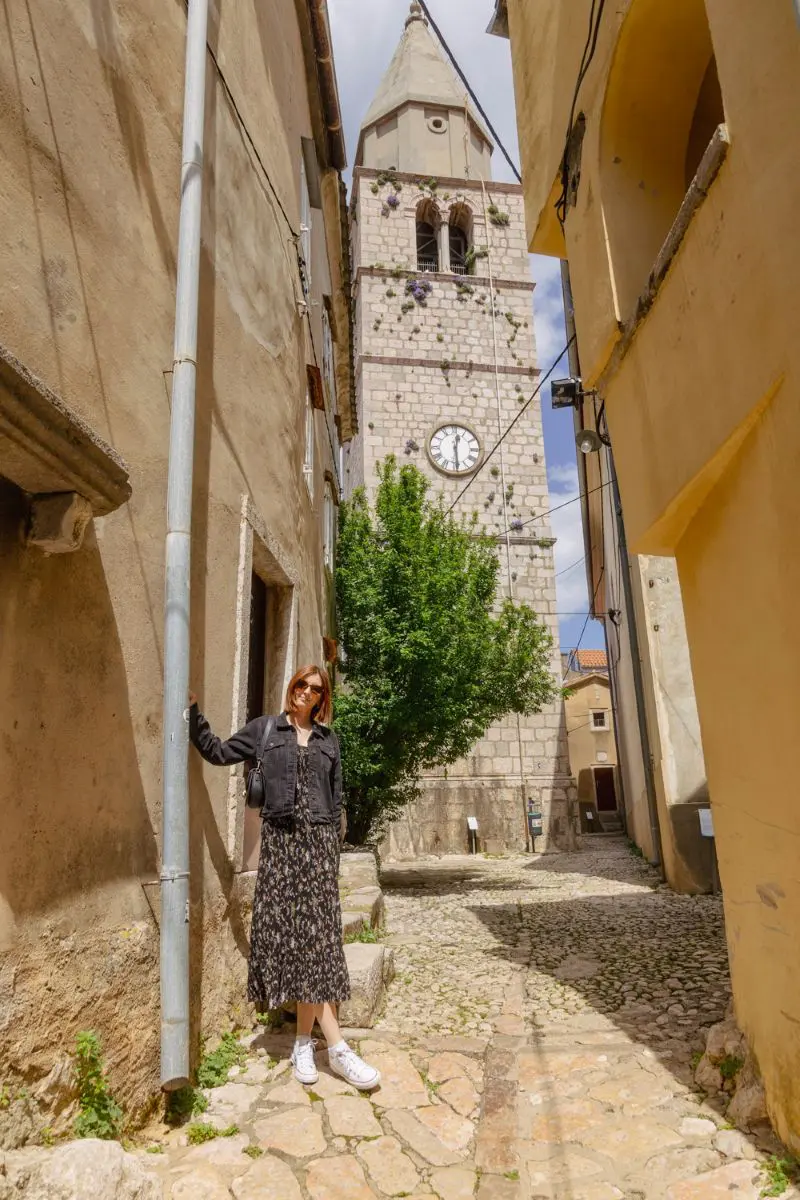
September is a fantastic month for sightseeing in Croatia because the weather is still warm, but you don’t have to deal with the intense summer heat and crowds. Dubrovnik, Split, Zadar, Sibenik, Trogir, Rovinj, and Zagreb are all great choices, but also Plitvice Lakes and Krka National Park are really enjoyable in September. If you’re planning a road trip, September is also ideal for combining historic towns, national parks, and coastal scenery without feeling overwhelmed by the summer crowds. Basically, anywhere in Croatia is perfect for sightseeing in September!
BEST PLACES FOR NATURE
September is a great time to explore Croatia’s natural beauty, especially because the temperatures are more comfortable for hiking and outdoor activities. Plitvice Lakes and Krka National Park are obvious choices, while Paklenica, Mljet, and the islands of Hvar and Brac are great for hiking, forests, waterfalls, and beautiful coastal scenery. For a quieter experience in nature, September is also a great time to explore Istria and Croatia’s lesser-known region Slavonia and Baranja.
BEST PLACES FOR FOOD AND WINE
September is an excellent time for food and wine in Croatia, especially during the grape harvest. Istria is a must for truffles, local olive oil, and excellent wines, while Peljesac is perfect for visiting wineries and trying local seafood. I honestly don’t know which of the two locations I love more in September.
For traditional Croatian cuisine, go to Dalmatia, especially Split, Sibenik, and the islands, where you can enjoy fresh seafood, local wines, and authentic konobas. September is also a great time to visit Zagreb and northern Croatia for seasonal produce, wine, and hearty local dishes or Slavonia for their incredible wine and authentic dishes!
WHAT TO WEAR AND PACK FOR CROATIA IN SEPTEMBER
Packing for Croatia in September can be a little tricky because the weather can still feel like summer during the day, while mornings and evenings can be noticeably cooler. If you’re travelling along the coast, pack plenty of lightweight summer clothes, swimwear, sandals, sunglasses, and sunscreen, but also bring a light jacket or cardigan for cooler evenings.
Comfortable walking shoes are essential if you’re planning to explore old towns or national parks, and I’d also pack a light rain jacket or small umbrella in case you get a few rainy days. If you’re travelling inland or visiting places like Plitvice Lakes, bring a few warmer layers as temperatures can be considerably cooler than on the coast. I have a full Croatia packing list ready for you which you can download here!
EVENTS AND FESTIVALS IN CROATIA IN SEPTEMBER
September is a great month for experiencing local festivals, food and wine events, cultural celebrations, and traditional Croatian festivities. While the summer festival season starts slowing down, there are still plenty of events taking place across the country. The Korkyra Baroque Festival on Korcula, Varaždin Baroque Evenings, and the Split Film Festival are some of the cultural highlights, while food and wine lovers can enjoy Grape Days in Buje, celebrating the beginning of the grape harvest in Istria.
There are also plenty of smaller local events throughout the country, from wine harvest celebrations and olive oil festivals in Istria to traditional food festivals and local fairs along the Dalmatian coast. September is a particularly nice time to experience these events because they tend to feel more local and less touristy than the major festivals held during the summer!

WHAT I WISH PEOPLE KNEW BEFORE VISITING CROATIA IN SEPTEMBER
September isn’t empty.
Don’t expect Croatia to suddenly become deserted on September 1st. Popular destinations like Dubrovnik, Split, Hvar, and Plitvice can still be quite crowded, especially during the first half of the month.
The first and last week feel different.
Early September can still feel very much like summer, with hot days and warm sea temperatures. By the last week, the weather is more unpredictable, evenings are cooler, and some seasonal businesses and tours start closing down. If you want a summer experience come earlier in the month!
The sea is usually still excellent for swimming.
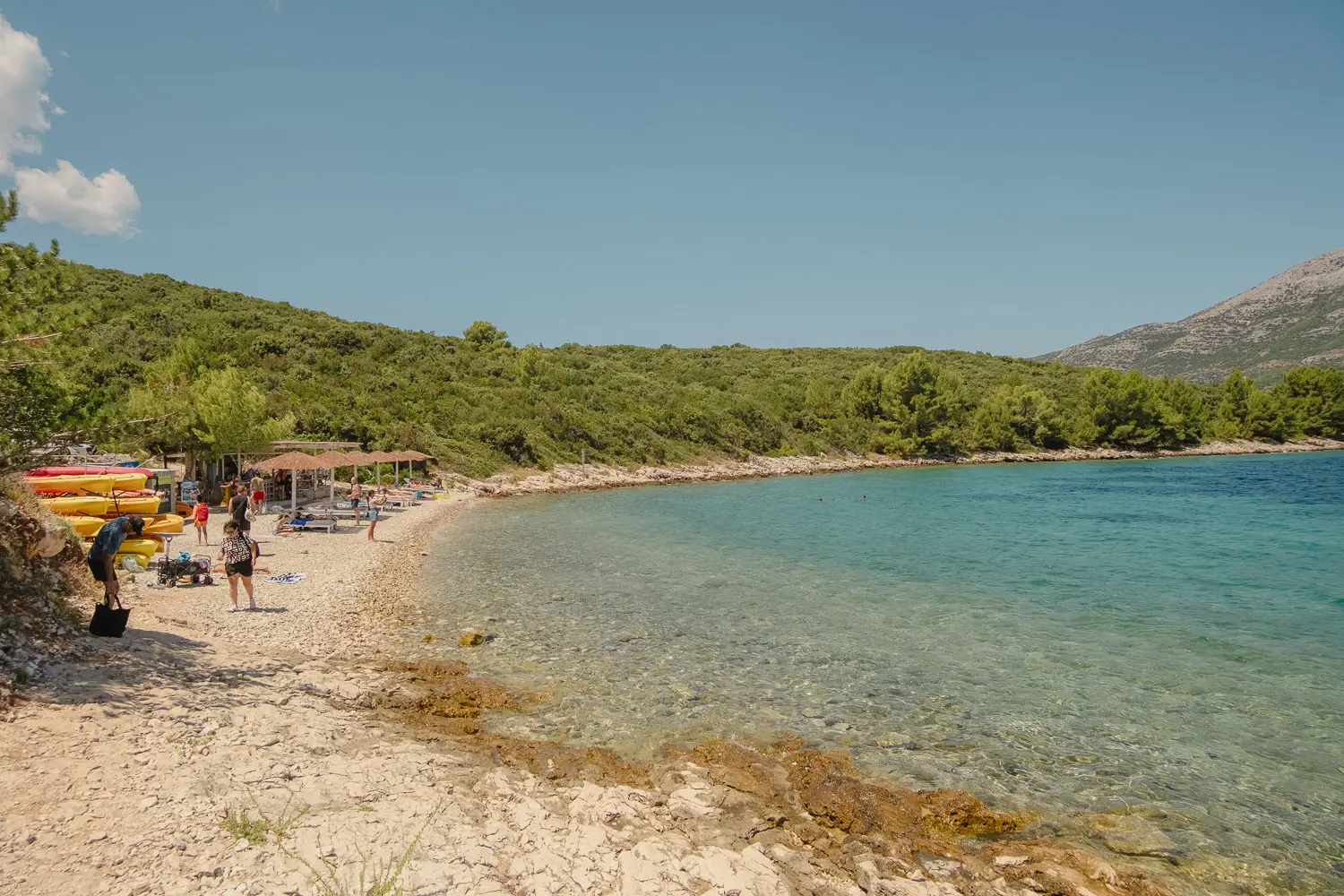
The Adriatic stays warm after the summer, so September is still a great time for swimming and beach days. The southern coast and islands are particularly good choices if swimming is a priority. I really love swimming on the islands in September because you get most of the beaches to yourself!
Don’t assume every island has the same ferry frequency.
Ferries and catamarans continue running, but schedules become less frequent compared with July and August, and some seasonal routes stop operating. Always check the timetable for your exact travel date before planning an island-hopping itinerary. If you’re getting car ferries to islands, make sure you’re not late, because the next one might be in 3-4 hours!
Pack for rain, even if your main goal is the beach.
September can have occasional rain or thunderstorms, even when most of your trip is sunny and warm. A light rain jacket and an extra layer take up very little space and can save you on a rainy day so don’t skip them and just assume it will only be sunny.
September is fantastic for combining coast + inland Croatia.
This is one of my favourite things about travelling in September. You can spend a few days swimming and island hopping on the coast, then head inland to places like Plitvice or Zagreb when the temperatures are more comfortable for sightseeing.
If you hate extreme heat, September can be better than July/August.
You can still get plenty of hot, summer-like days, particularly in southern Croatia, but the intense heat of July and August is generally not there. It’s much easier to spend a full day sightseeing without feeling exhausted by the heat.
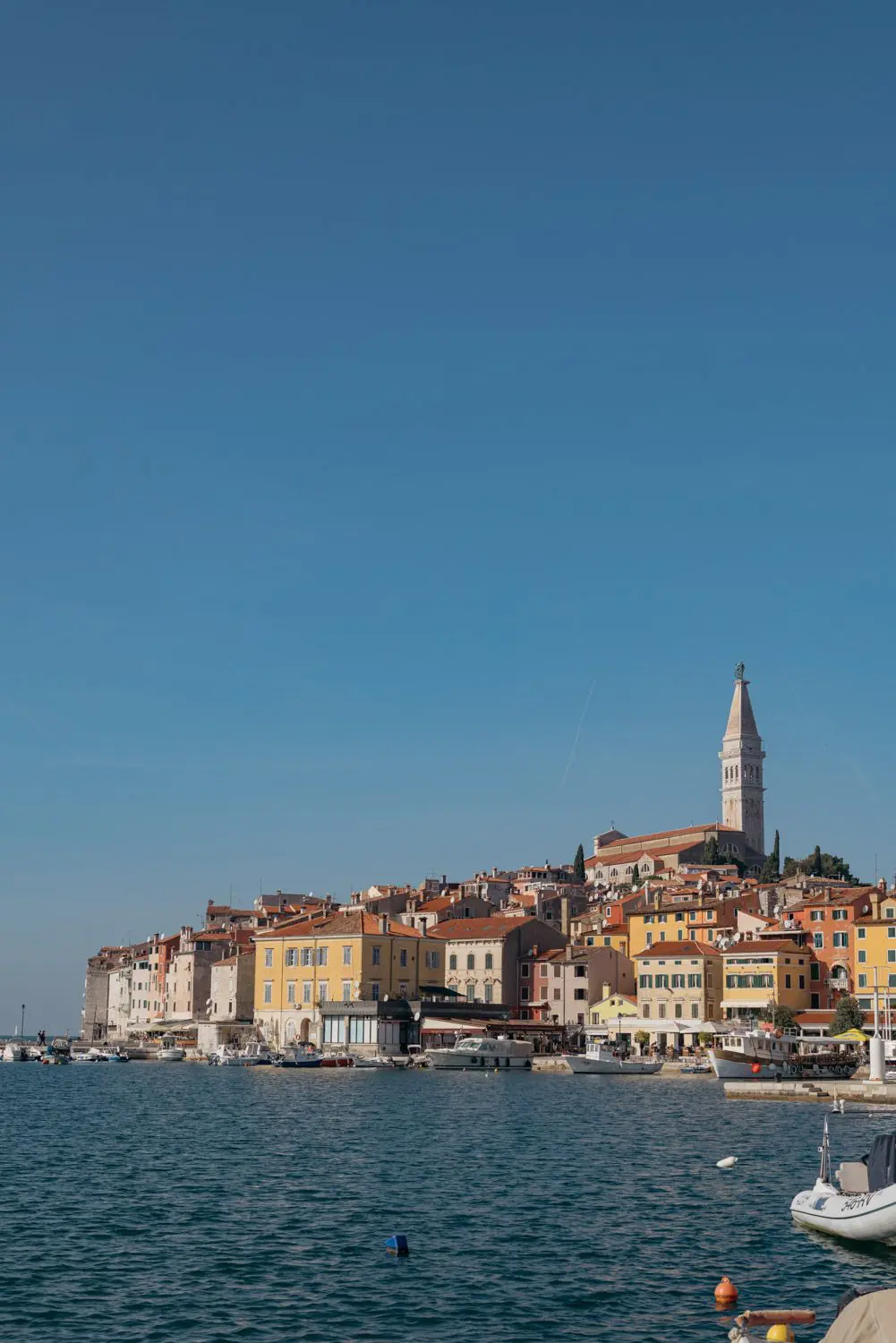
5 DAY ITINERARY FOR CROATIA IN SEPTEMBER:
Five days in Croatia in September could be the perfect holiday. You can create so many different combinations, but this itinerary focuses on southern Croatia, where you’re more likely to enjoy warm, sunny weather. Here’s how I’d spend those five days, combining beautiful beaches, charming small towns, and some of the country’s most impressive landmarks. Of course, feel free to adapt it to your own interests and travel style!
Day 1: Split
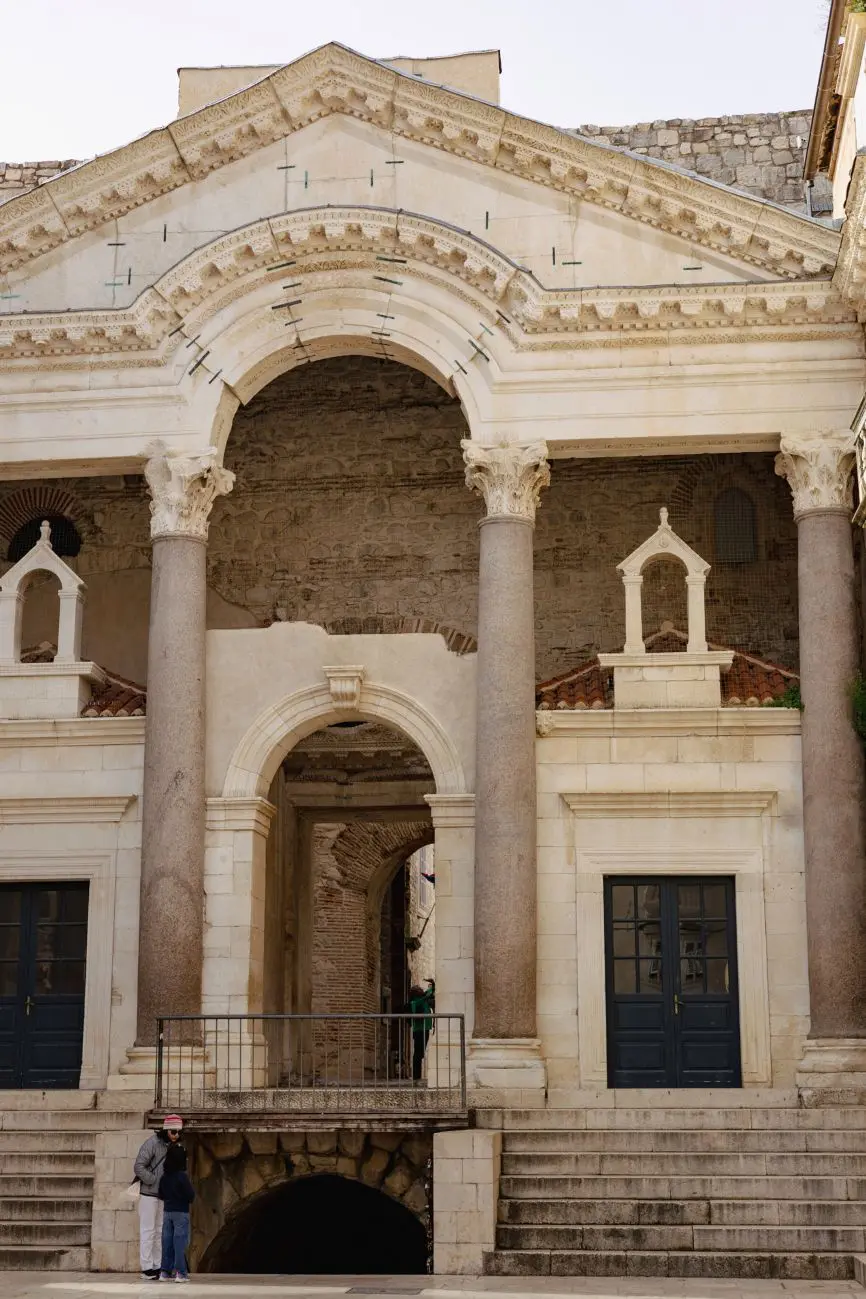
Arrive at Split Airport or drive into the city if you’re coming by car. Spend your first day exploring Split, starting with Diocletian’s Palace and the old town. September is a much more enjoyable time to explore the city, and starting in the morning means you can beat the biggest crowds.
Take a stroll along the Riva Promenade, Split’s famous seafront. This is one of the liveliest areas of the city, so expect plenty of people throughout the day. If you want a great view over Split, climb the Bell Tower of St. Domnius or head up Marjan Hill.
For dinner, try one of the excellent restaurants in the Old Town, such as Makarun or Fig, and use the opportunity to taste some classic Croatian dishes like Peka, Pasticada, or black risotto.

Day 2: Day Trip to Hvar
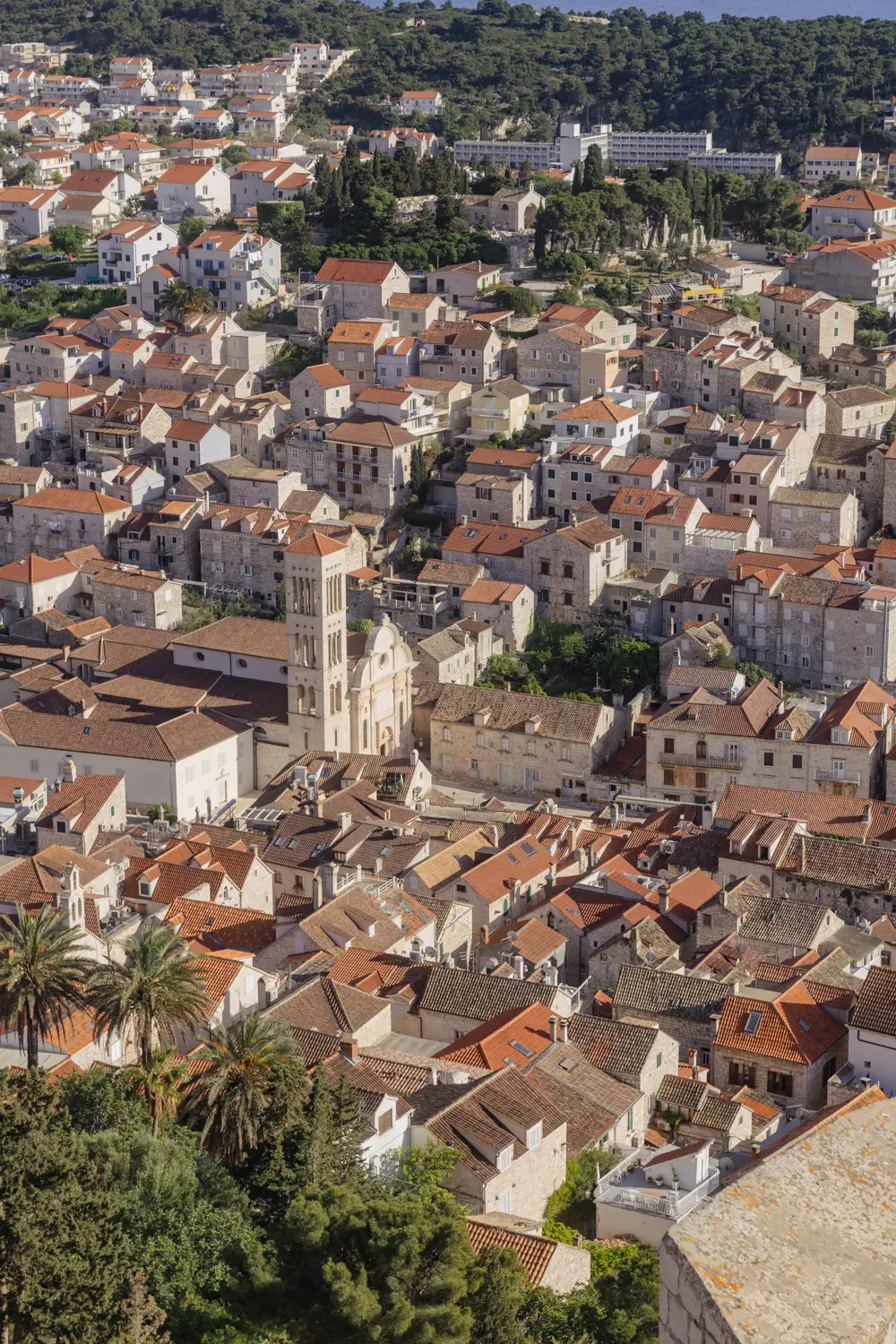
Get up early and catch a morning ferry to Hvar. The journey takes about an hour, and you’ll get to explore one of Croatia’s most famous islands. Make sure you check the timetable and buy your ticket online in advance, as September has a more limited ferry schedule than July and August.
Once you arrive, spend some time exploring Hvar Town and its beautiful landmarks, charming streets, and plenty of bars and restaurants. Most places are still operating normally in September, although things are definitely quieter than during the peak summer months. In the afternoon, head to Pokonji Dol or Dubovica Beach, both beaches are absolutely beautiful. If you have a car, bring it with you so you can explore more of the island, including the charming towns of Stari Grad and Jelsa.
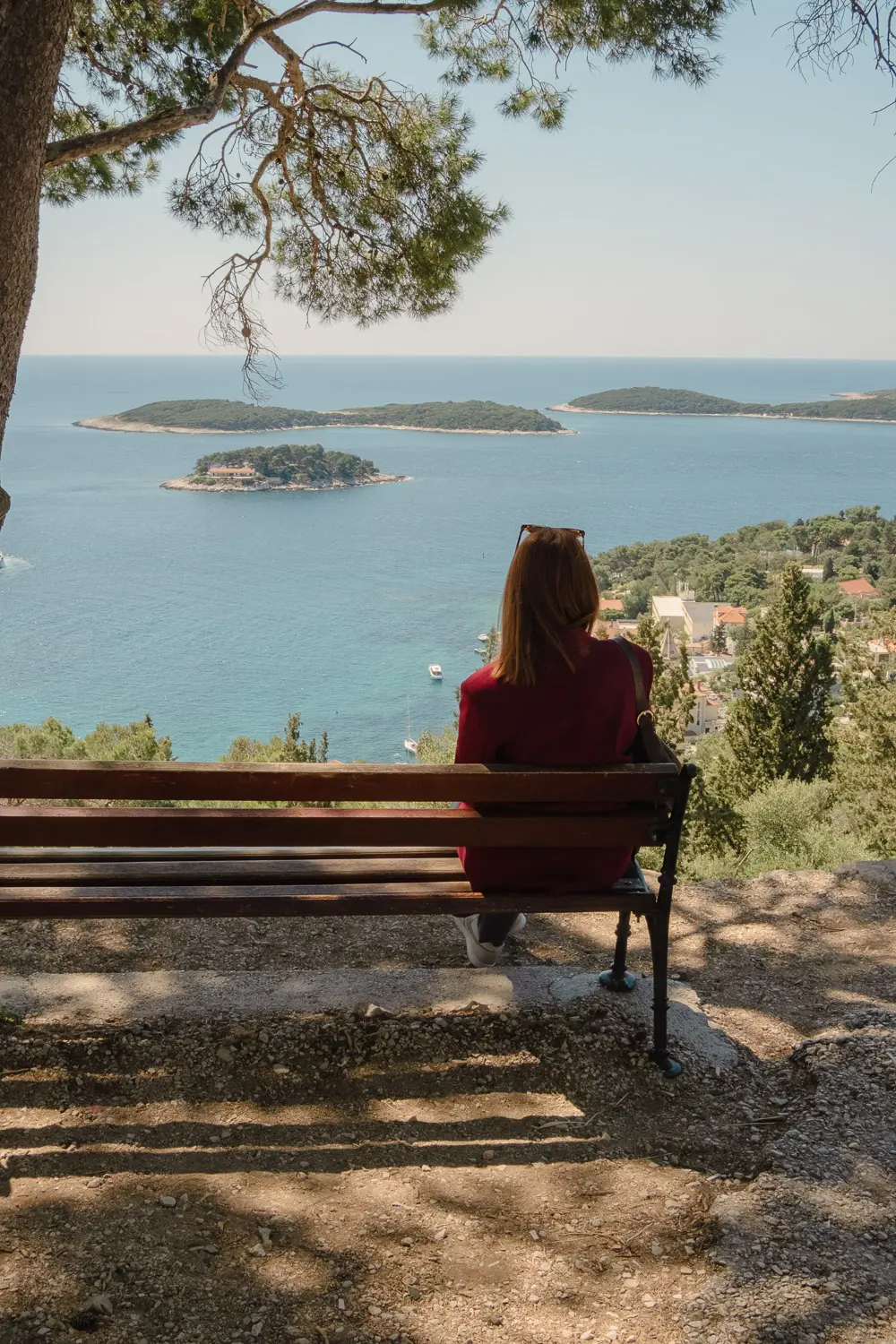
For a little extra adventure, if it’s in your budget, take a tour to the Pakleni Islands for swimming and snorkelling. September is a particularly nice time to visit, as the islands are much quieter and you can enjoy the beautiful Adriatic without the summer crowds. In the evening, catch a ferry back to Split.
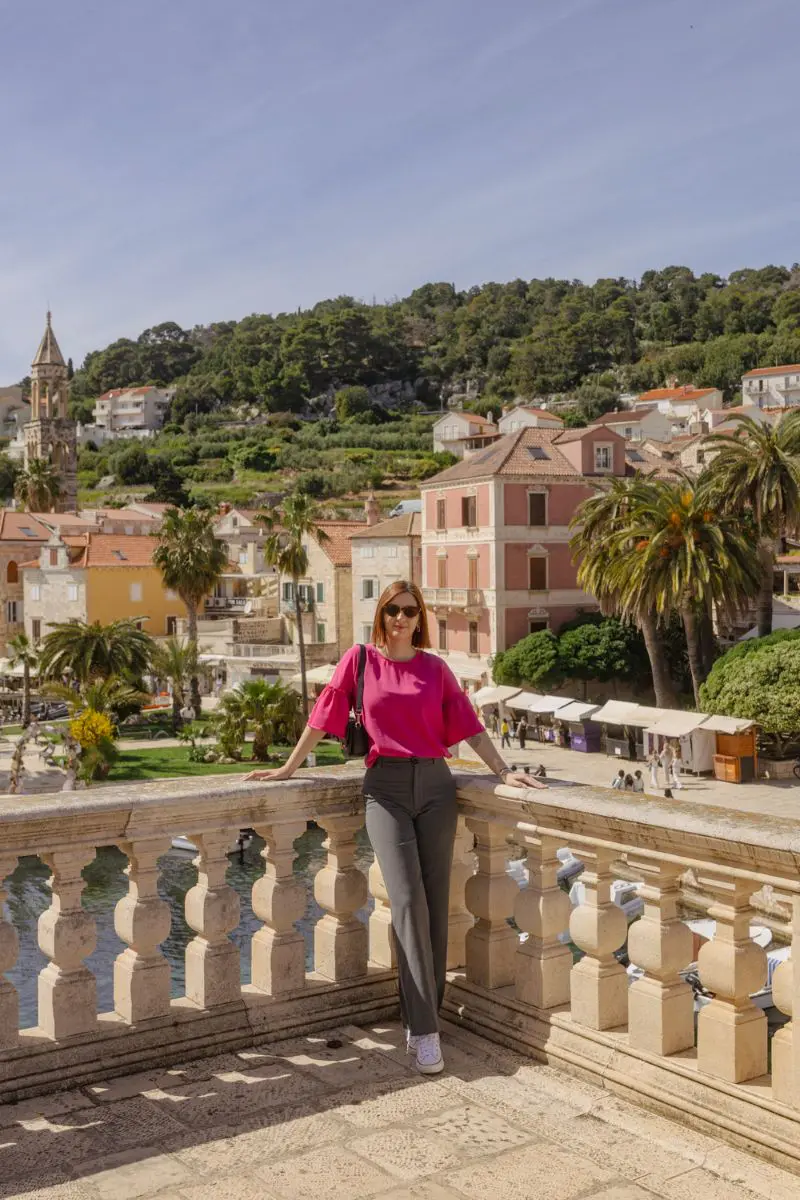
Day 3: Split to Ston
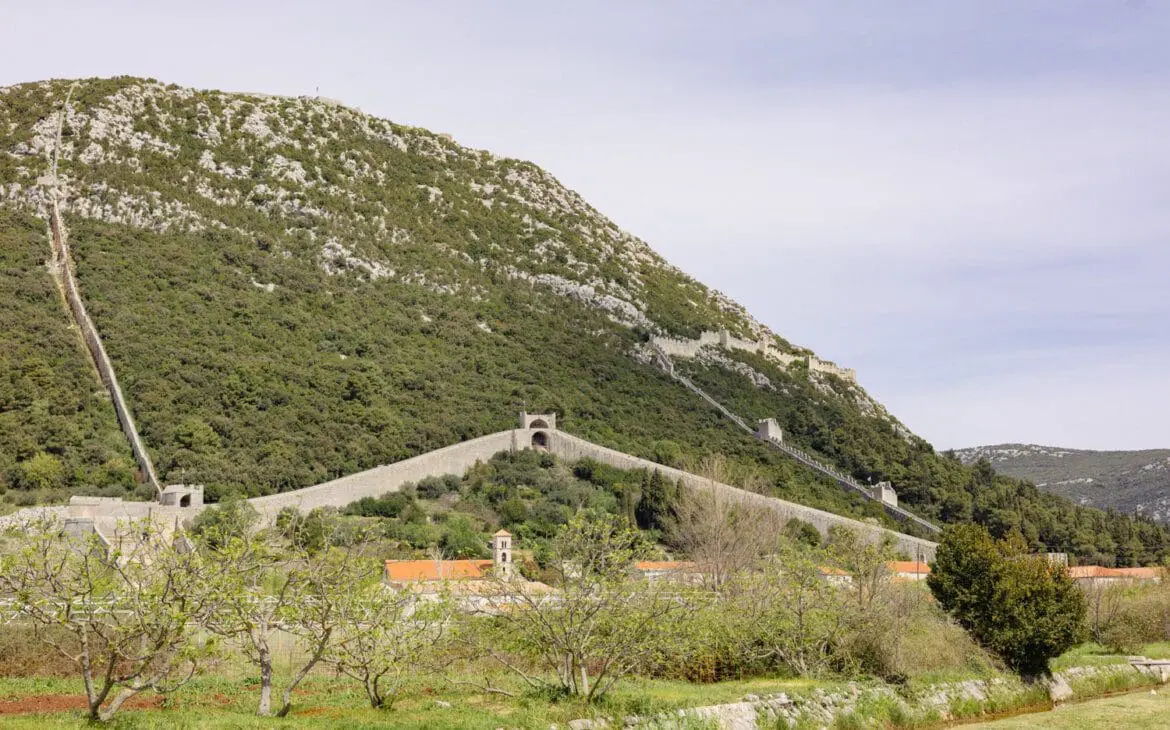
On day three, make your way to Dubrovnik, but take some time to explore Ston along the way. If you have a car, you can drive yourself, while those without a car can easily take a bus or splurge on a private transfer. Ston is a small but charming town, and it’s the perfect half-day stop between Split and Dubrovnik.
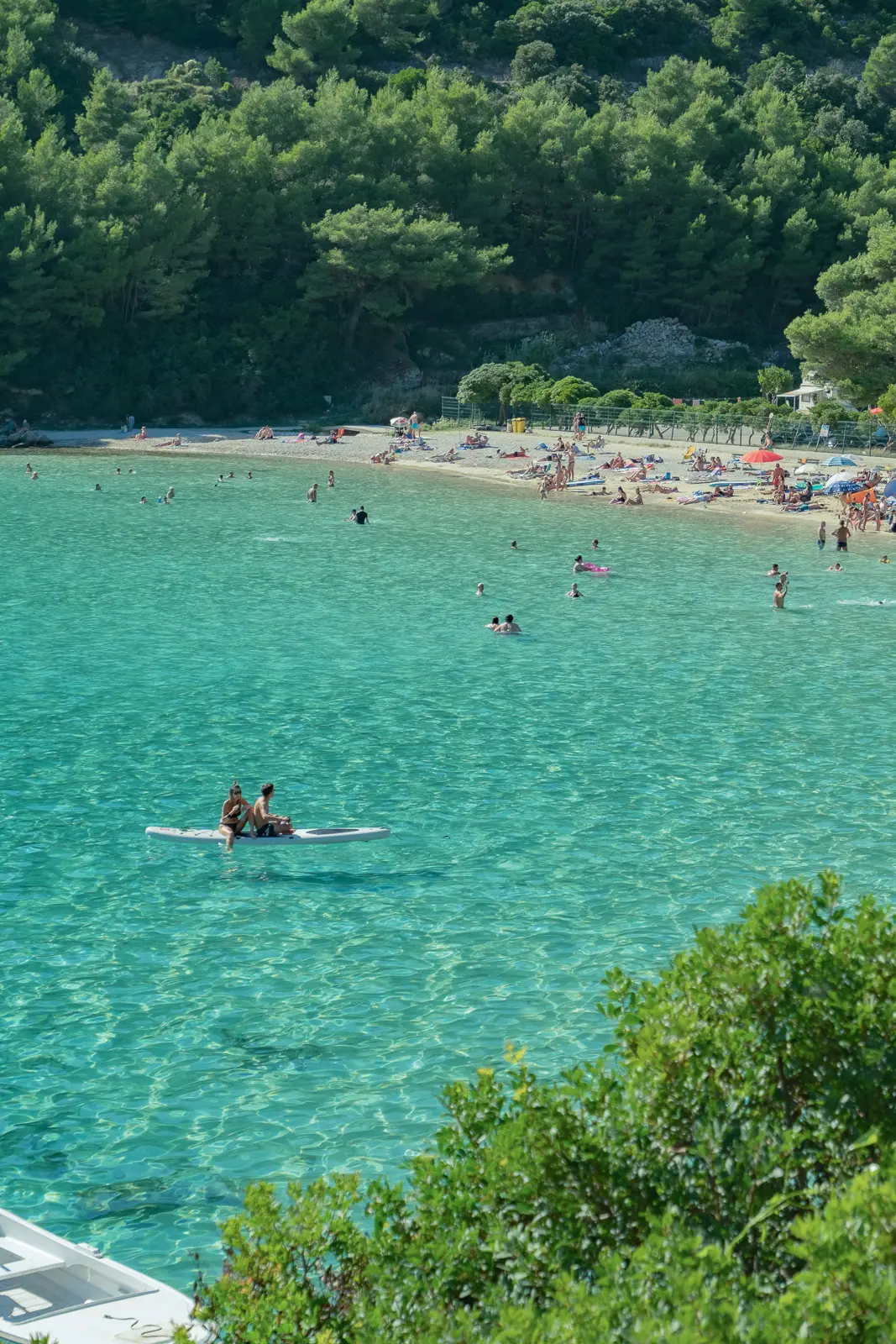
Once you’re there, wander through the old town, climb the famous Ston city walls, and treat yourself to some of the best seafood in Croatia. We usually stop in Mali Ston for lunch and enjoy fresh oysters at Villa Koruna. If you’re in the mood for a swim, head to Prapratno Beach, just a 7-minute drive away, or Zuljana Beach, about 13 minutes away. These beaches are particularly lovely in September when the summer crowds have disappeared. After your stop in Ston, continue on to Dubrovnik and settle in for the evening.
Day 4: Dubrovnik
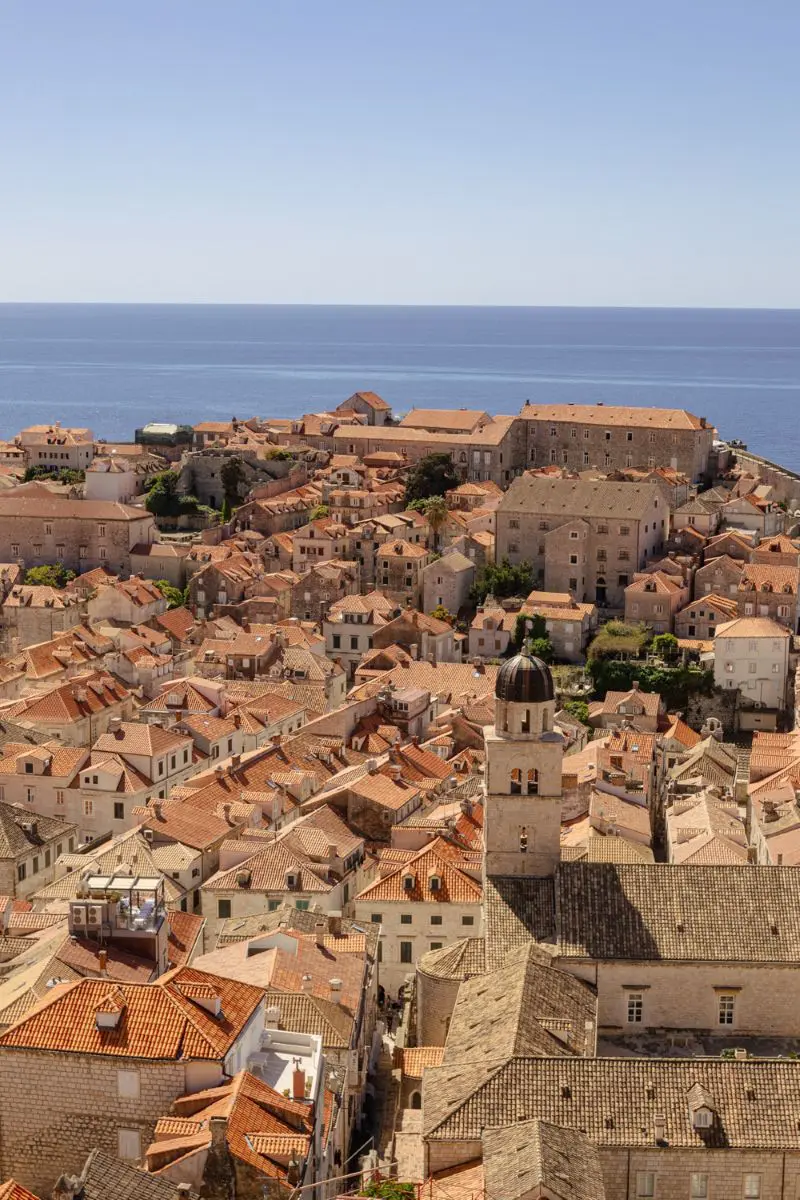
Wake up early to explore Dubrovnik. Start with a walk along the Dubrovnik City Walls to beat the crowds, as the Old Town can still get busy in September. You can buy your tickets at the entrance or online, but I’d recommend getting a Dubrovnik Pass to save some money if you plan to visit several attractions. After that, wander through the Old Town and explore its main landmarks, including the Rector’s Palace, Dubrovnik Cathedral, and Sponza Palace. Don’t forget to simply wander through the charming narrow streets and soak up the atmosphere.
After lunch, head to Banje Beach or St. Jacob Beach for a swim. St. Jacob Beach is personally better in my opinion, but Banje gives you better views. September is a great time to enjoy both beaches, as the sea is still warm but keep in mind that the beaches aren’t that much quieter than during the peak summer months.
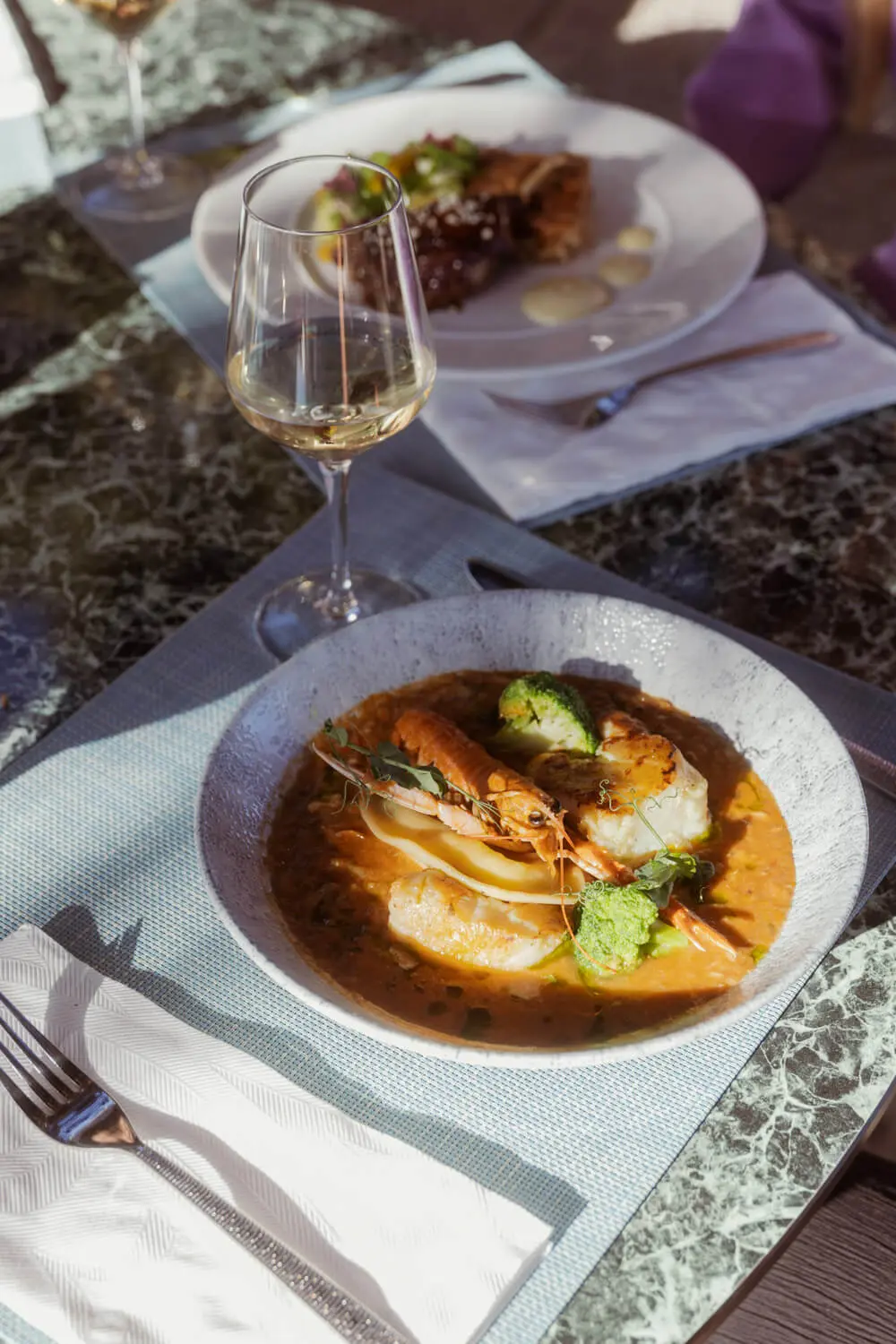
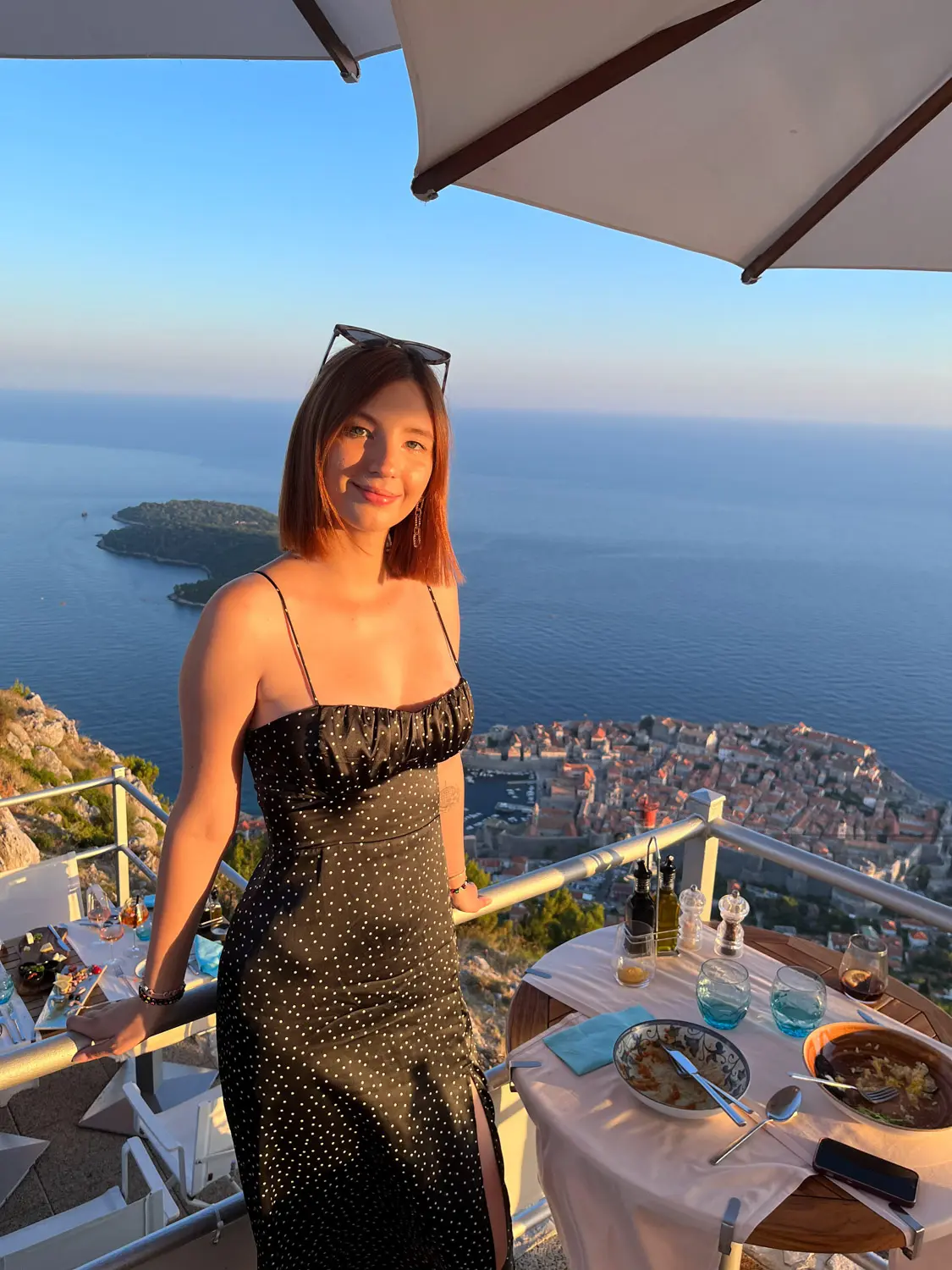
In the evening, take the cable car up to Mount Srd for sunset. The panoramic views over Dubrovnik’s Old Town, the Adriatic, and the surrounding islands are absolutely spectacular and make for the perfect final evening in southern Croatia. I highly recommend booking a table at Panorama, it’s one of the best memories I have from Dubrovnik!
Day 5: Dubrovnik
Start your final morning with a visit to Lovrijenac Fortress. This impressive fortress was once a key part of Dubrovnik’s defence system, and today it offers some of the best views of the Old Town and the Adriatic.
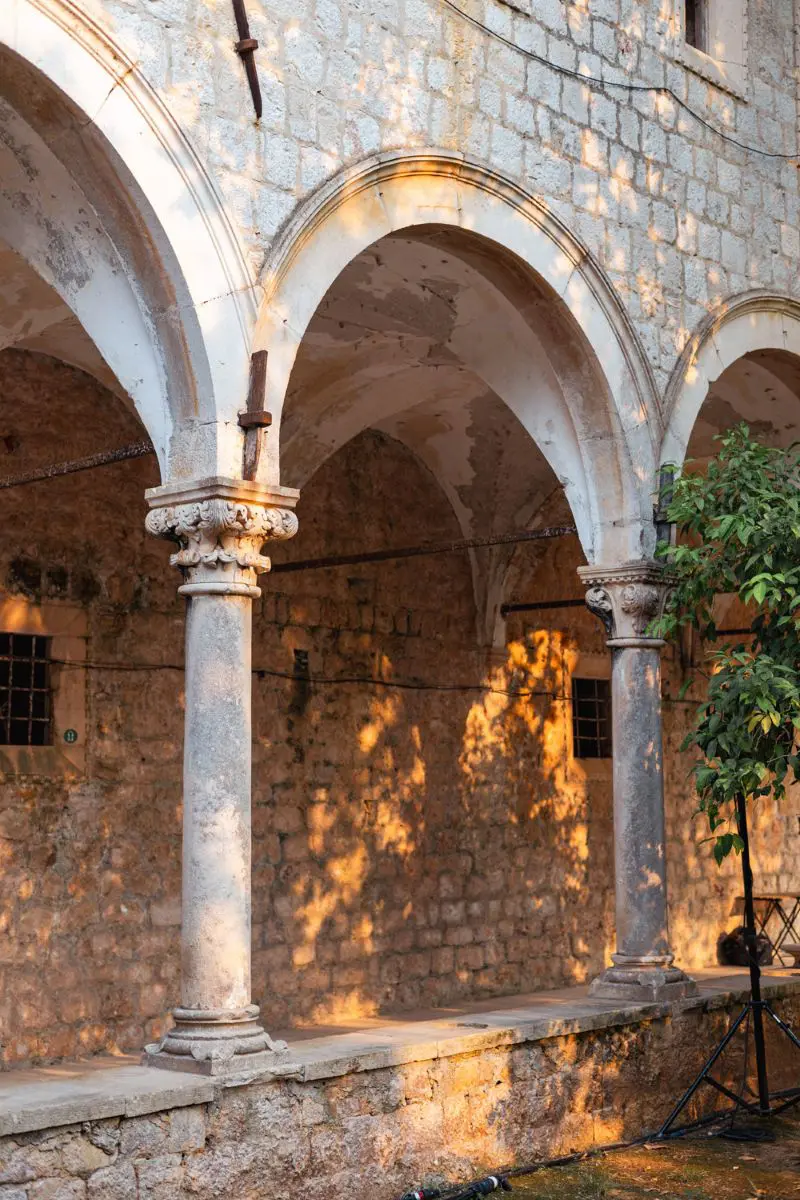
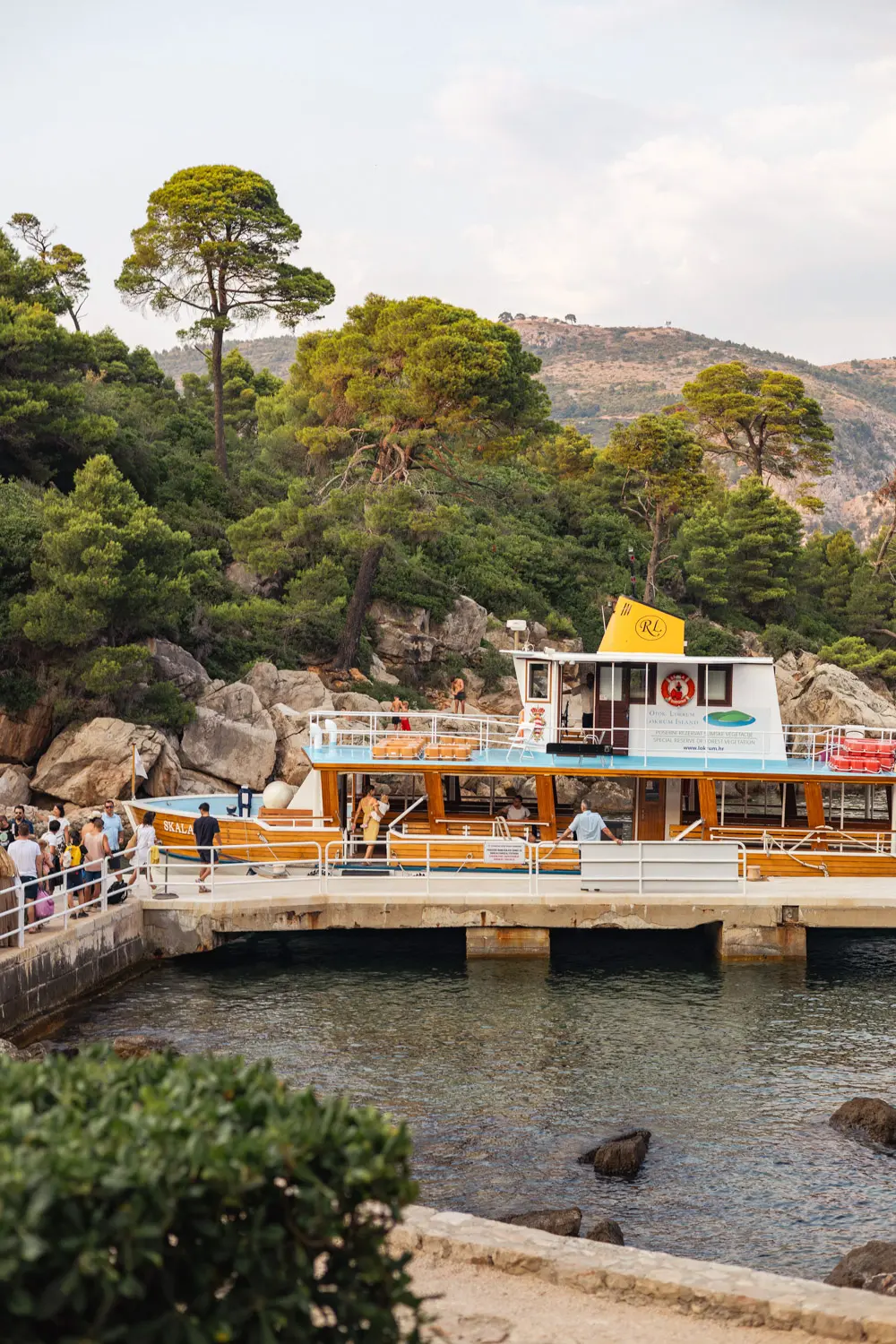
After that, hop on a boat to Lokrum Island, a peaceful, green oasis just a short ride from Dubrovnik. Spend a few hours exploring the island, relaxing by the water, and going for a swim. September is a great time to visit Lokrum because it’s noticeably quieter than during the summer, while the sea is still warm enough for swimming.
Once you’re back in Dubrovnik, make the most of your final few hours by wandering through the Old Town, grabbing a coffee or lunch, and enjoying the atmosphere one last time before saying goodbye to Croatia.

CONCLUSION: LOCAL’S TAKE ON CROATIA IN SEPTEMBER
Croatia is beautiful in September, and if you’re visiting southern Croatia, the weather can feel surprisingly similar to July or August, especially during the first half of the month. The crowds start to thin out, so everything is much more relaxed and enjoyable, while the sea is still warm enough for swimming.
I absolutely love spending September on the Croatian coast, and I’d highly recommend visiting during this month. You get the best of both worlds: plenty of sunshine and summer vibes, without the intense crowds and heat of peak season.
Helpful resources for planning your Croatia trip 🇭🇷
• Find your accommodation on Booking.com, Expedia.com or Hotels.com, depending on your budget and preferences
• Rent your car with DiscoverCars
• Buy your ferry tickets at Jadrolinija, TP Line, or Krilo
• Find your public transport options on Omio
• Get your e-Sim from SimLocal
• Grab your tours and entrance tickets at GetYourGuide, Viator, or Tiqets


renting a car, insurance and safety concerns
Hi Dan! Safety doesn’t have to be a concern, Croatia is extremely safe. Make sure you buy full insurance once you get here and you’ll be completely covered!
Hvala Karla!!
Is there a city bus at Dubrovnik airport into the old town, ploče Gate?
If so, are the buses now tap with credit card?
Shirley
Hi Shirley! There are shuttle buses that leave you at Ploce Gate, but you have to buy the tickets online on this website – https://platanus.hr/dubrovnik-airport-shuttle/
We have 11 cousins making the trip to Croatia in September 2027. We are looking for a private tour guide, transportation by sprinter van, train or other means to see different areas including Zagreb and Zupanja. Any companies you can recommend that I can reach out to for these services?