CROATIA IN MARCH: WEATHER, THINGS TO DO AND SEE, AND OTHER TIPS!
If you’re thinking about visiting Croatia in March, I’ll help you decide whether it’s a good idea with this detailed guide!
As a local Croatian, I’ve truly explored the country in every season and almost every month. Some are definitely better than others, but each season is special in its own way. While March won’t give you that typical Croatian holiday (like beaches and swimming) it can still be incredibly charming, especially if your goal is to explore the country without the summer crowds.
I’ll walk you through everything you need to know about visiting Croatia in March, so you can decide whether it’s the right month for you and why it might actually be a great time for your trip!
WEATHER IN CROATIA IN MARCH
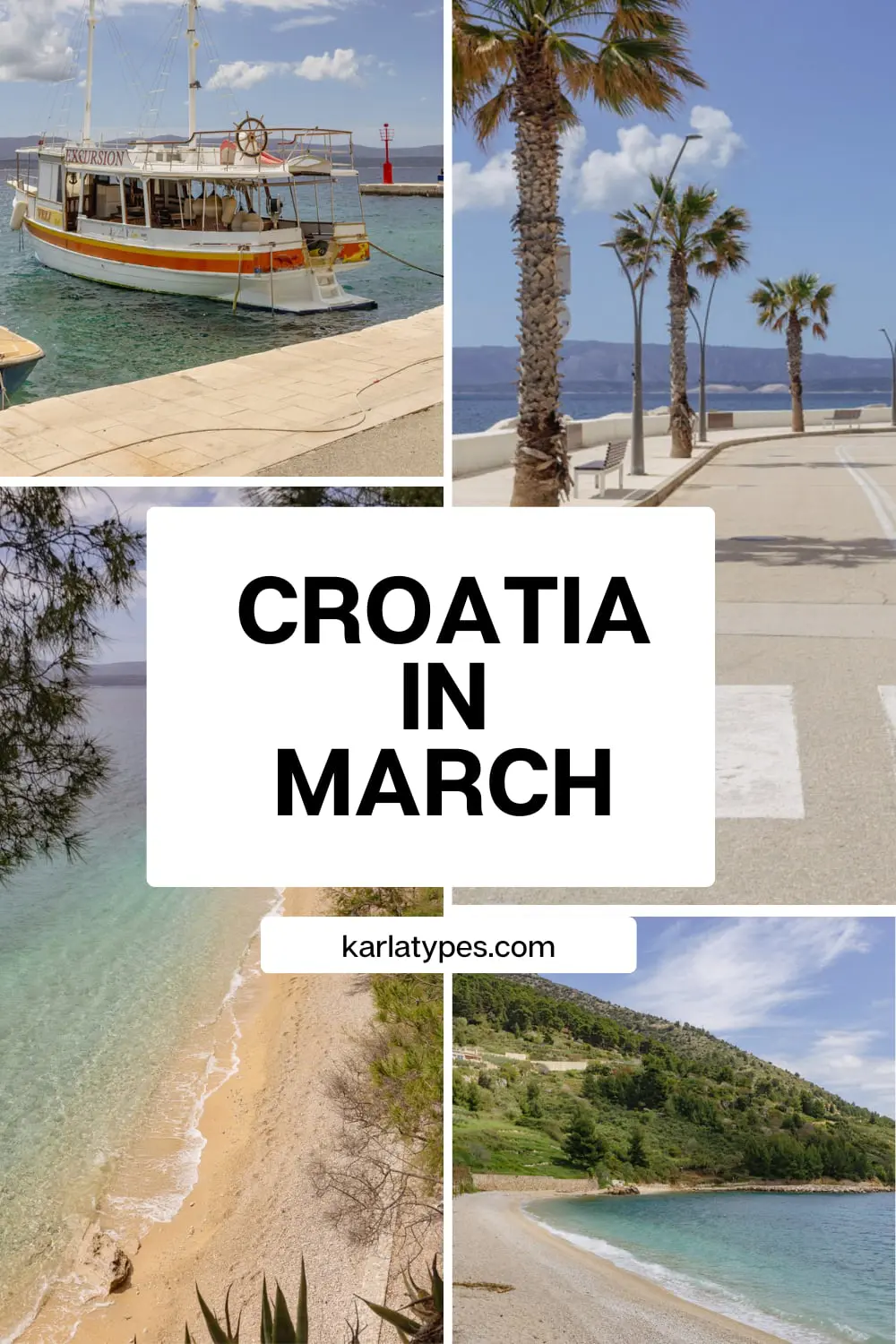
Weather-wise, March in Croatia can truly be tricky, which is why many people are hesitant to visit during this month. March is a real transition month, so you can experience a bit of everything. You can definitely get early spring sunshine, but rain and even quite low temperatures are also very common.
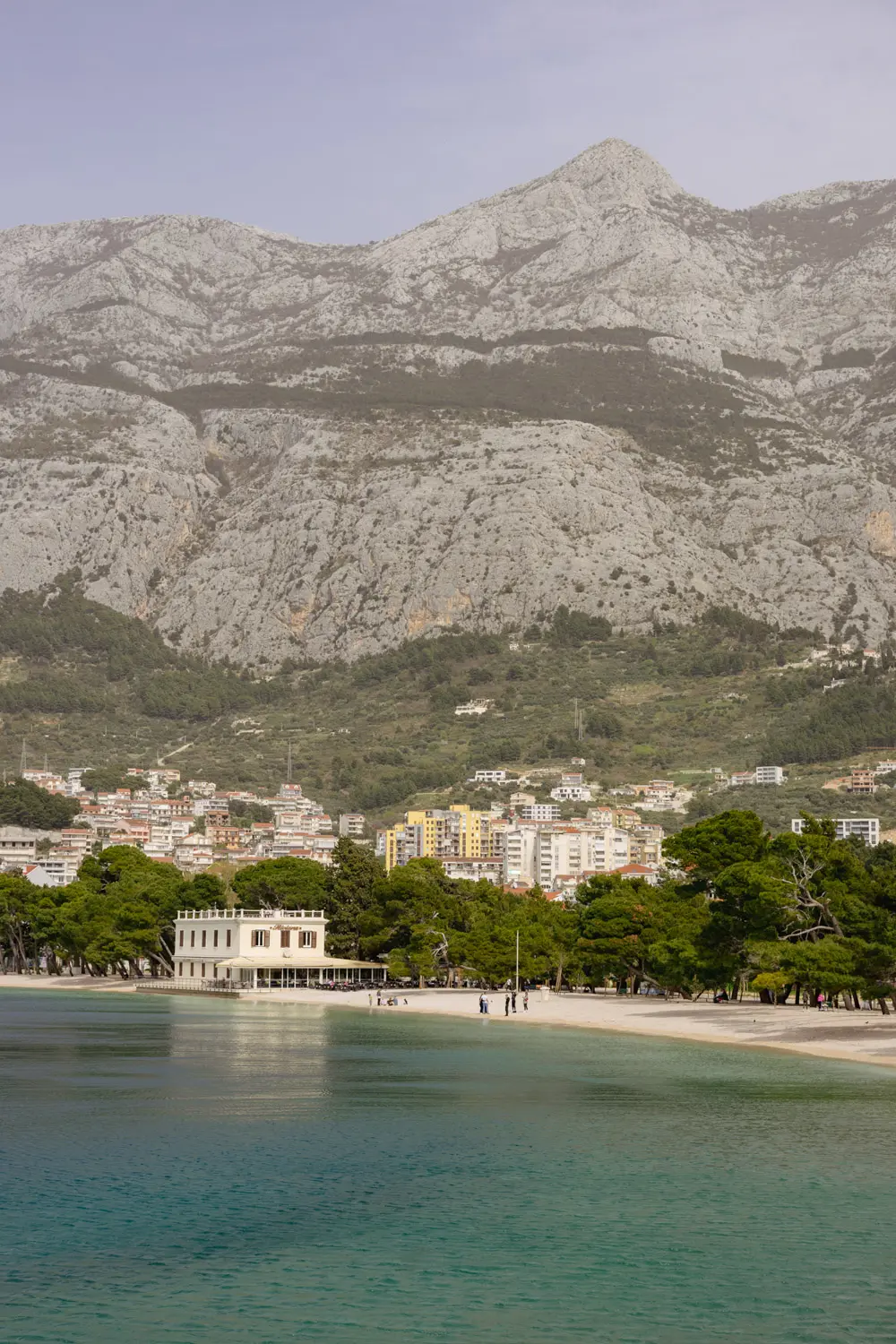
If you’re visiting the coast (cities like Dubrovnik, Split, and Zadar) you can expect higher daytime temperatures, usually between 12–17°C (54–63°F). On especially sunny days, it can feel even warmer, which is honestly such a nice surprise. Evenings, however, are quite chilly and often drop below 10°C.
If you’re heading to Zagreb or other inland areas, temperatures are lower, typically between 8–14°C (46–57°F). In higher elevation areas like Plitvice Lakes National Park, it can be even colder. Evenings inland feel especially cold compared to the daytime.
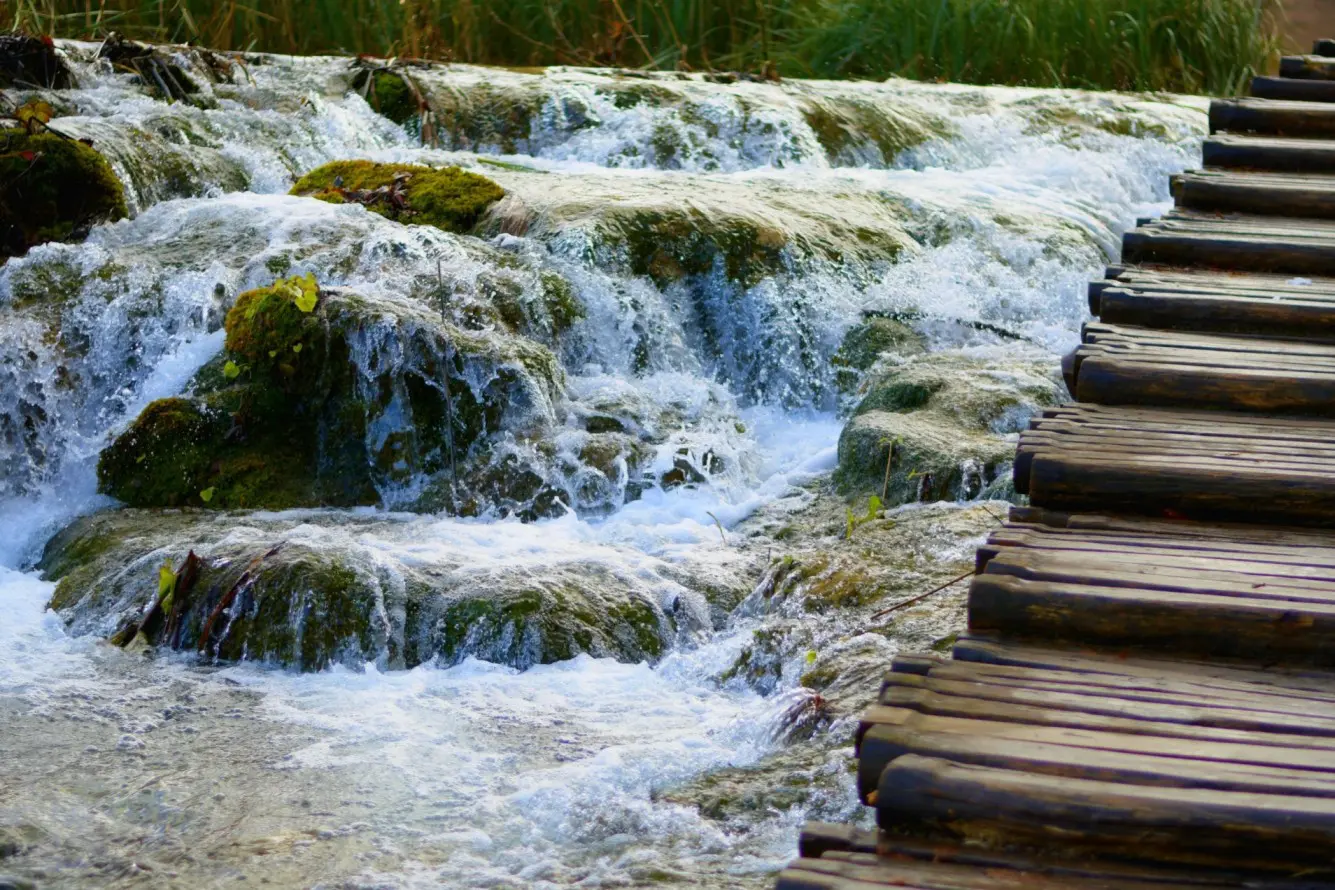
Rain is fairly common in March, with around 8–13 rainy days on average, so it would be quite lucky to have a completely sunny trip. The upside, though, is that waterfalls are often at their most powerful thanks to melting snow and spring rain. That means both Plitvice Lakes National Park and Krka National Park look absolutely stunning at this time of year.
Overall, March is definitely not beach weather, and you won’t get that classic Croatian holiday filled with swimming and boat tours. However, it’s actually a fantastic time for sightseeing, since you won’t be exhausted by the intense summer heat!
HOW TO DRESS AND WHAT TO PACK FOR CROATIA IN MARCH
If you’re visiting Croatia in March, you really have to be smart about packing. March is all about versatility. You can’t pack like it’s July with just a few light outfits and loads of swimwear.
The weather can shift from sunny to windy, cloudy, or rainy all in one day, so layers are essential. I’d recommend bringing long-sleeve tops, a few t-shirts, light sweaters, and a medium-weight jacket (ideally waterproof or at least water-resistant). Longer skirts and pants are a must, it’s simply not warm enough for shorts or summer dresses most of the time.
Comfortable, sturdy walking shoes are absolutely necessary. Croatia’s old towns, especially in places like Dubrovnik and Split, are full of polished stone streets that can become very slippery when wet. You’ll need to be careful walking through the old towns and along the city walls. If you’re planning to visit Plitvice Lakes or Krka National Park, go for sturdy sneakers or proper hiking shoes. While there are wooden walkways, there’s often plenty of water and sometimes mud.
I’d still suggest packing sunglasses, because sunny days can be surprisingly bright. And if your hotel has a spa or heated indoor pool, definitely bring your swimwear too!
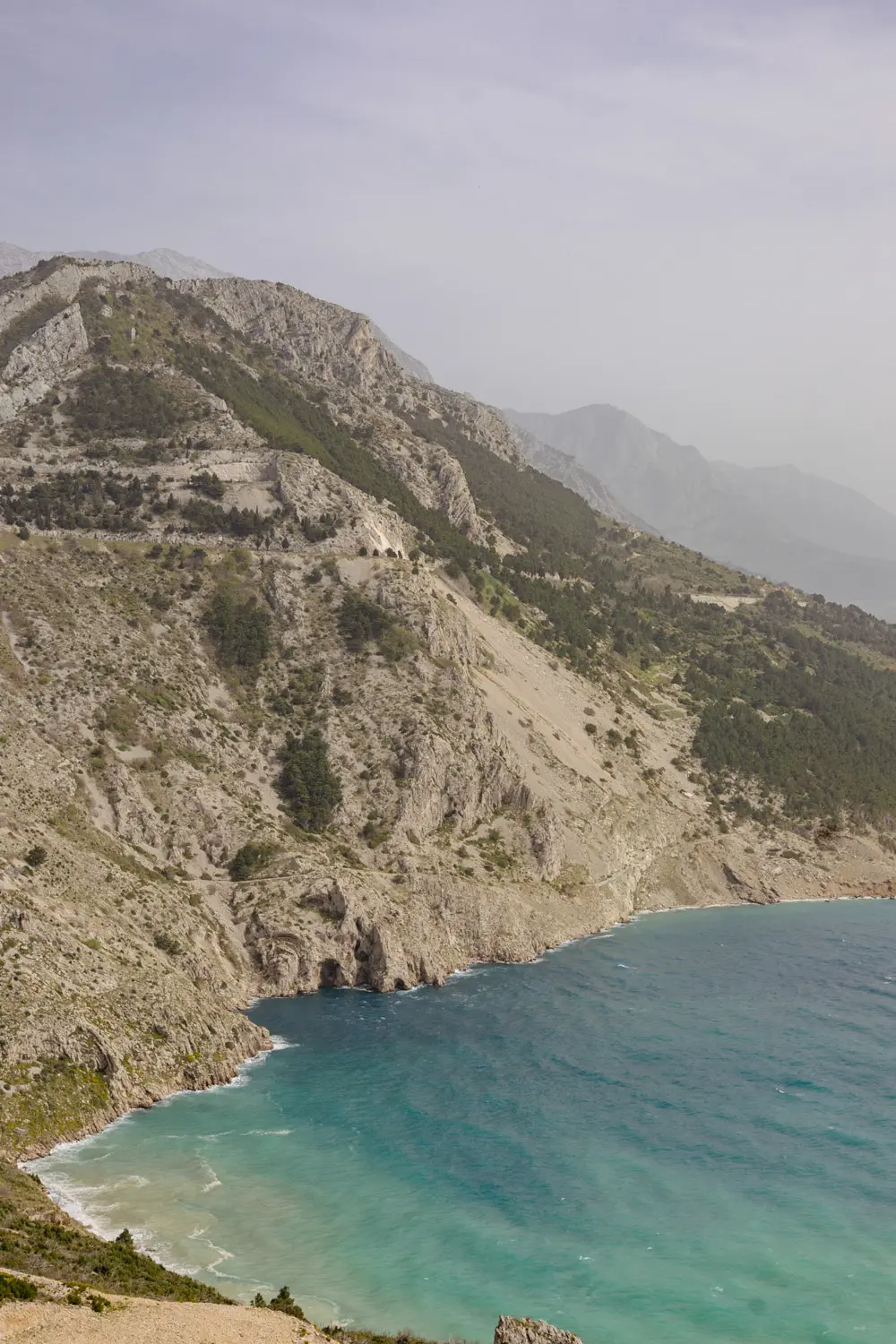
WHERE TO GO IN CROATIA IN MARCH
Here are some of my personal recommendations on where you should go if you decide to visit Croatia in March!
COASTAL CROATIA
March is one of the best times to experience coastal Croatia without the overwhelming summer crowds. That’s exactly why I love exploring Croatia in the off or shoulder season, although we usually properly start our trips in April.
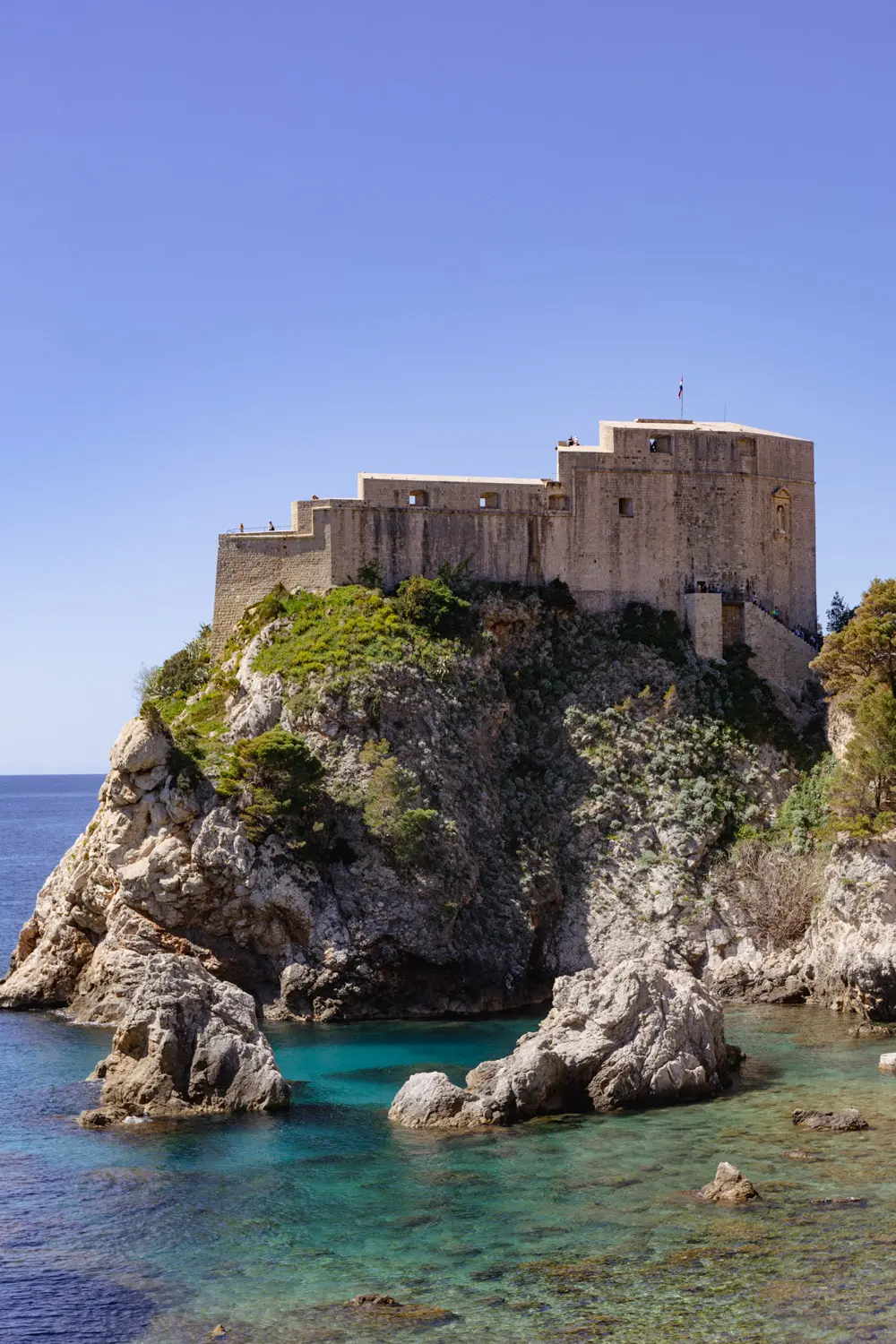
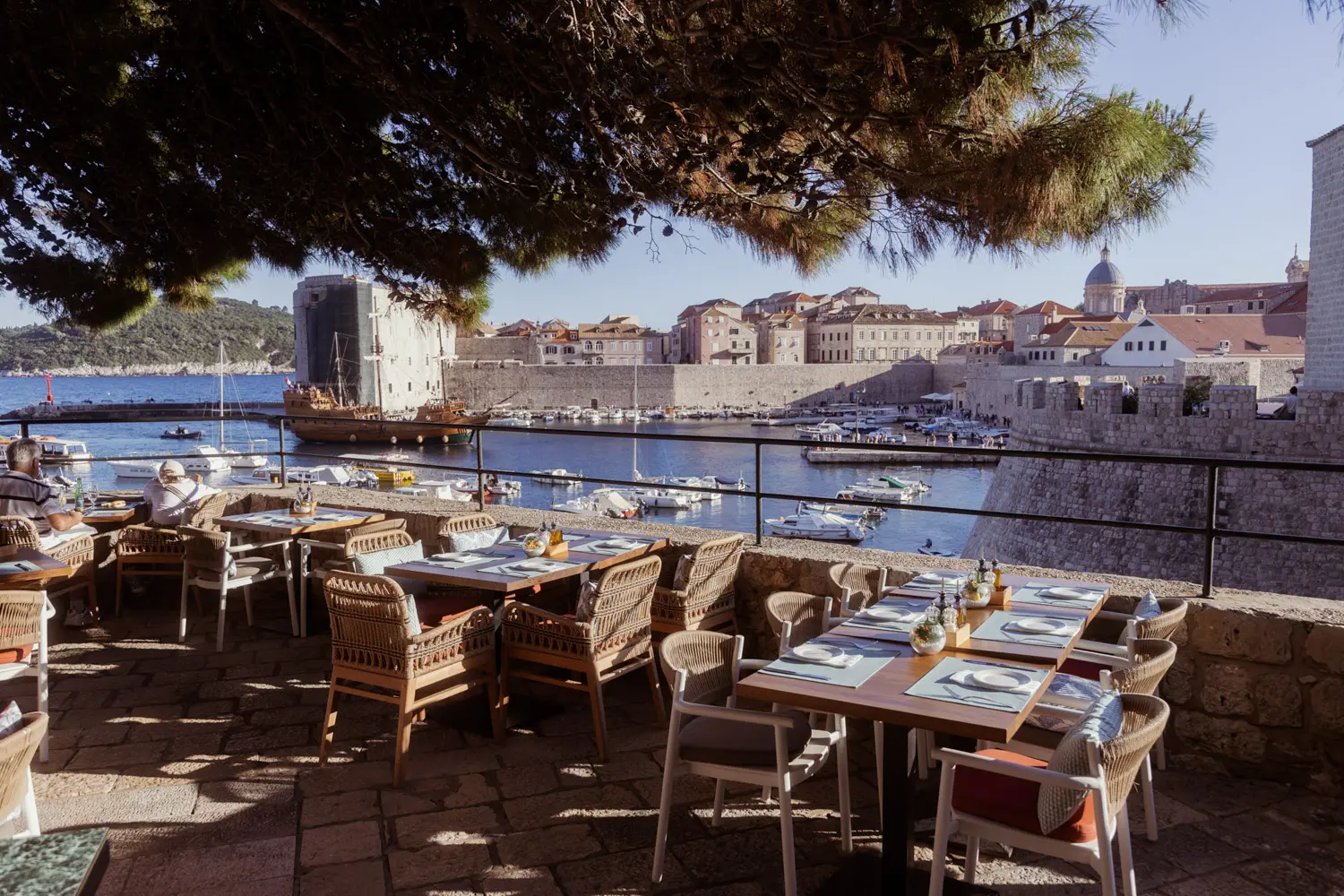
In Dubrovnik, you can walk the medieval city walls almost alone, which is practically impossible in July or August. The Old Town feels much more authentic because it’s not overflowing with tourists. Dubrovnik still gets visitors, don’t get me wrong. Cruise ships arrive regularly, and somehow as soon as the sun comes out, so do the tourists. But it’s nowhere near the volume of the peak summer season.

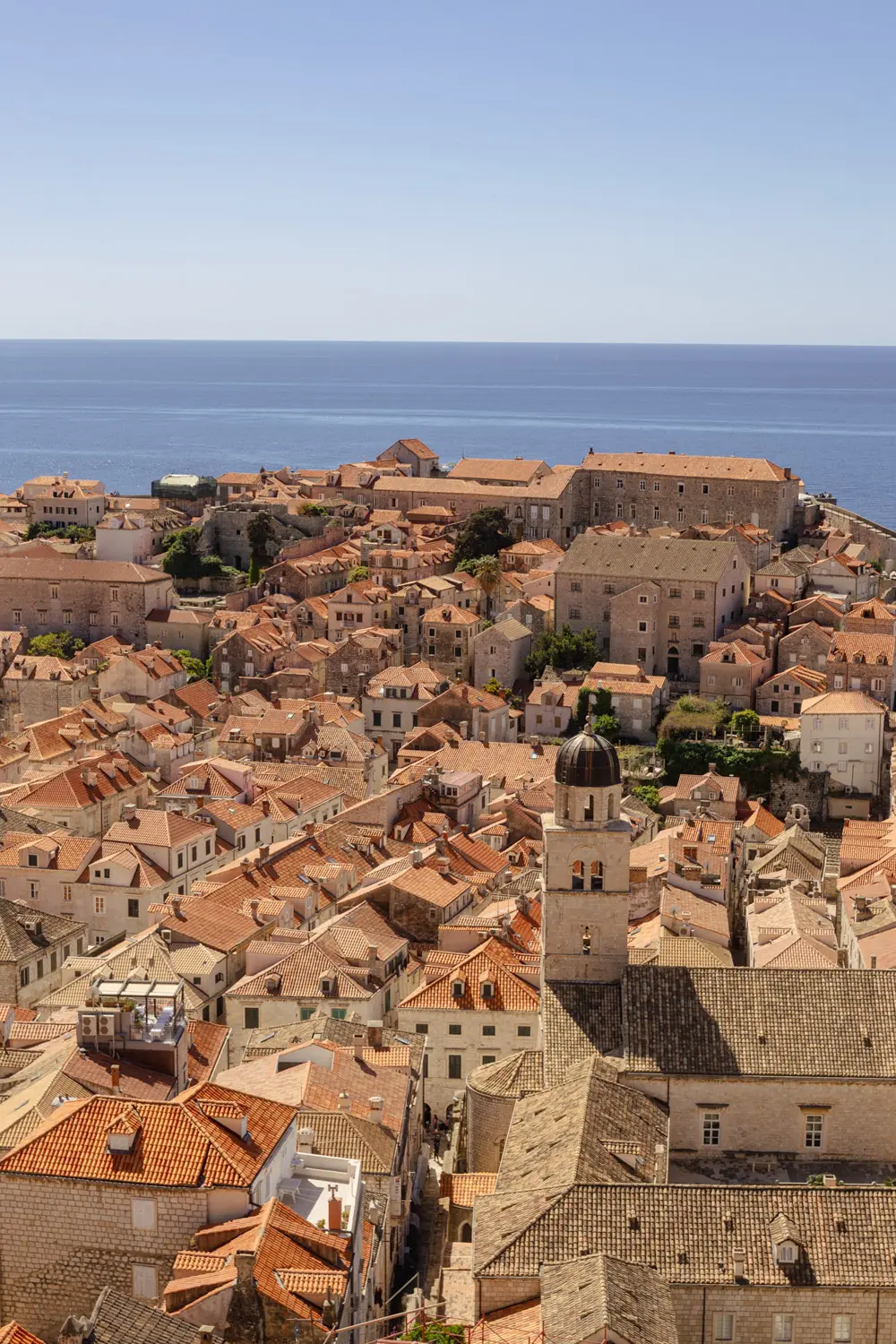
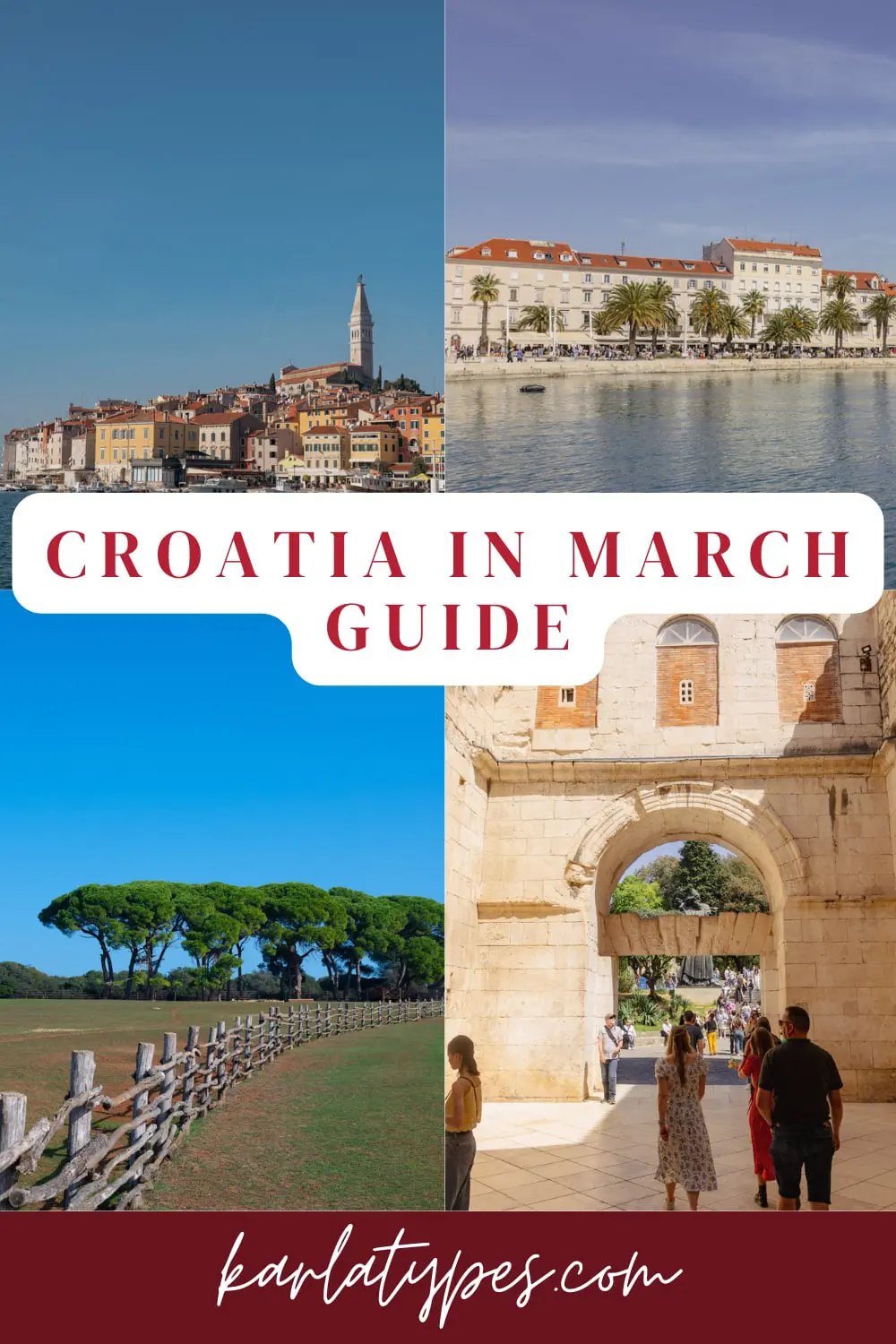
Split is lively year-round because it’s Croatia’s second-largest city, not just a tourist hotspot. That means you get to see a more local and authentic side of the city. You can explore Diocletian’s Palace in a much more relaxed way, and actually sit at a café on the Riva without fighting for a table.
Istria is also absolutely stunning in March. We visit often in the off season (basically whenever there’s a sunny weekend) and we love it every time. Rovinj and Groznjan are my two favourite places in Istria, and you can even visit Brijuni National Park without crowds, so you basically have the whole island to yourself.
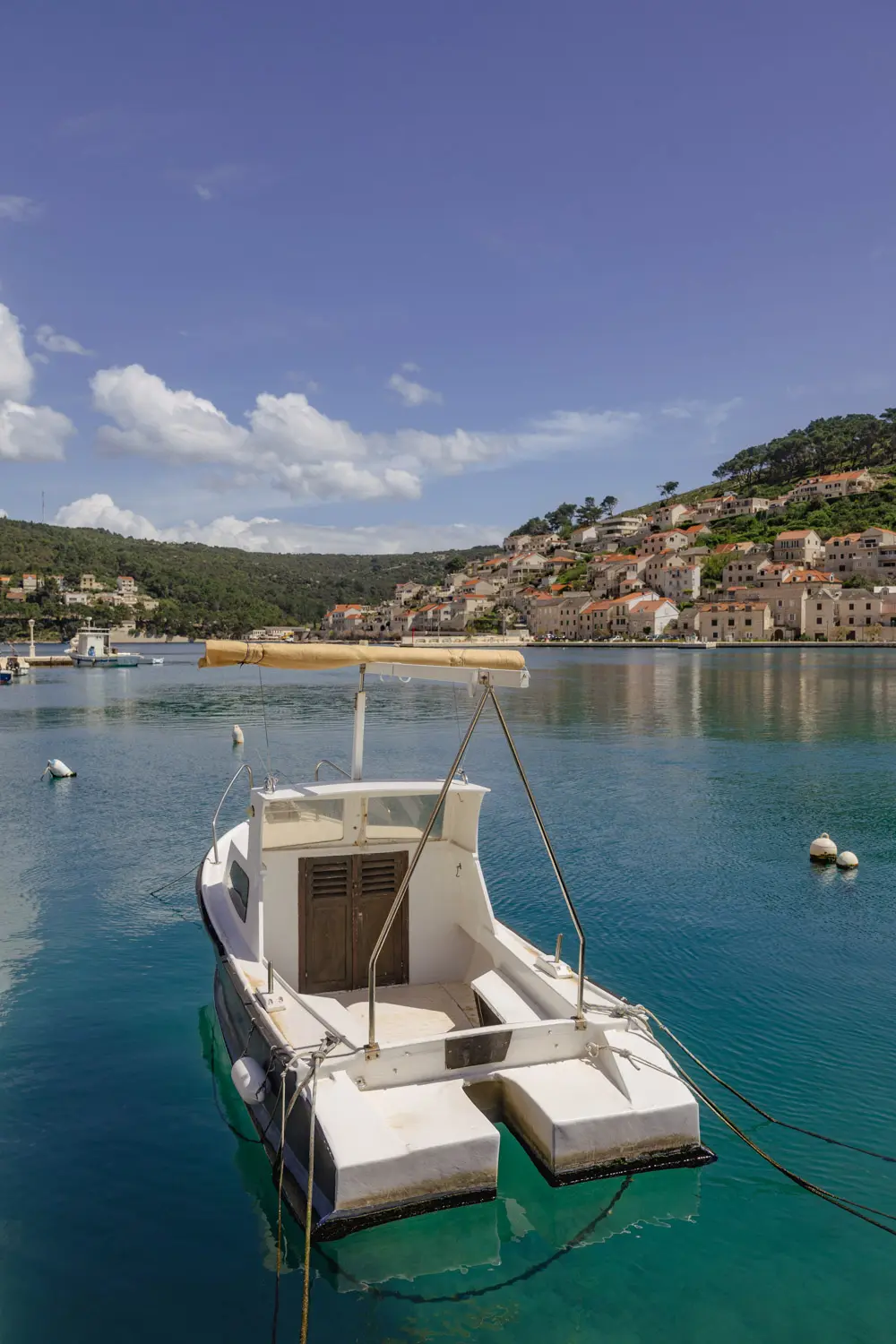
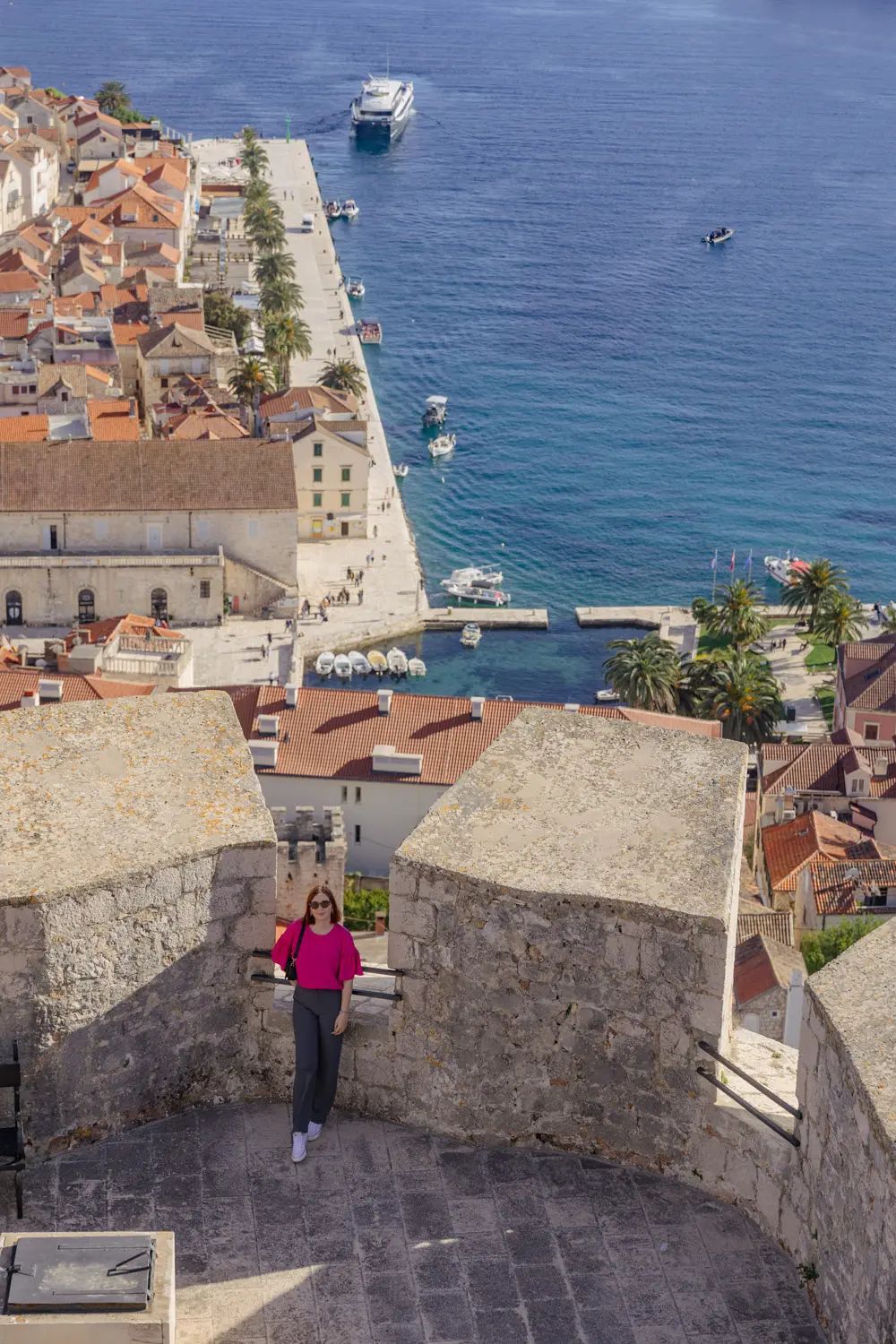
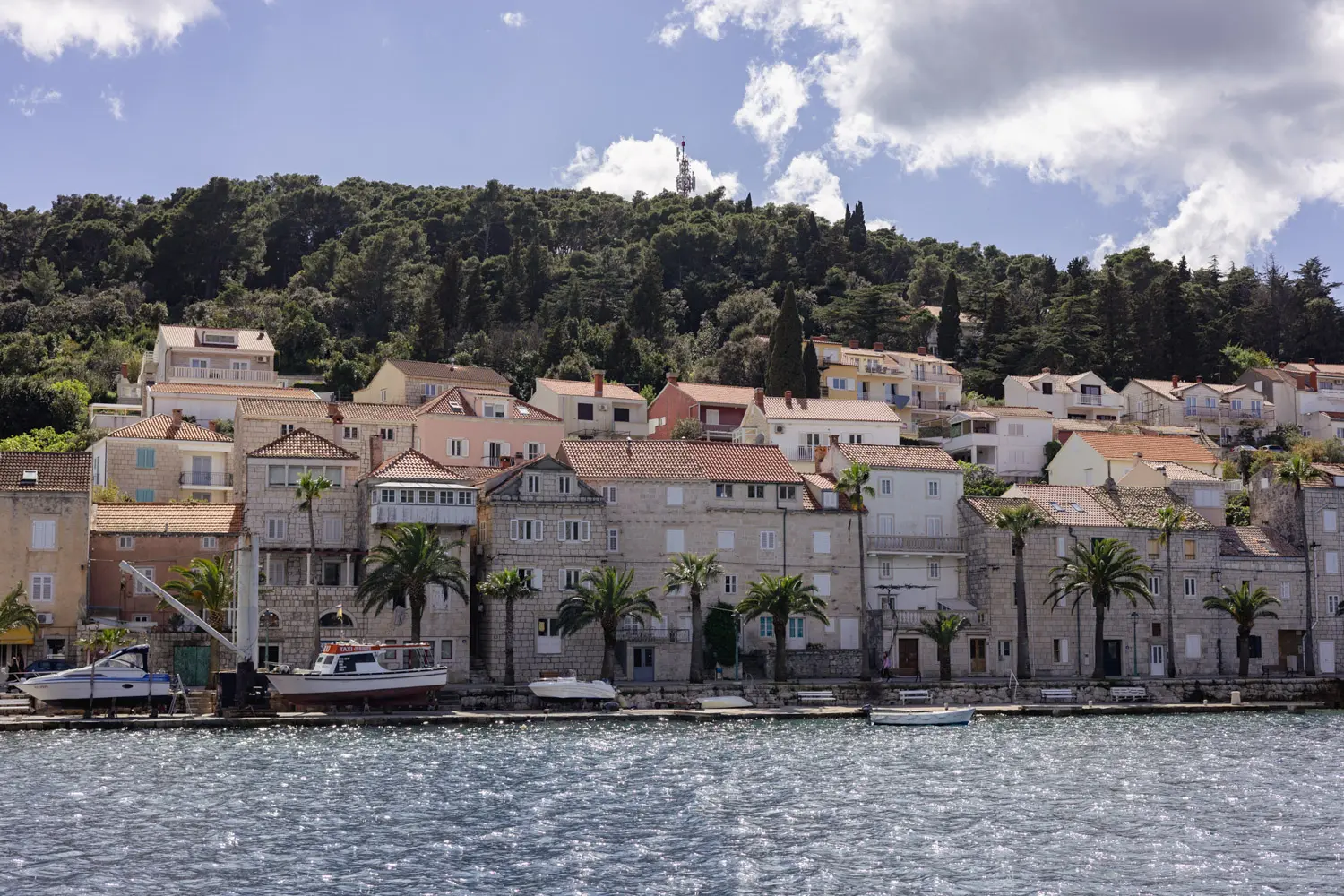
Finally, even though ferry routes operate on reduced schedules mainly for locals, you can still visit larger islands like Hvar or Korcula. You won’t be sunbathing on the beaches, but the old towns are absolutely beautiful (and almost tourist-free) so they’re still worth visiting.
INLAND CROATIA
If you’re visiting inland Croatia, you’ll also have a wonderful experience. Inland Croatia feels even more local and peaceful, especially in March. There really aren’t many tourists at that time of year, not even in Zagreb.
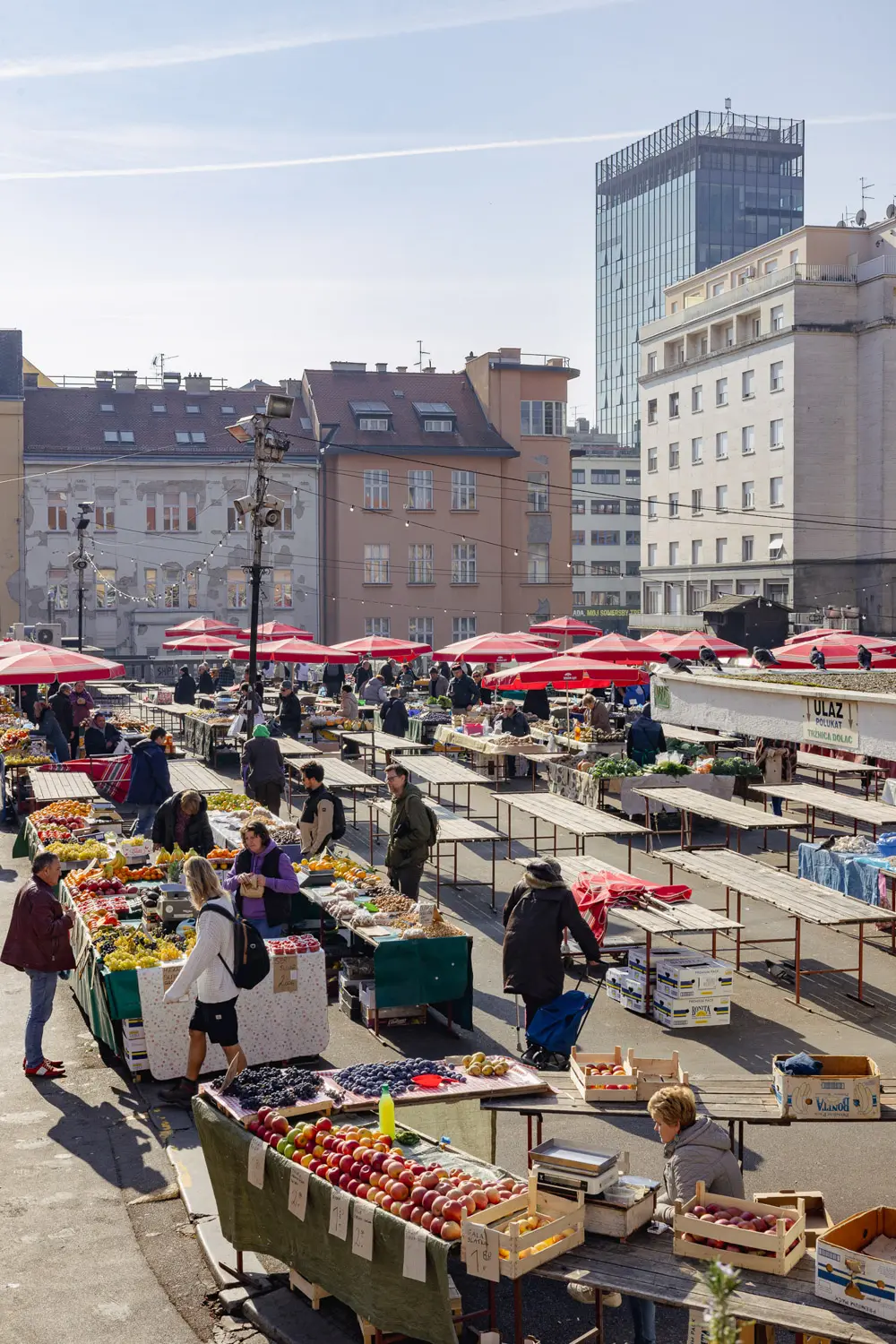
I have to say, Zagreb is actually quite charming in March. Café terraces slowly start opening and filling up on sunny days, because we can’t wait for those first warm, sunny moments of the year. The Upper Town is calm and authentic without the crowds, and a walk through Maksimir Park or around Jarun Lake is especially lovely.
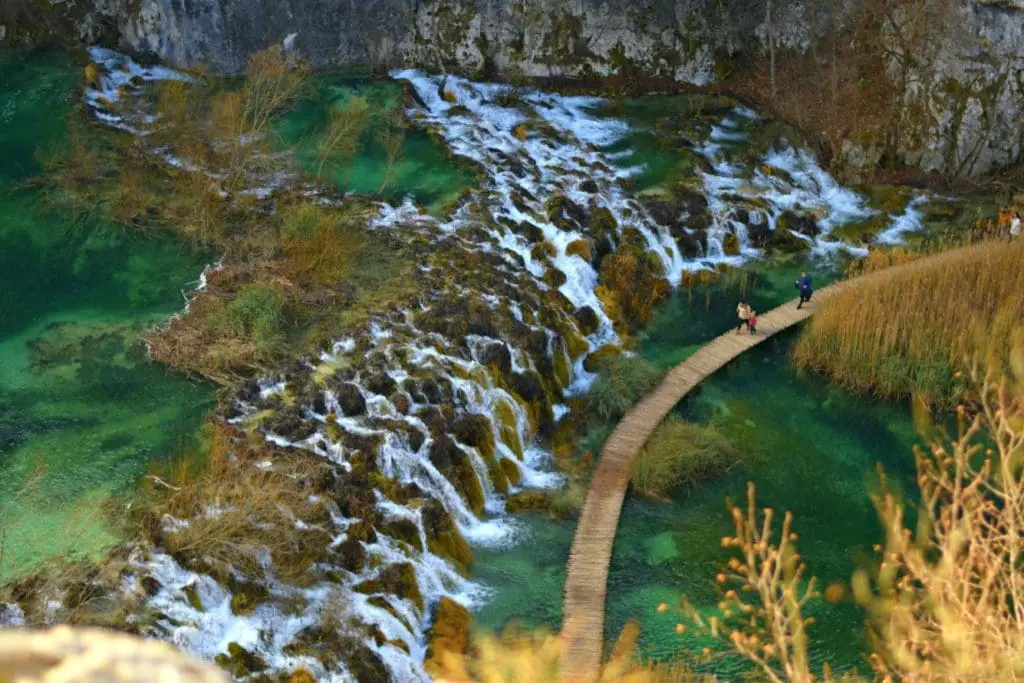
If you’re planning to visit Plitvice Lakes National Park, you’ll see powerful, full waterfalls and enjoy peaceful walks with almost no crowds. I do have to admit that the lack of greenery can feel a little sad but the waterfalls are still impressive enough on their own.
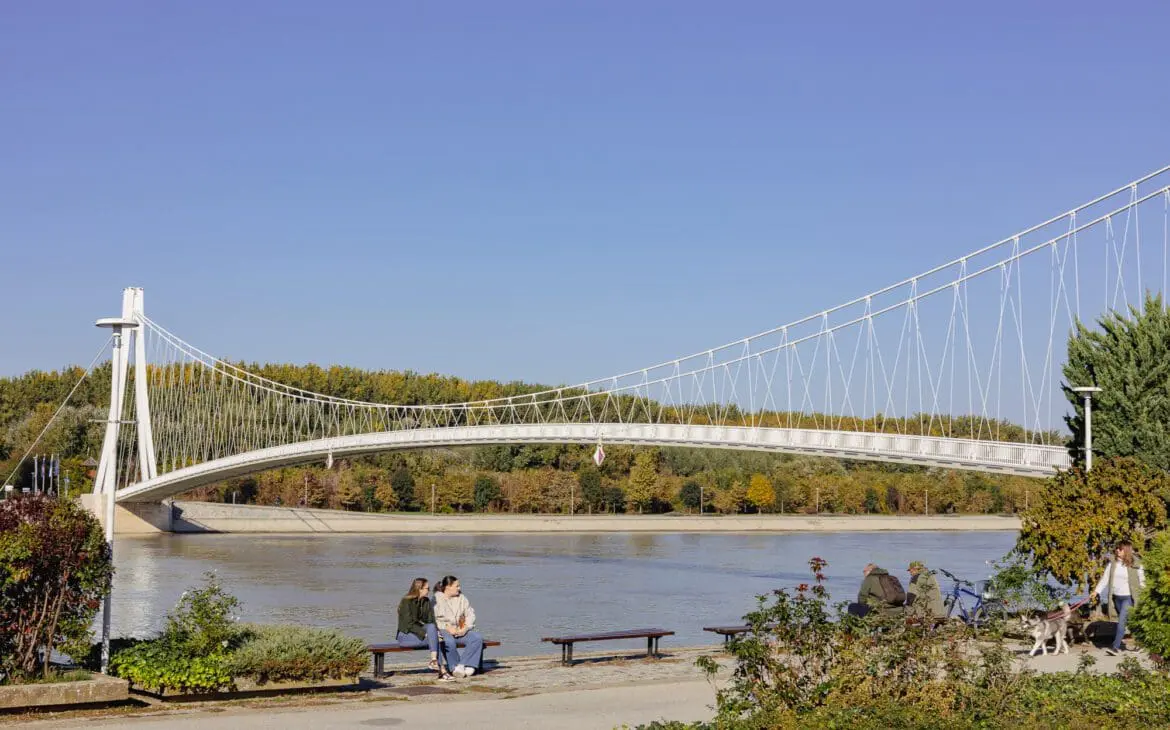
I’d also recommend heading to Slavonia in March. It’s one of the calmest and most authentic parts of Croatia, where you can really immerse yourself in local culture. The food there is incredible, and overall you’ll experience a completely different, more traditional side of Croatia.
WHAT TO DO AND SEE IN CROATIA IN MARCH: MY SUGGESTED ITINERARY
If I had 7 days to visit Croatia in March, this is exactly how I would do it:
Day 1 is for Zagreb
Fly into Zagreb. It’s probably the only Croatian airport with strong, year-round connections across Europe in March, while Dubrovnik and Split tend to have more seasonal flight options.
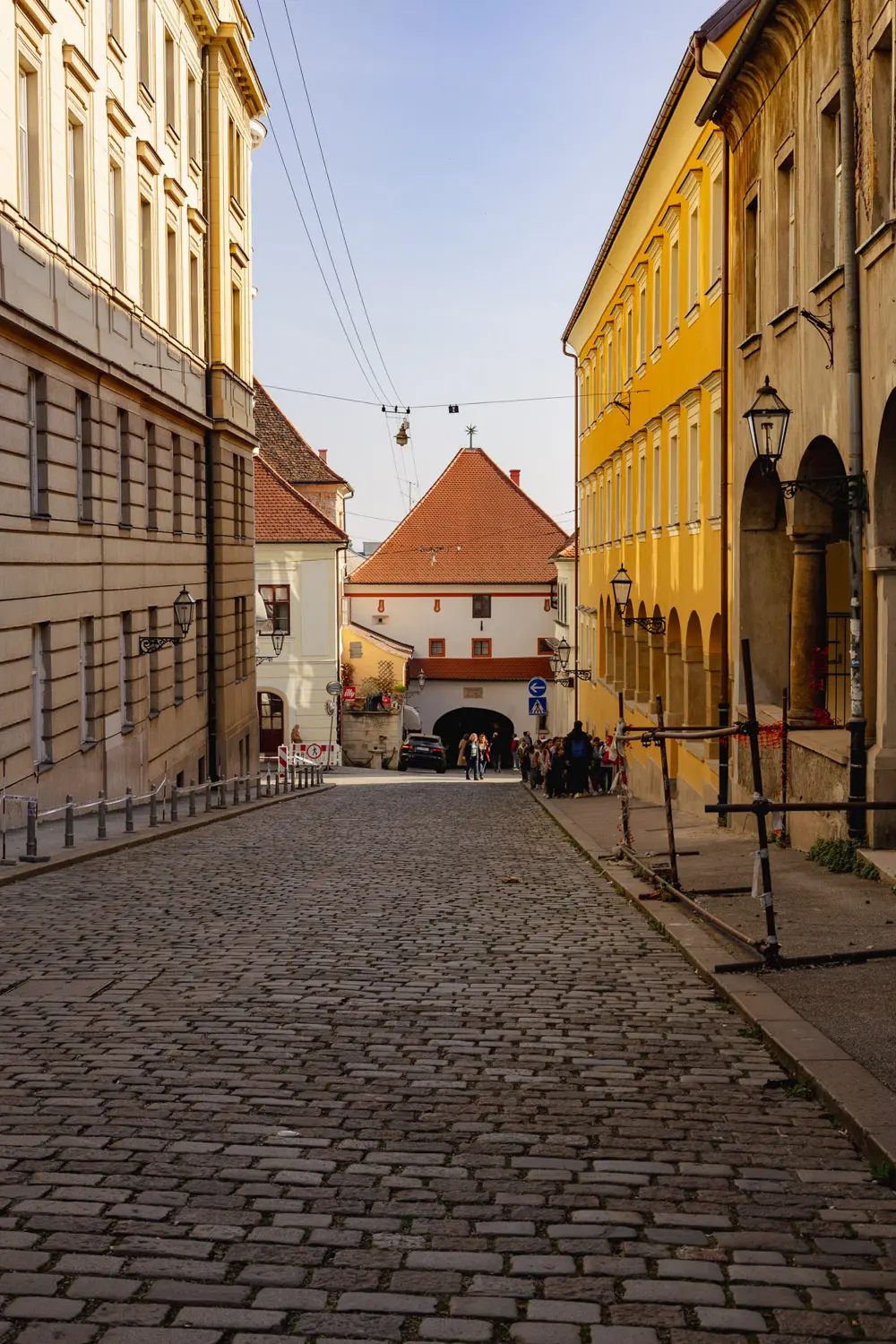
Spend your time exploring both the Lower Town and Upper Town, and if it’s sunny, enjoy a walk through Maksimir Park or the Botanical Garden. If the weather turns rainy, explore some of Zagreb’s museums instead.
Day 2 is for Plitvice Lakes
Start your journey to Plitvice Lakes National Park early in the morning. You can either rent a car and go on your own or book a guided tour that will take you there. If you’re driving yourself, make sure to stop at Rastoke, a charming little village known for its waterfalls and traditional houses.
Plan to spend around 4–5 hours exploring the lakes and wooden walkways. In the afternoon, you can continue your journey toward Split, or if you’re on a tour, return to Zagreb and then head to Split the following day.
Day 3 and 4 are for Split
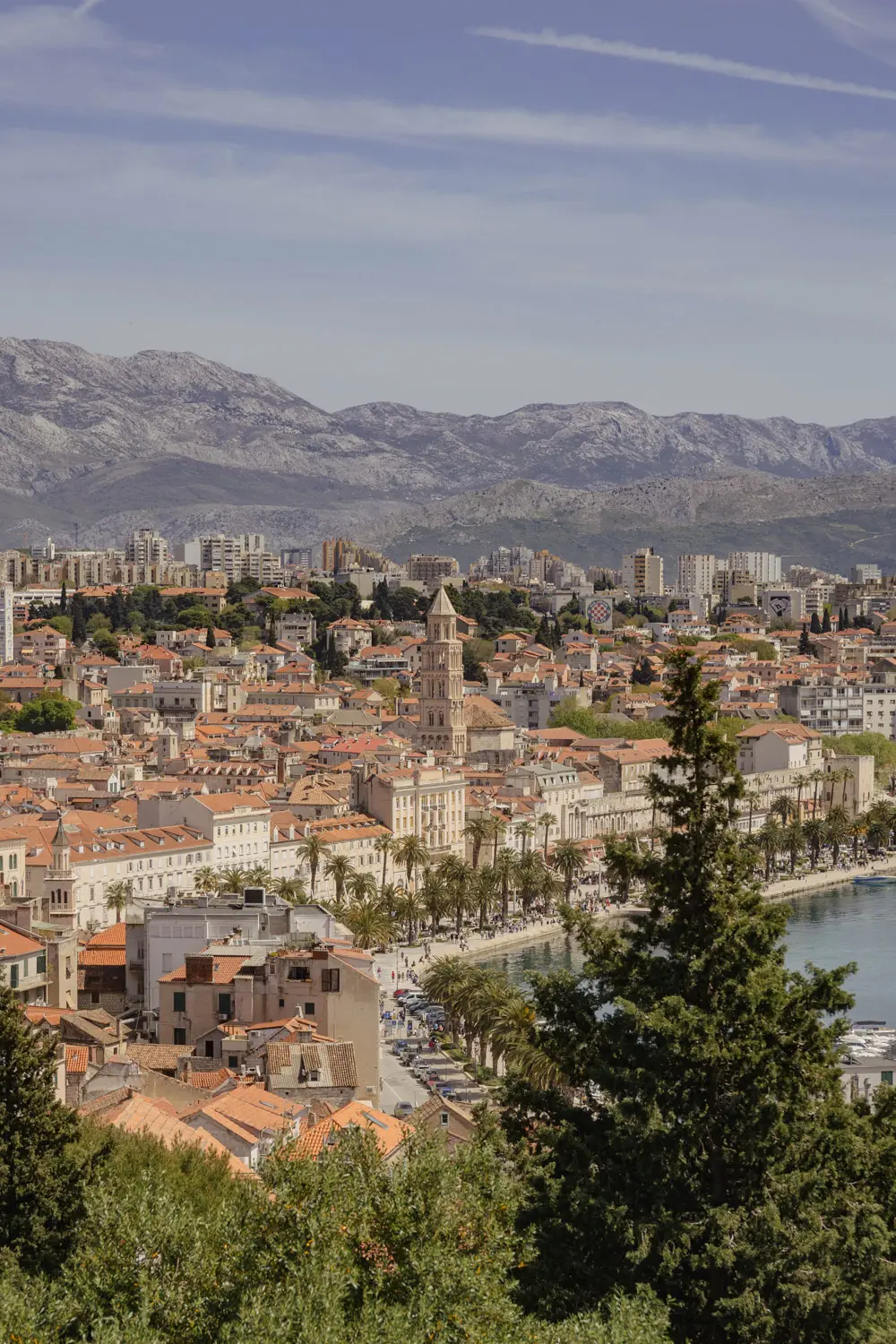
Use your first day to explore Split. Wander through the Old Town, explore Diocletian’s Palace, stroll along the Riva promenade, and then hike up Marjan for incredible views over the city and the Adriatic.
On your second day in Split, plan a day trip. I’d recommend visiting Kastela (especially if you’re interested in wineries) and combining it with Trogir for a lovely coastal experience. Or you can take a ferry to Hvar for a beautiful island day trip!
Day 5 is for a slow drive to Dubrovnik, with a stop on Peljesac
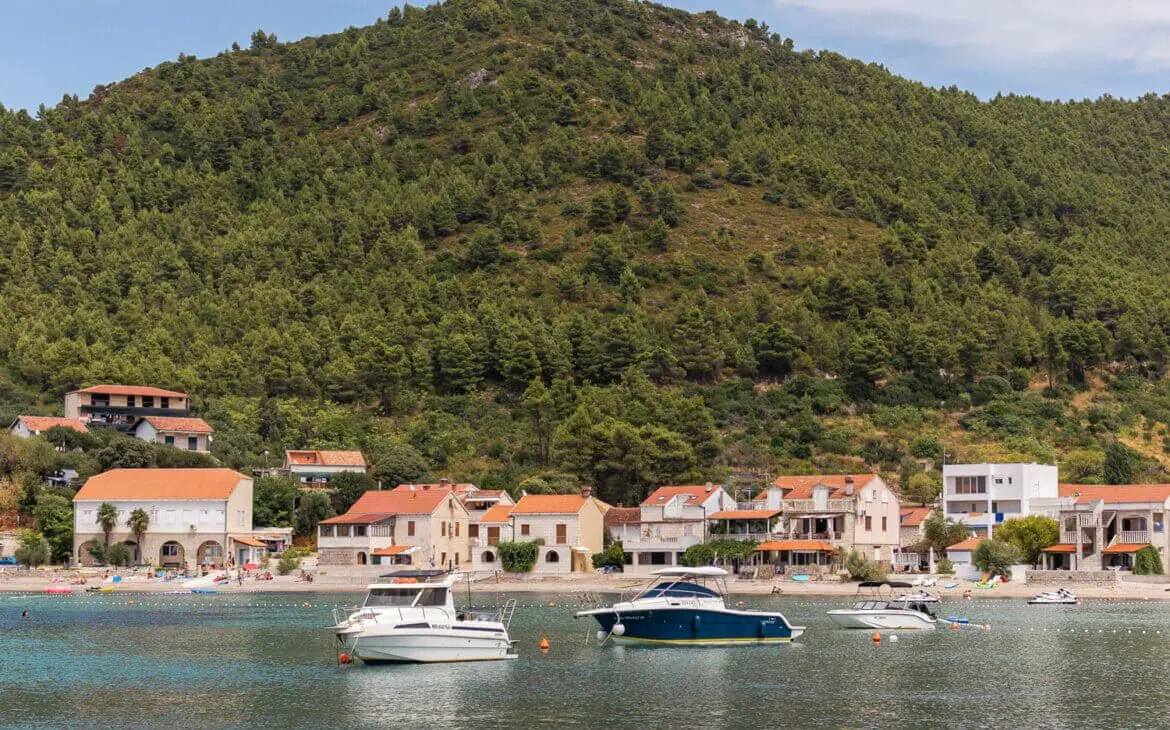
On your way to Dubrovnik, make a stop at Peljesac, the best spot in Croatia for wineries and fresh seafood. Explore the charming town of Ston and its impressive walls, and then go to an oyster tasting at Villa Koruna or Bota Sare. If you’ve previously visited Hvar, and not wineries in Kastela, make sure you visit at least one winery on Peljesac!
Day 6 and 7 are for Dubrovnik
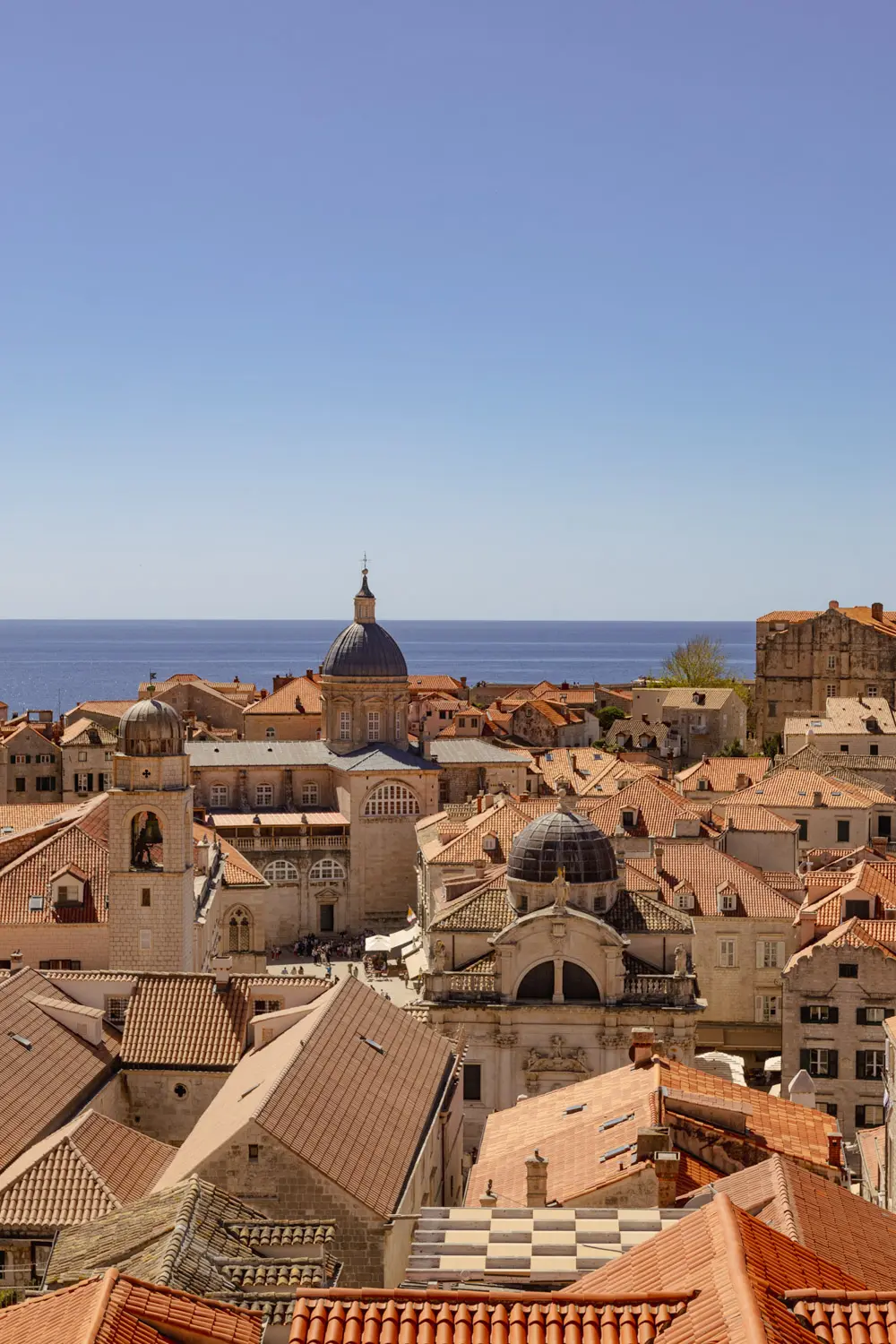
On your first day in Dubrovnik, start by exploring the Old Town and take a walk along the city walls for breathtaking views of the Adriatic. For lunch, if it’s sunny, I recommend Panorama Restaurant, which will give you incredible views. If the weather is rainy, enjoy a great meal at Dubravka or Kavana Arsenal.
In the afternoon, explore Fort Lovrijenac and some of Dubrovnik’s fascinating museums. The next day, enjoy a relaxed morning in the city before either flying out of Dubrovnik or returning to Zagreb.
I have several other itineraries for Croatia that are longer, shorter, or just different. You can check them out below!
THINGS YOU MUST KNOW BEFORE VISITING CROATIA IN MARCH
You can’t swim in the sea
In March, the Adriatic Sea is still quite chilly, even if the sun feels warm during the day. Sea temperatures are usually around 12–14°C (54–57°F), so taking a dip is very unlikely for most visitors. Locals who are brave swimmers might start in late April, but the majority won’t enter the sea until late May or early June.
If swimming is important during your March trip, book hotels with heated pools so you can enjoy the water comfortably despite the cooler sea temperatures.
Sunny weather is not guaranteed
As I mentioned earlier, March weather in Croatia is really unpredictable, so it’s best to be prepared for anything. You could be lucky and get 7 sunny days in a row, but it’s also possible that the week is cold and rainy. Pack layers, waterproof items, and good shoes, and just hope for the best. You never know which version of March you’ll get!
Ferries are still limited
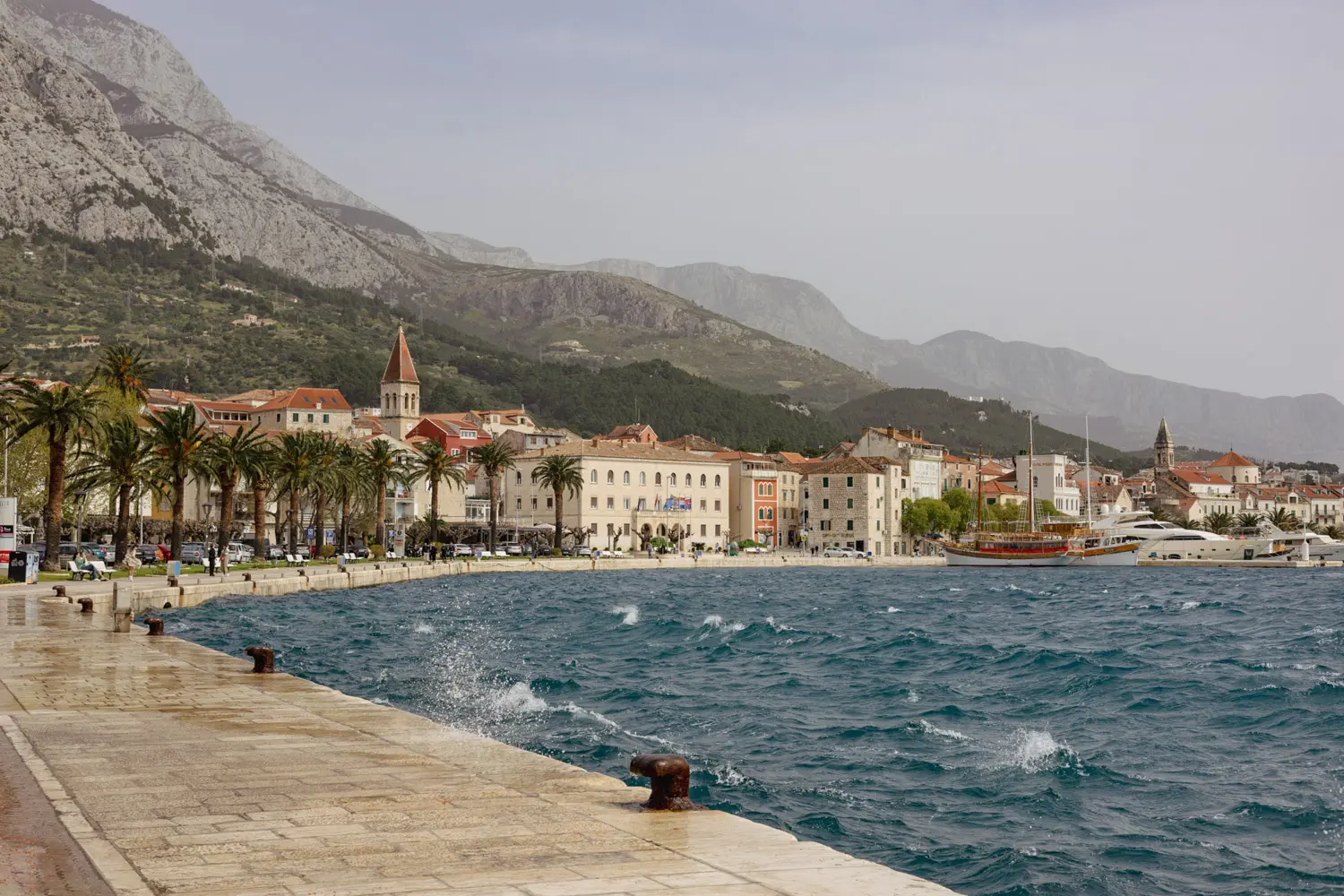
Ferry schedules in Croatia are limited during the off and shoulder seasons. The updated, full schedules usually start in June, so before that there are only a few ferries running each day, mainly enough for locals to commute to and from the islands.
If you’re traveling in March (or other off-season months), plan your ferry trips carefully. Missing a ferry could complicate your itinerary, so always check the timetable in advance and consider booking in advance when possible.
Many businesses are still closed
In Croatia, many restaurants, cafés, shops, and tour operators are seasonal, usually open only from May to October. While bigger towns still have some options in March, a lot of places won’t be operating.
If you want to eat at a specific restaurant, rent a car or scooter, or take a boat tour, you’ll need to do proper research in advance to make sure it’s even possible. In smaller, seasonal villages, almost everything is completely closed during March, so plan accordingly to avoid disappointment.
Flights and accommodation are cheaper
One of the biggest advantages of visiting Croatia in March is the affordability. Off-season plane tickets, especially to Zagreb, can be incredibly cheap. Accommodation prices are also significantly as cheaper. Some of the most popular hotels in Hvar or Dubrovnik that cost €600+ per night in peak season can be found for under €200 per night in March.
Rental cars are also much more budget-friendly during this time, so this is the perfect opportunity for a more affordable Croatian holiday if you’re flexible with weather and seasonal activities.
You’ll avoid the crowds
And finally, another huge advantage of visiting in March is the lack of crowds. Even usually busy places like Dubrovnik, Hvar, and Split are much quieter compared to the peak summer months. This gives you the chance to explore the destinations more like a local, enjoy the sights without long lines, and really enjoy the authentic atmosphere of Croatia!
FAQ – CROATIA IN MARCH
Is it worth visiting Croatia in March?
That really depends on what you’re looking for. If your priority is sunny weather, warm temperatures, and swimming in the sea, then March isn’t that great. However, if you want to experience authentic Croatia, explore without the crowds, and focus on sightseeing, March can be a great choice.
Personally, I’d recommend waiting until April. The weather is usually a bit warmer, there are more sunny days, and you can still enjoy a quieter experience.
Is March too cold for Croatia?
It’s generally not too cold in March. Temperatures are usually around 15°C (59°F), so a light jacket is enough for exploring, you don’t need heavy winter coats. It’s perfect for sightseeing, walking through old towns, and enjoying cafés.
Just don’t expect beach weather, and be prepared for some unpredictable days with wind or rain. Layers and waterproofs will keep you comfortable no matter what!
What is the warmest part of Croatia in March?
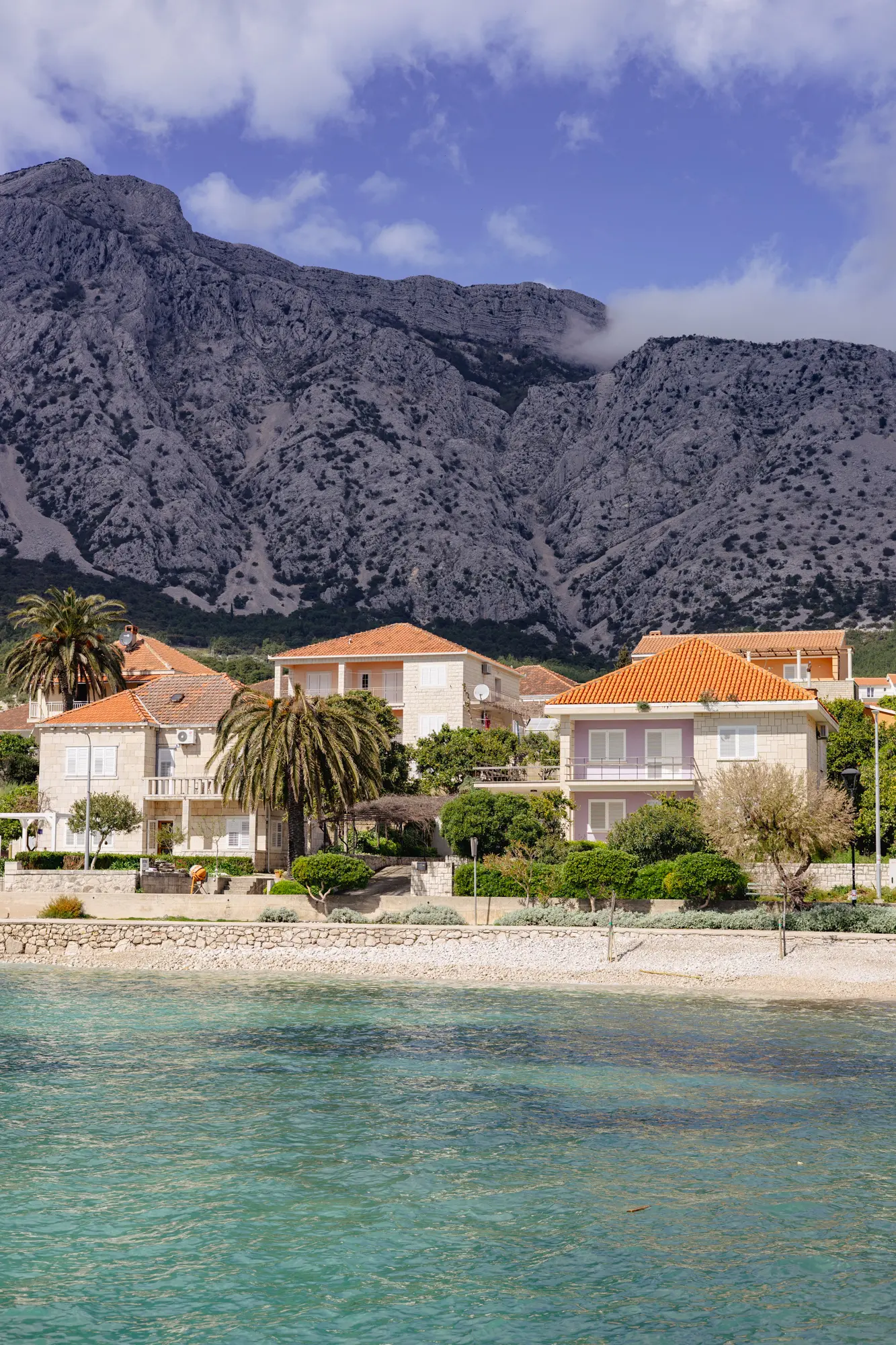
The warmest part of Croatia in March is the south, from Split to Dubrovnik. Daytime temperatures there are usually between 15–20°C (59–68°F), which makes it perfect for enjoying the sun and wearing lighter clothing.
Keep in mind, there’s still a possibility of rain, so check the forecast before your trip and pack a light waterproof jacket just in case.
Are national parks open in March?
Yes, national parks in Croatia are open in March, and you can explore them freely. I’d especially recommend Plitvice Lakes, Krka National Park, and Brijuni National Park.
Is Croatia crowded in March?
No, and that’s the biggest advantage of visiting Croatia in March! While bigger cities like Zagreb and Split still have some visitors, it’s nothing compared to the overcrowded peak summer season. Exploring the coast in March lets you experience Croatia in a much more authentic and local way, without the long lines, busy streets, and tourist traps.
Can you swim in Croatia in March?
No, swimming in Croatia in March isn’t realistic. The Adriatic Sea is still very cold, usually around 12–15°C (54–59°F), which is far from comfortable for most people. Locals and visitors typically start swimming in May, when the water warms up enough for a pleasant experience.
MY PERSONAL TAKE ON VISITING CROATIA IN MARCH
March can be a lovely time to visit if you get lucky with sunny weather, but it’s still quite unpredictable. The month is perfect for exploring without crowds, which is definitely better than exploring Croatia in July and August with huge crowds.
Overall, March is great for a budget-friendly, authentic, and crowd-free visit. Personally, I’d wait until April if possible to increase your chances of nice weather, but if March is your only option, it can still be a great trip!
CONCLUSION: CROATIA IN MARCH
Croatia in March isn’t about sunbathing or island-hopping, it’s about experiencing the country at a slower, more intimate pace. You’ll get to enjoy lower prices, fewer crowds, and beautiful early spring scenery from Zagreb to Dubrovnik.
If you’re flexible and embrace the fact that the weather can be unpredictable, March can be one of the best times to discover Croatia!
Helpful resources for planning your Croatia trip 🇭🇷
• Find your accommodation on Booking.com, Expedia.com or Hotels.com, depending on your budget and preferences
• Rent your car with DiscoverCars
• Buy your ferry tickets at Jadrolinija, TP Line, or Krilo
• Find your public transport options on Omio
• Get your e-Sim from SimLocal
• Grab your tours and entrance tickets at GetYourGuide, Viator, or Tiqets
