BEST TIME TO TRAVEL IN CROATIA: HOW TO CHOOSE THE PERFECT MONTH TO VISIT
If Croatia is on your bucket list but you’re not sure when the best time to visit is, you’re in the right place!
Croatia is a very popular European destination that attracts more and more visitors each year. It’s also a country that can be enjoyed year-round, but for different reasons. You might be someone who loves the sea and sunshine and doesn’t mind crowds. On the other hand, you might prefer milder temperatures and want to avoid busy tourist spots as much as possible. This guide will help you figure out the best time of year to visit Croatia based on your preferences.
I’m a Croatia native, and I’ve explored this beautiful country in every season. These recommendations will help you choose the best time to travel in Croatia depending on where you want to go!
BEST TIME TO TRAVEL IN CROATIA: INLAND DESTINATIONS
There are two very popular inland destinations in Croatia, and those are Zagreb and Plitvice Lakes National Park. Here’s the best time to visit Zagreb, the capital of Croatia, and Plitvice Lakes, the country’s oldest and largest national park!
WHEN TO VISIT ZAGREB?
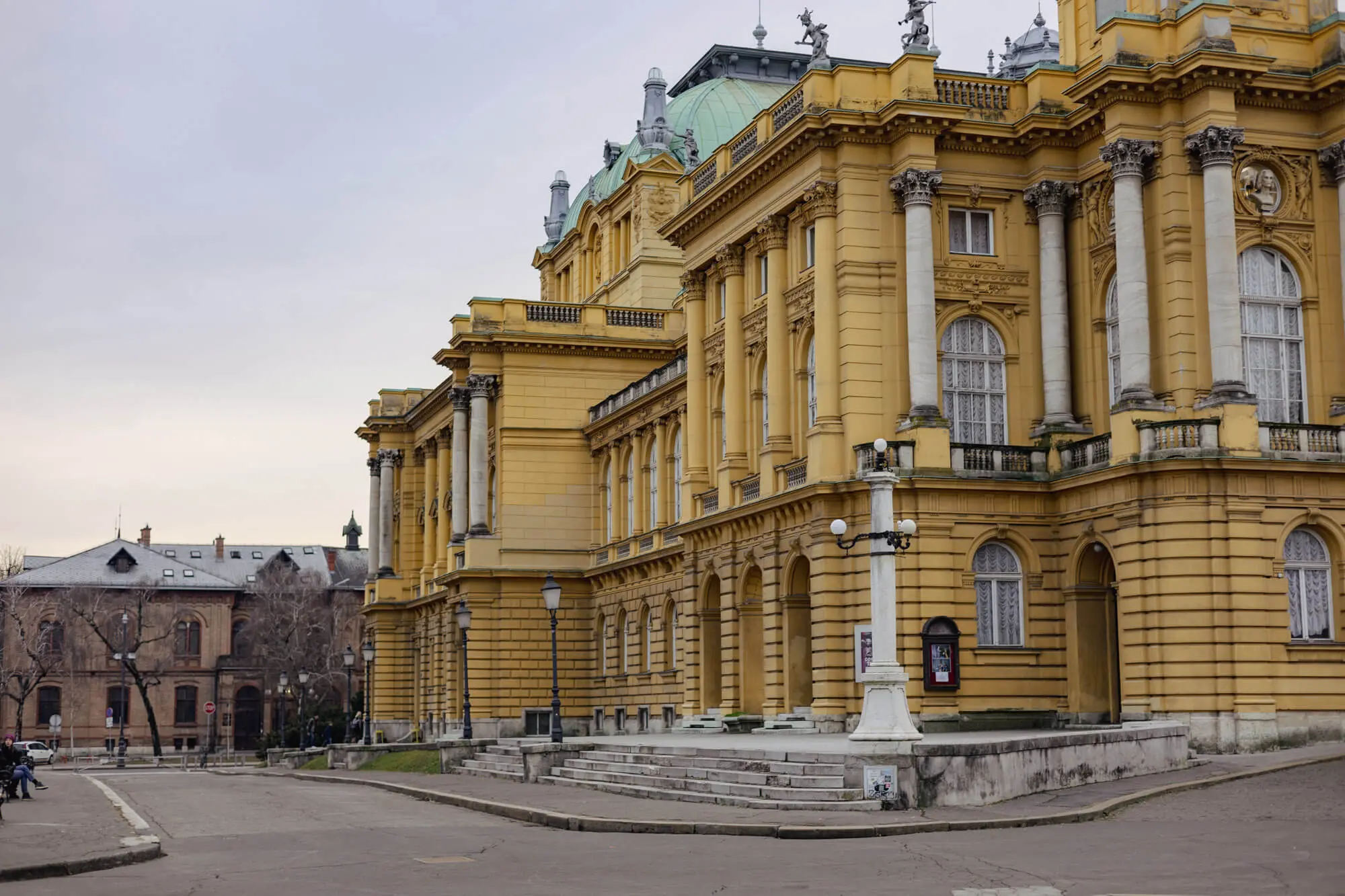
Zagreb is the capital city of Croatia, and it’s usually on everyone’s itinerary, at least for a day or two. If you’re flying into Croatia, there’s a big possibility you’ll fly into Zagreb. If that’s the case, don’t forget to explore it. Zagreb is a city you can truly visit all year round, and in every season there’s something gorgeous about it.
SPRING
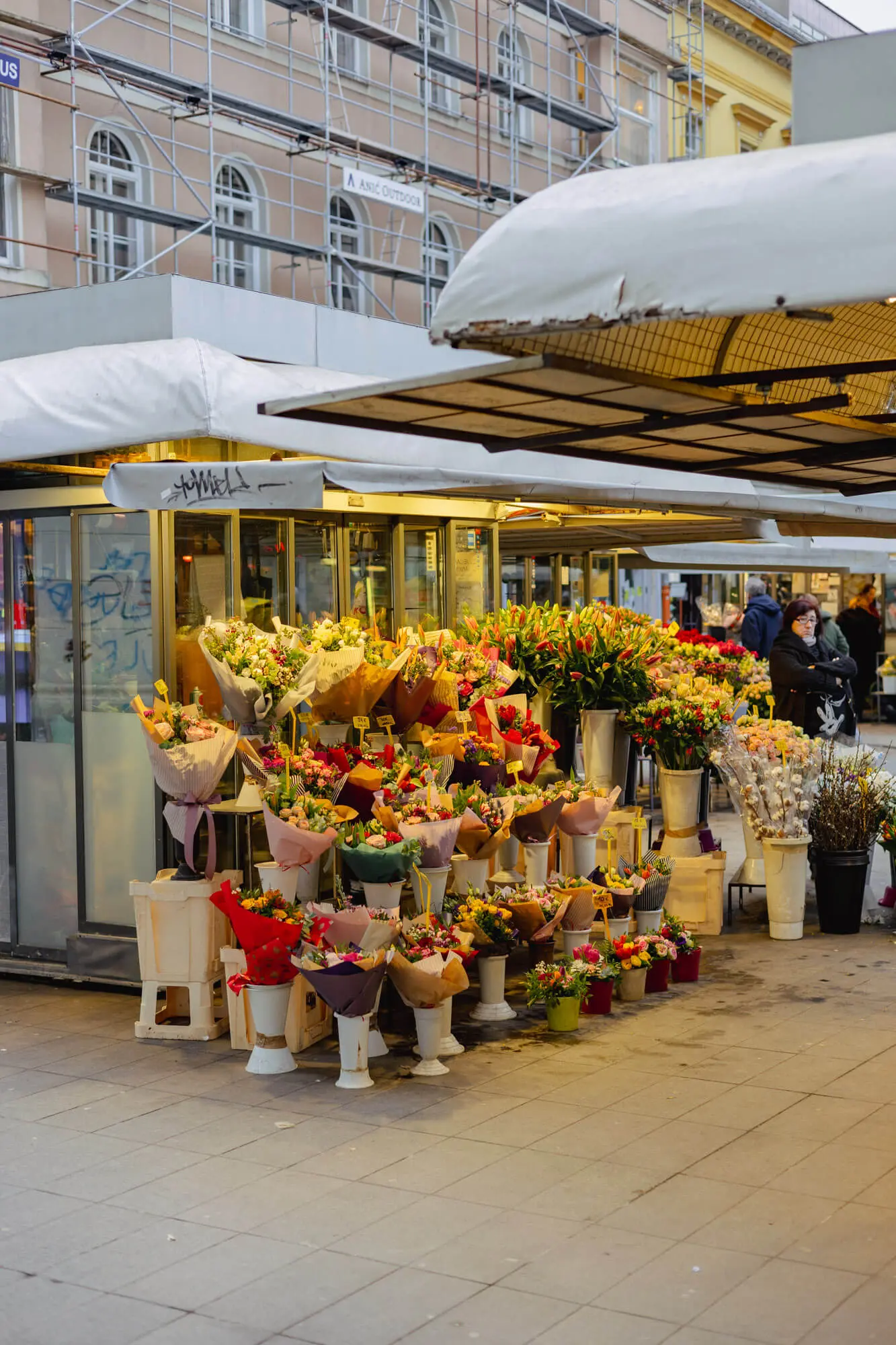
I think spring is a lovely time to visit Zagreb. The weather starts to warm up, and the city comes alive with blooming flowers and outdoor events. Some of the best attractions of this city are its parks, so getting to explore them while the flowers are blooming will be a special experience. You can also visit outdoor markets such as Dolac market, and enjoy café culture without the summer crowds. The best times to visit in spring are late March to May.
SUMMER
Spending summer holidays in Zagreb can be a hit or miss, depending on your preferences. Summer in Zagreb is often warm and pleasant, but there are also days when the temperatures get very high. Unlike the coast, Zagreb is mostly concrete, so the main escape from the heat will be the city’s parks.
Summer is also peak tourist season, but Zagreb is big enough that it usually doesn’t feel overwhelming. You can expect plenty of visitors, especially during outdoor concerts, street performances, and cultural events. Still, it’s generally less crowded than coastal cities like Split or Dubrovnik, and many Croatians actually leave Zagreb for the coast during summer.
Accommodation can be quite expensive during this time, so it’s good to be prepared for that. The best summer months to visit are usually July and August.
AUTUMN
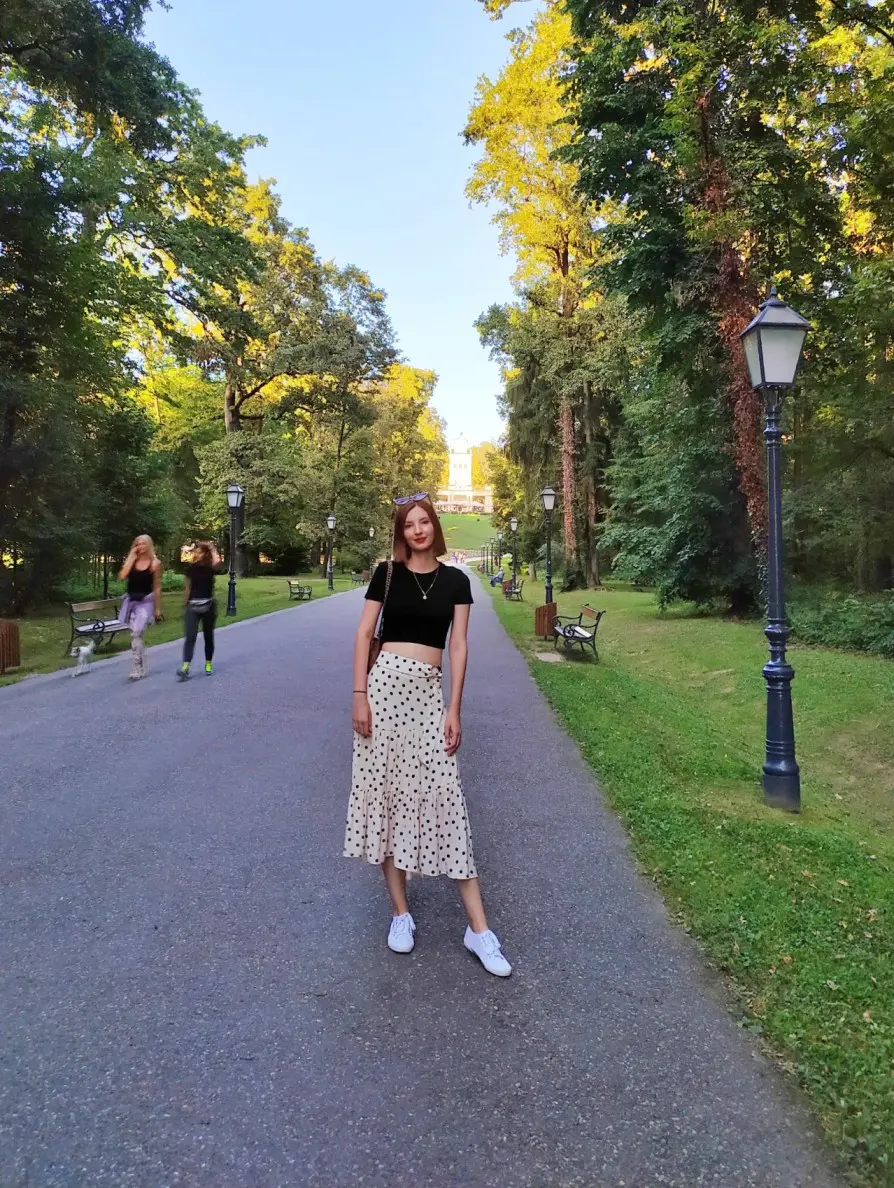
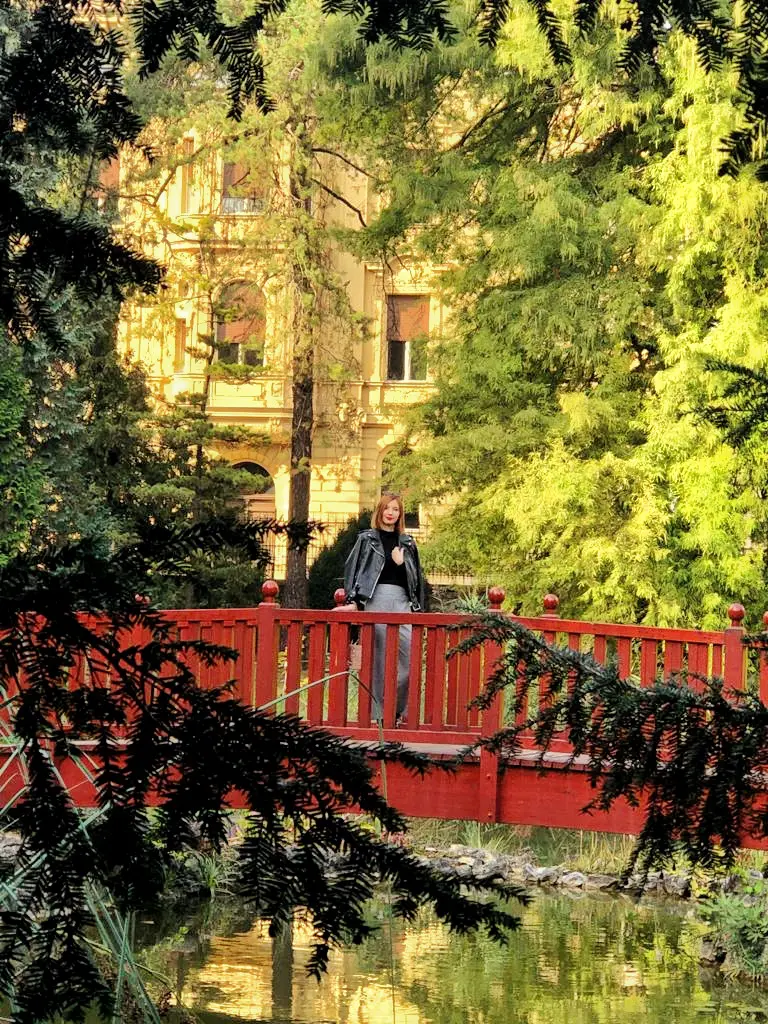
Similarly to spring, early autumn is a great time to visit Zagreb, especially if you prefer milder temperatures and fewer tourists. The city’s parks turn shades of red and gold, and they’re perfect for scenic walks.
Early autumn still keeps some of the relaxed summer atmosphere, but as you move closer to winter, events become less frequent and the weather changes. If you don’t enjoy gloom, rain, and cold, it’s best to avoid the late fall months, like late October and November.
WINTER
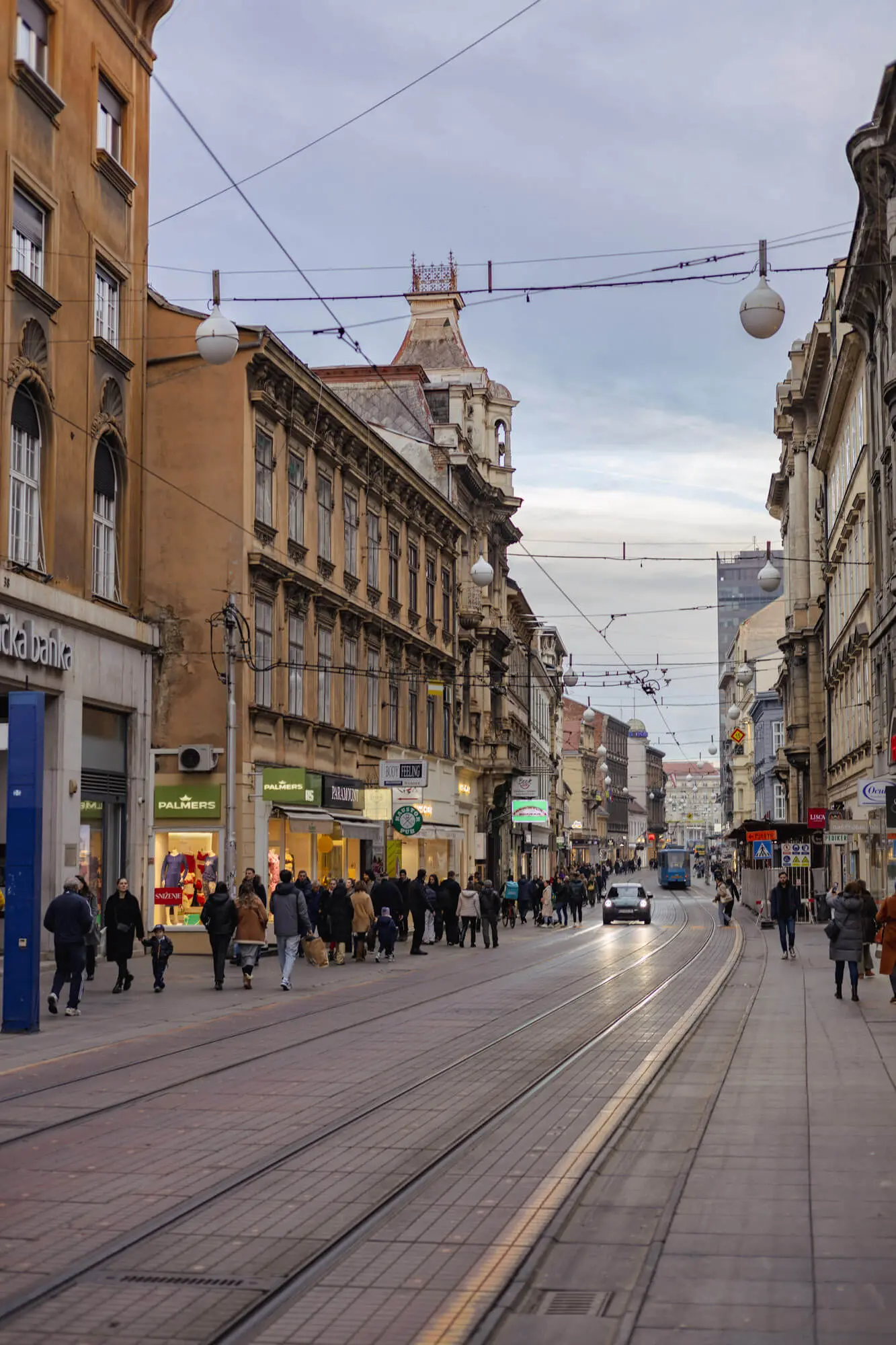
Winter in Zagreb is magical, especially if you don’t mind the cold. The city hosts one of the best Christmas markets in Europe, so the holiday season is truly wonderful. During December, Zagreb is offering festive decorations, traditional foods, and entertainment.
The accommodation is especially pricey during this time of the year, so keep that in mind and book in advance! Additionally, if you enjoy winter sports, you can also visit nearby Medvednica mountain for skiing and sledding. The mountain’s highest peak Sljeme is perfect for beginner skiiers and children!
If I were visiting for the first time, I would choose either summer or winter to explore Zagreb. Summer is generally the best time to travel in Croatia, and Zagreb is no different. You either get lively and outgoing Zagreb during summer, or winter wonderland during winter. I don’t know which is better!
WHEN TO VISIT PLITVICE LAKES?
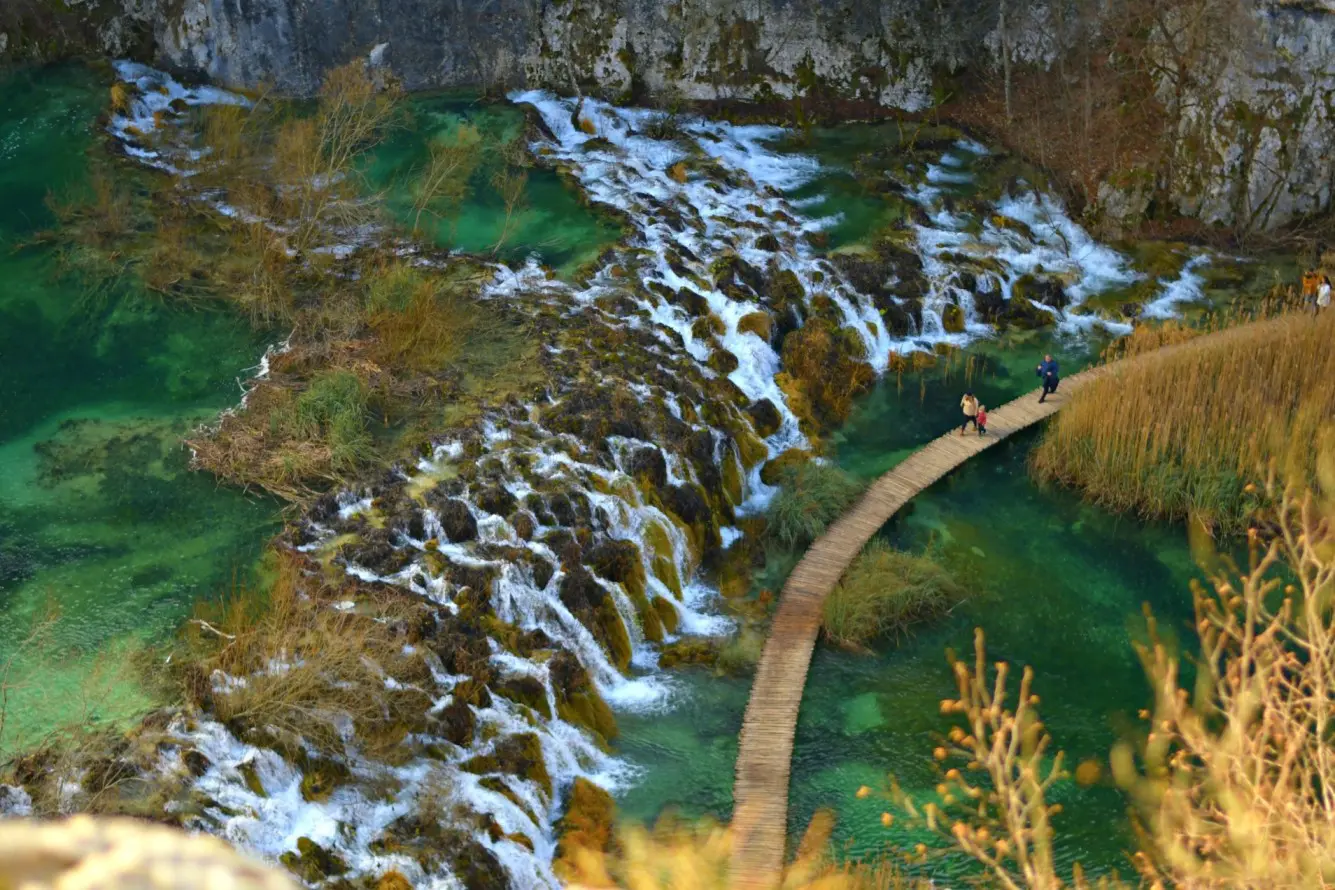
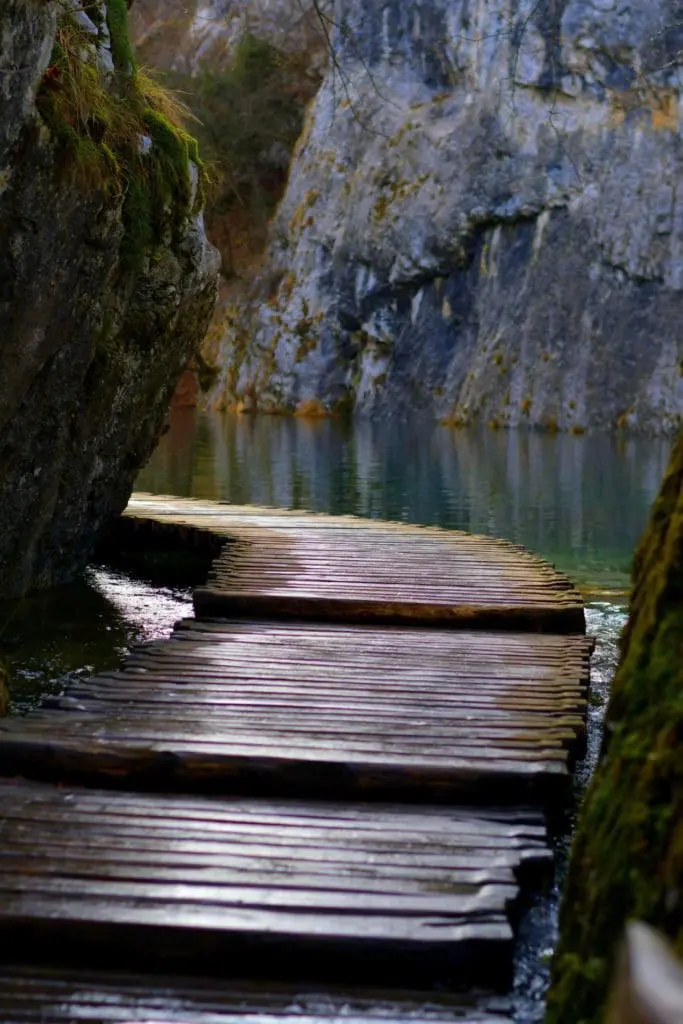
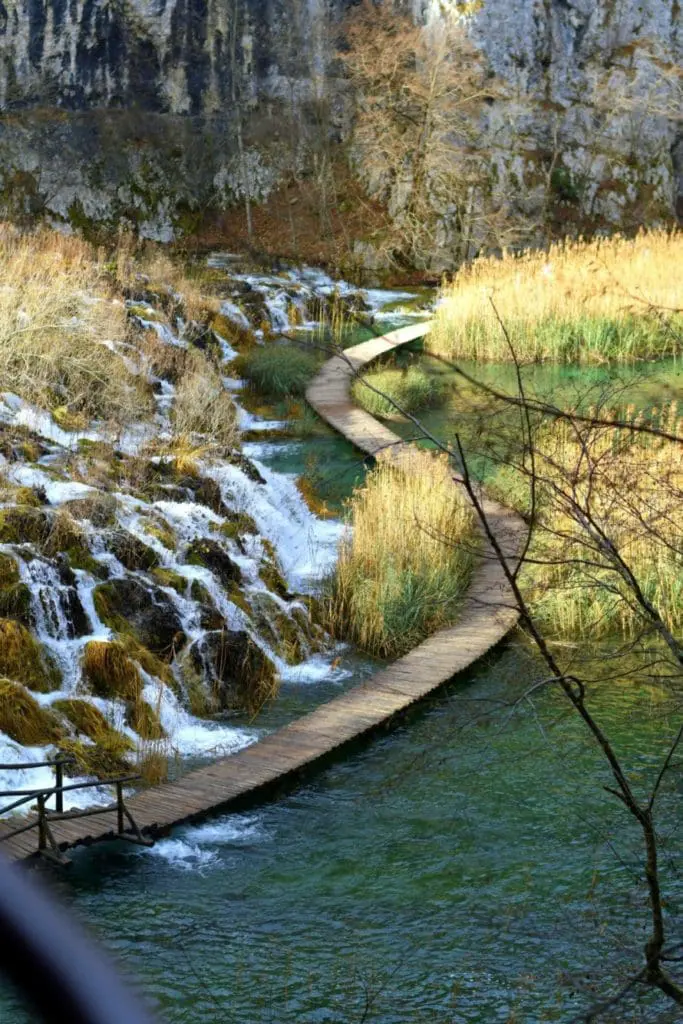
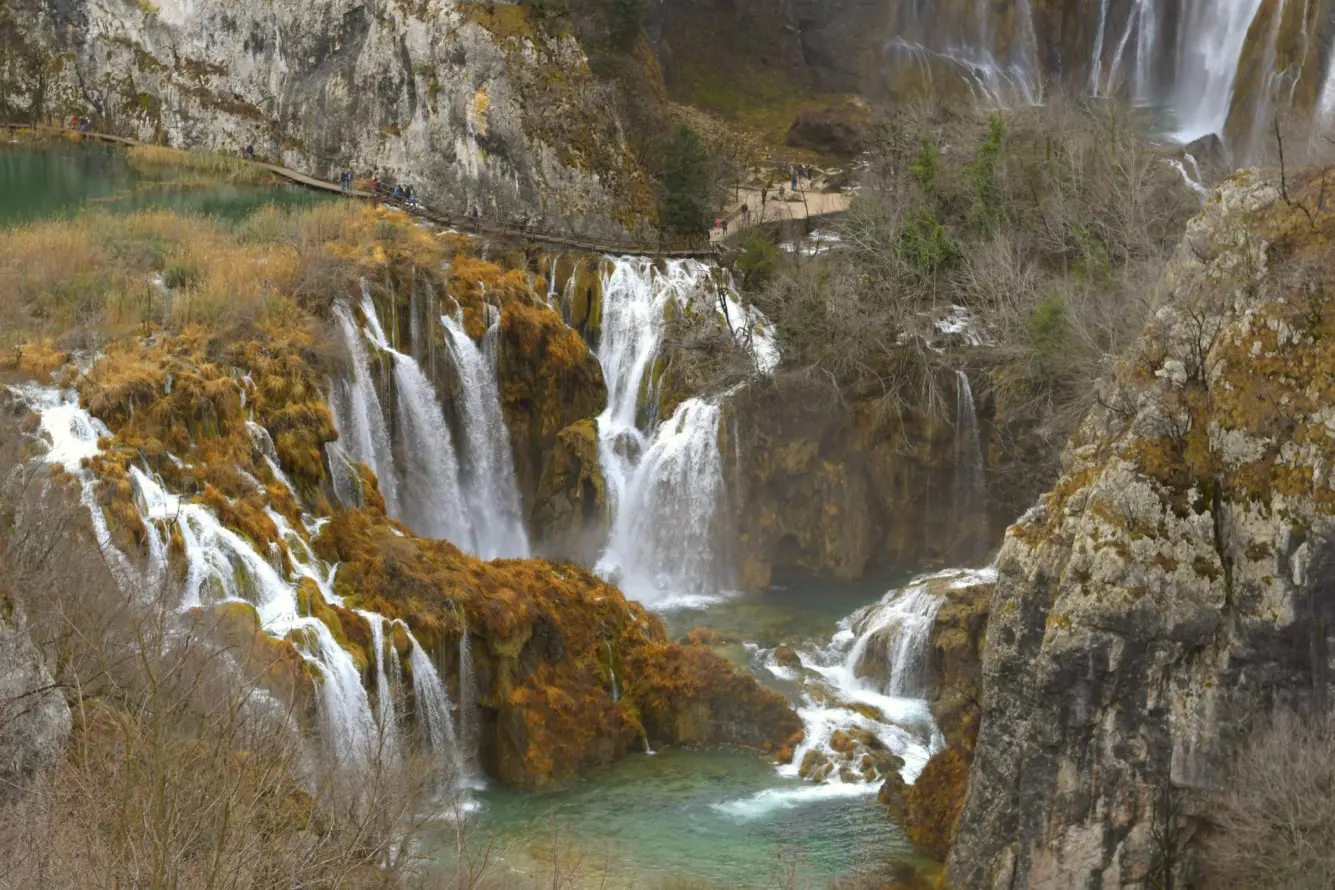
The Plitvice Lakes National Park in Croatia is a breathtaking natural wonder, famous for its cascading lakes, waterfalls, and greenery. It’s beautiful year-round, but each season brings something unique to the park:
SPRING
Spring is one of the best times to visit Plitvice Lakes. The park comes alive with blooming flowers and fresh greenery, and the weather is mild, so it’s perfect for hiking and exploring the trails. Waterfalls are at their fullest thanks to spring rains, so you get some really amazing views. Entrance tickets are also cheaper in March and April compared to peak season. Keep in mind, though, that the trees start turning green only in late April, so earlier in the season you’ll see stunning waterfalls but less greenery.
SUMMER
Summer is a popular time to visit Plitvice Lakes because many travellers head to the coast and stop at the park along the way. The weather is warm, and the park is in full bloom so it looks exceptionally beautiful. However, it’s peak tourist season, so expect large crowds and longer waits at the entrances.
If you prefer avoiding lines of hundreds of people, you might want to skip summer. That said, the lakes and waterfalls are still stunning, so it’s worth visiting if summer is your only option. Keep in mind that tickets are at their highest then, up to €40 per person in July and August.
AUTUMN
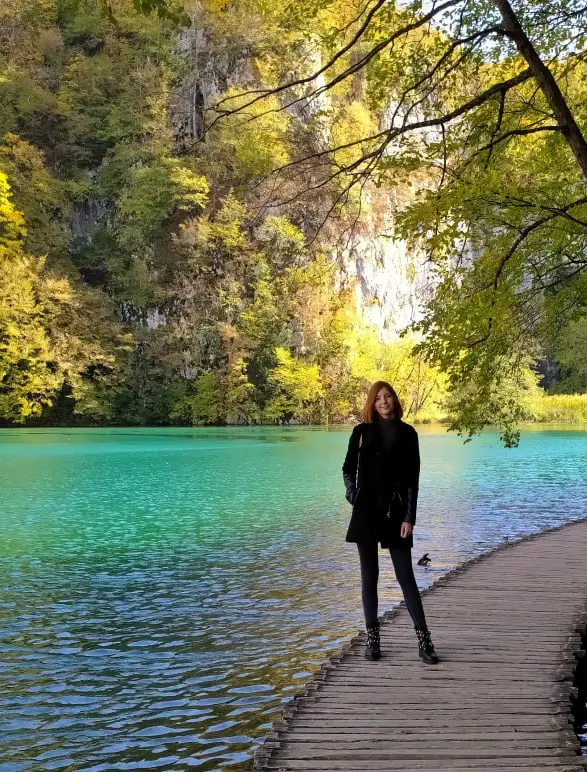
Autumn is the best time to travel in Croatia if you don’t like crowds. This season is a fantastic time to visit Plitvice Lakes because there are fewer crowds than in summer. The foliage begins to change colour, creating a picturesque backdrop for your visit.
I would highly recommend visiting during this time of the year because the scenery is magnificent and absolutely one of a kind. In autumn, the weather starts to cool down, but it’s still pleasant for hiking and outdoor activities, so you won’t freeze. Bring an umbrella or a raincoat just in case, and a pair of good boots!
WINTER
Winter is not the easiest time to visit Plitvice, but it’s definitely the most magical. While Plitvice Lakes NP is open year-round, winter can be a challenging time to visit due to snow and ice. Some trails may be closed, so you won’t be able to explore the whole park.
A plus in winter is that the waterfalls may freeze over, giving you a different but absolutely stunning landscape. If you’re interested in visiting during winter, be sure to check the park’s website for any updates on trail conditions and closures. Winter (December – February) offers the cheapest tickets to the NP, so if that’s important to you this might be a great time to visit!
If you’re thinking of visiting Plitvice Lakes, I would highly recommend visiting this NP during spring or autumn. The colours are the prettiest at those times of the year, yet there aren’t many tourists at those times.
BEST TIME TO TRAVEL IN CROATIA: THE ADRIATIC COAST
WHEN TO VISIT ISTRIA?
Istria is a stunning region in Croatia, famous for its charming coastal towns, vineyards, and truffle-rich forests. Many of its villages feel like little Italian towns, and the Brijuni National Park is a must-visit. Istria is beautiful year-round, but here’s a quick seasonal guide to help you plan your visit.
SPRING
Spring is a wonderful time to visit Istria. From March onwards, the weather warms up, and the countryside is absolutely stunning. It’s perfect for outdoor activities like hiking, cycling, and wandering through charming villages. It’s also got fewer tourists around, so you can truly enjoy the peaceful atmosphere. March or April is ideal to experience Istria’s springtime charm!
SUMMER
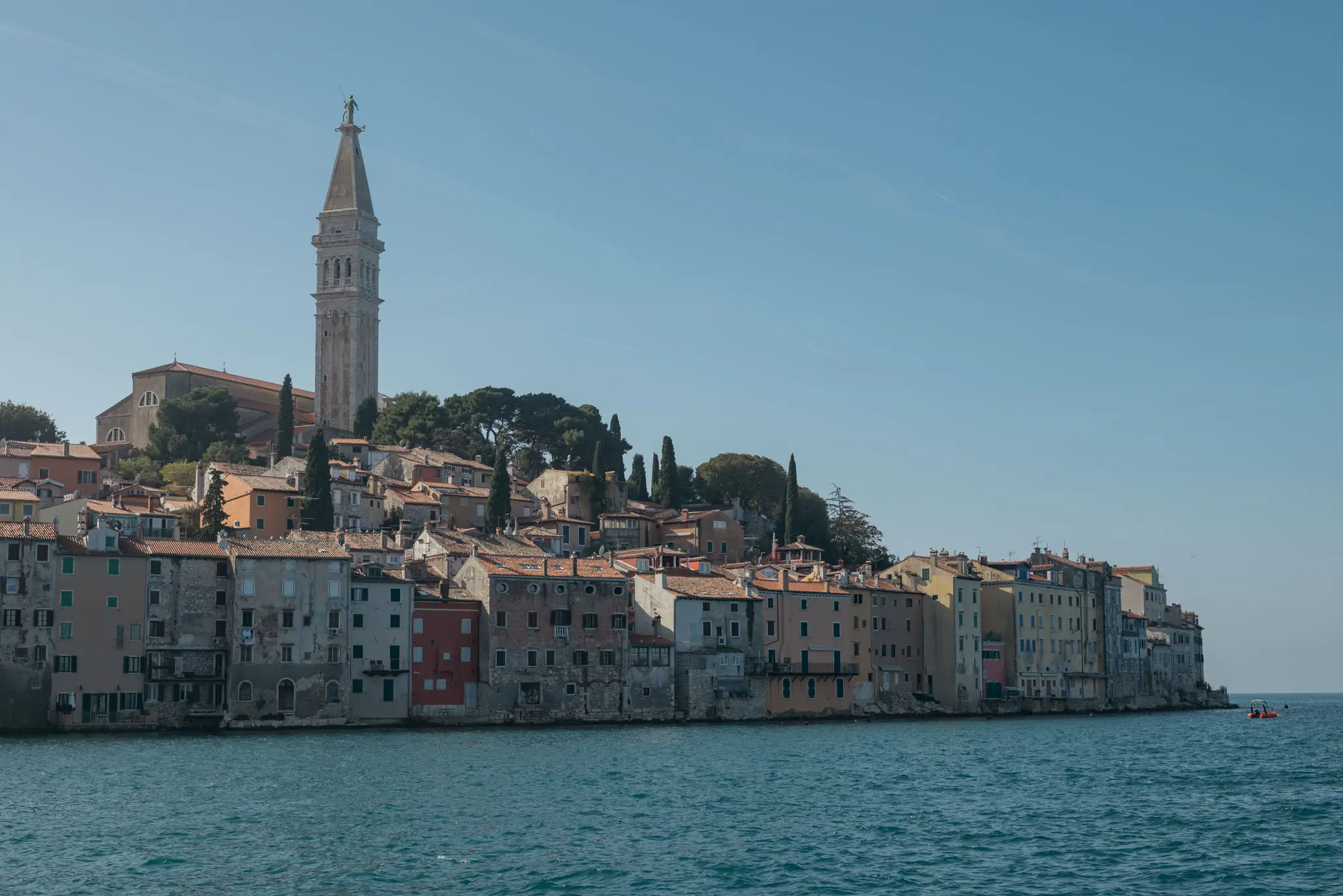
Summer is peak season in Istria, with warm weather and lots of sunshine. It’s ideal for beach lovers, but not for those who dislike crowds. Coastal towns like Rovinj, Pula, and Porec are lively with beach bars, water sports, and cultural events. There’s plenty to do across the peninsula, and the summer scenery is stunning. Just keep in mind that popular spots like Pula and Rovinj can be very crowded, and accommodation prices are high during this season.

AUTUMN
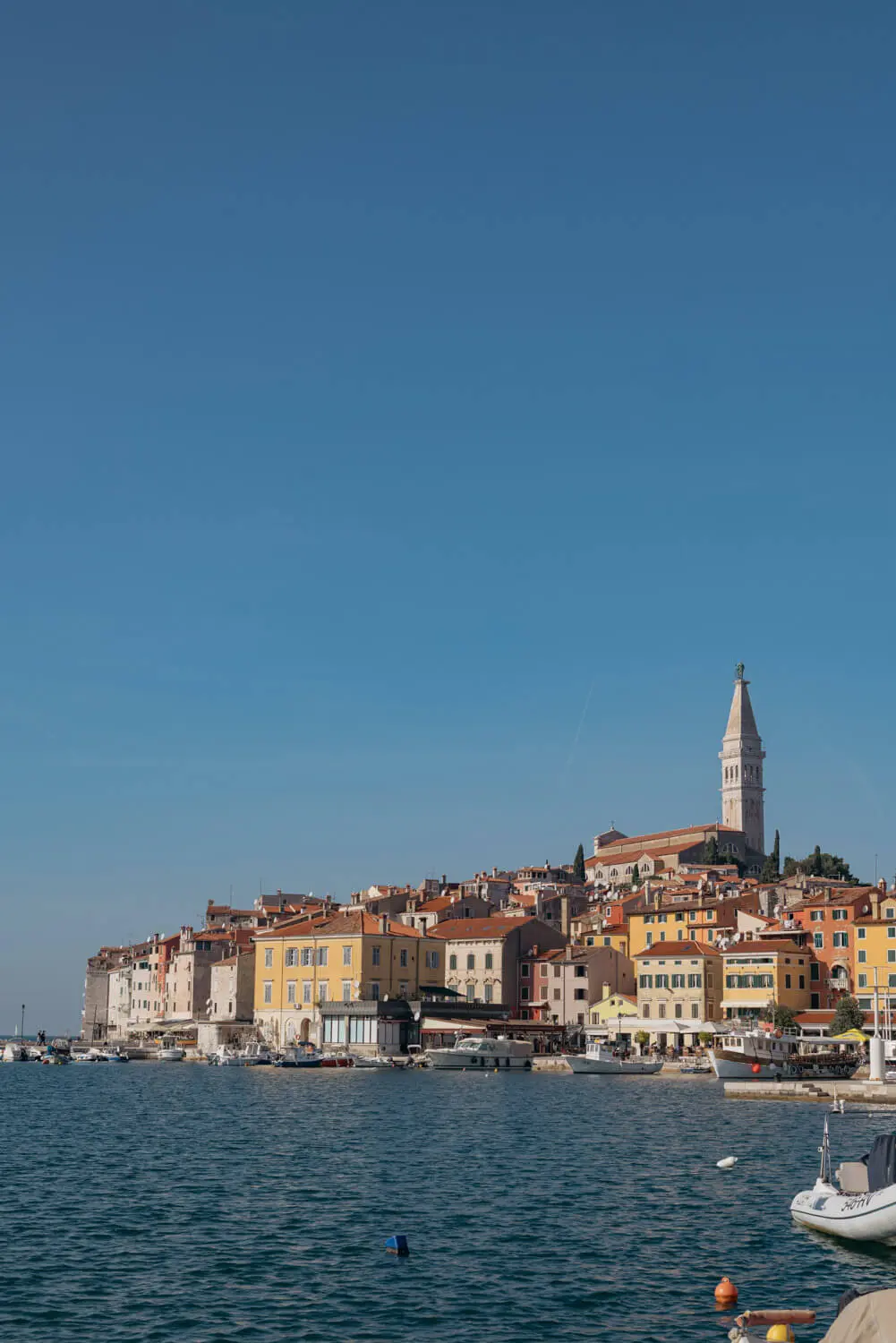
Many people, myself included, think autumn is the best time to visit Istria. While summer and spring are gorgeous, there’s something especially charming when it comes to the autumnal version of Istria. The weather remains warm, the sea is still pleasant for swimming, and the restaurants are full of great food and wine.
The best part is that Istria gets quite empty in autumn, so you’ll be free to explore it as you wish. We spent a few days in Rovinj in October and it was so quiet and peaceful, unlike any summer month. I would always recommend autumn for visiting Istria.
WINTER
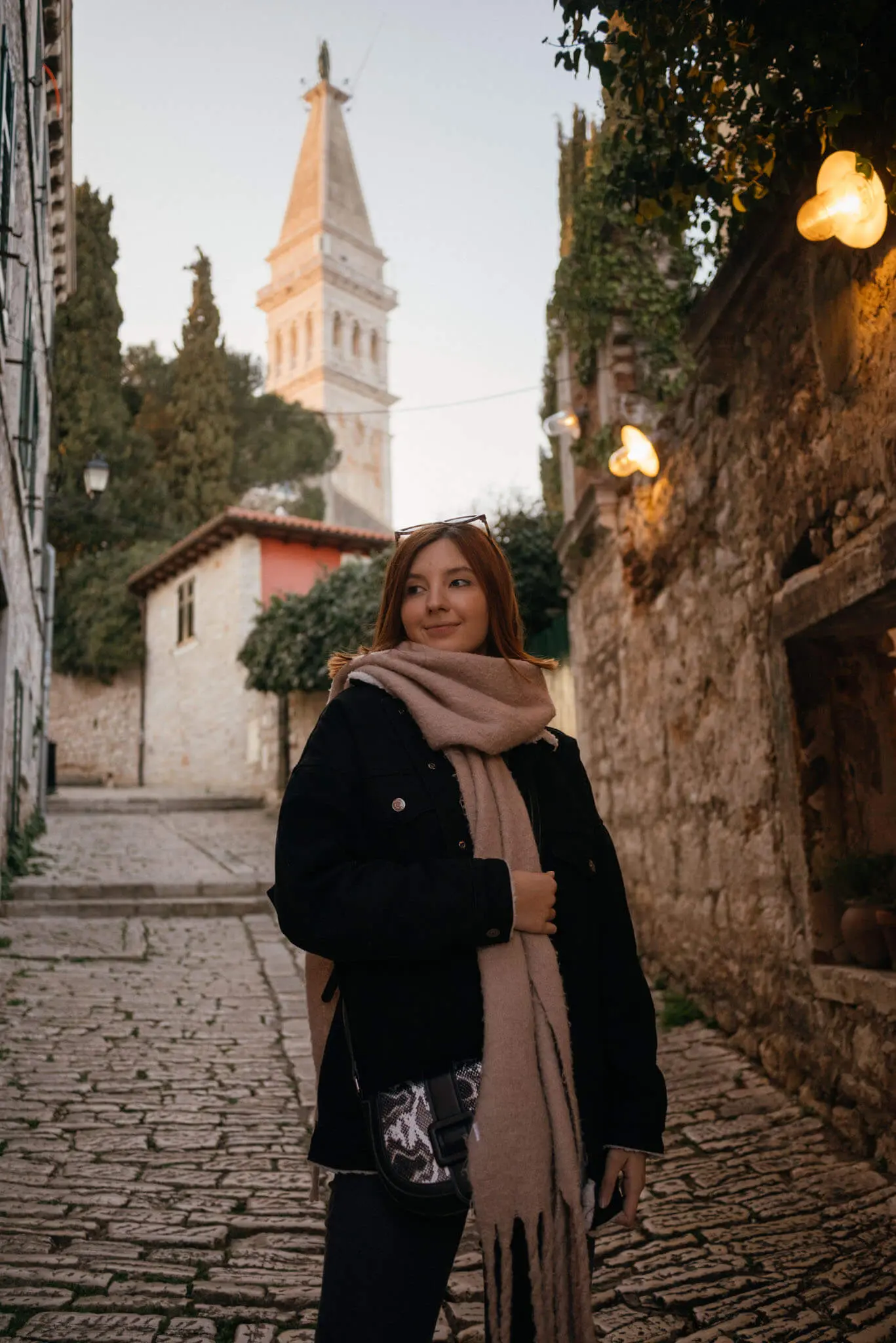
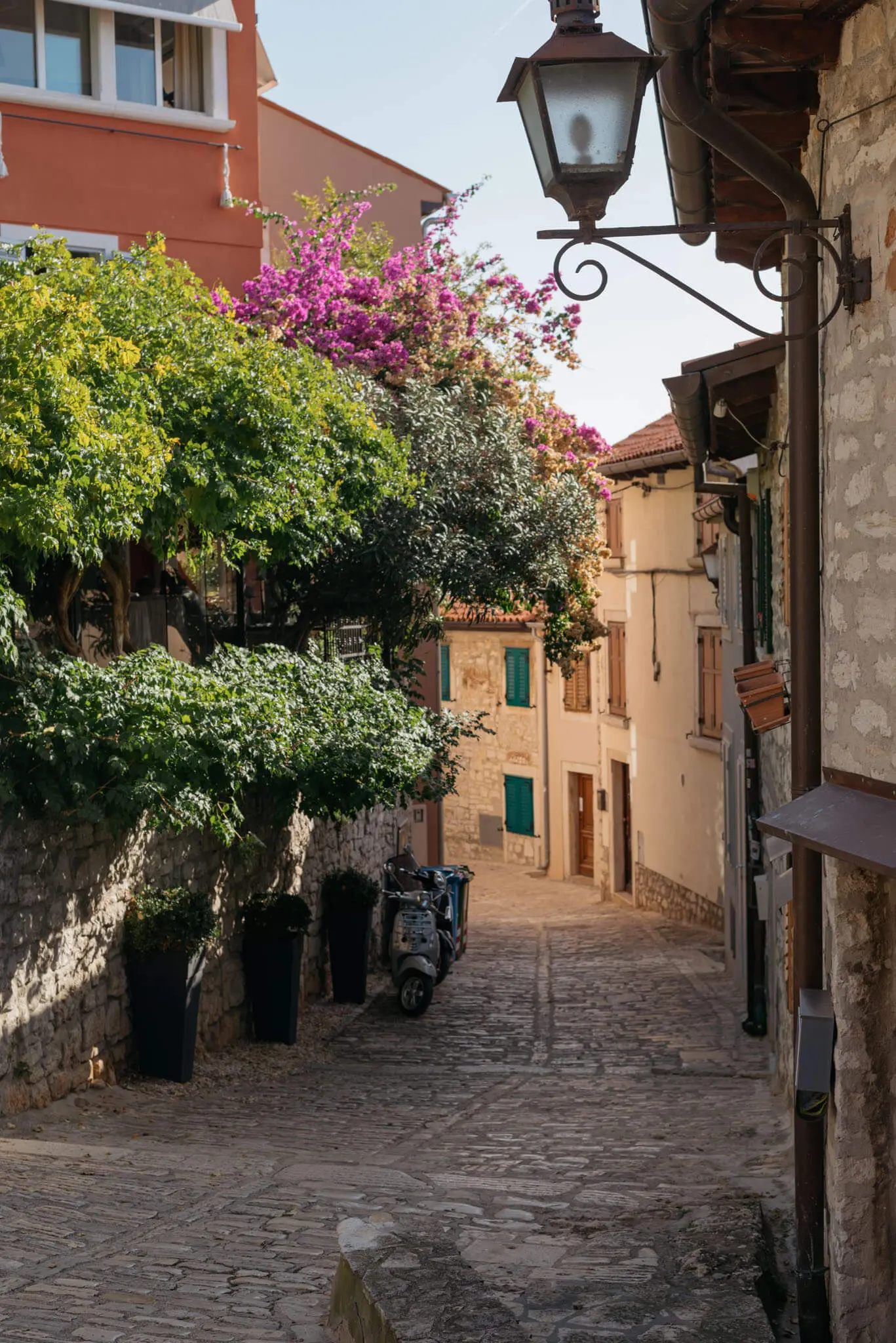
Winter in Istria is relatively mild compared to other parts of Europe, but it’s not warm by any means. The temperatures go as low as 6 degrees, so you’ll need a warm jacket for sure. You won’t have any problems with crowds at this time of the year, but keep in mind that as the season ends many businesses close down. That means that there aren’t that many cafes, bars, and restaurants that are open in winter. For some people, this time of the year might even get too quiet and boring. On the plus side, the accommodation will be pretty cheap at this time of the year!
When it comes to the Istrian peninsula, spring and autumn are the best times to visit. I adore Istria in autumn and I would highly recommend visiting from September to early November.
WHEN TO VISIT THE DALMATIAN COAST?
The Dalmatian Coast is Croatia’s most popular and beloved region, famous for its stunning coastline, historic towns, and lively atmosphere. Famous cities like Split, Zadar, and Dubrovnik, along with islands such as Korcula, Hvar, and Brac, are all part of Dalmatia. Although most visitors explore Dalmatia in summer, here’s what each season has to offer.
SUMMER
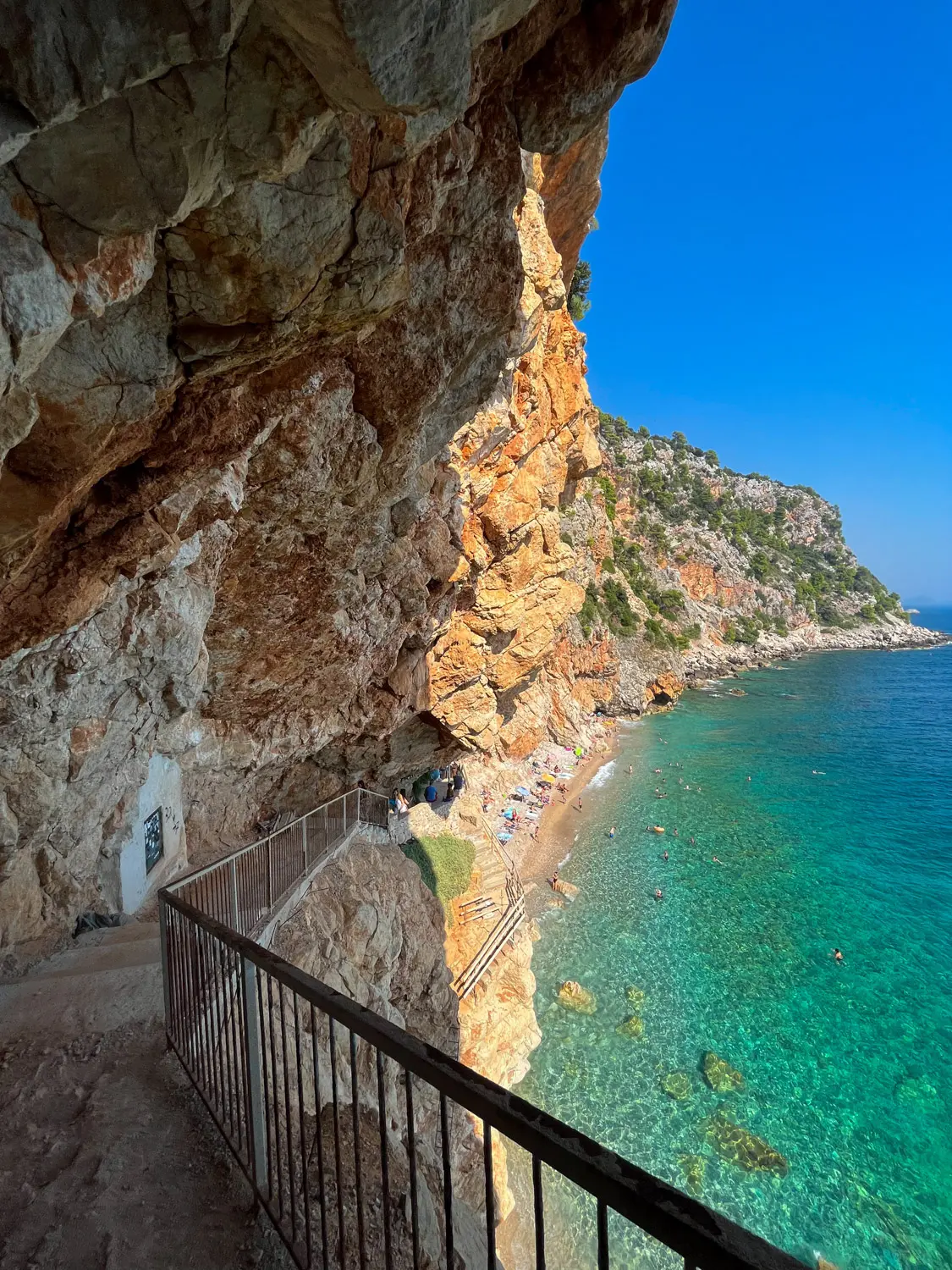
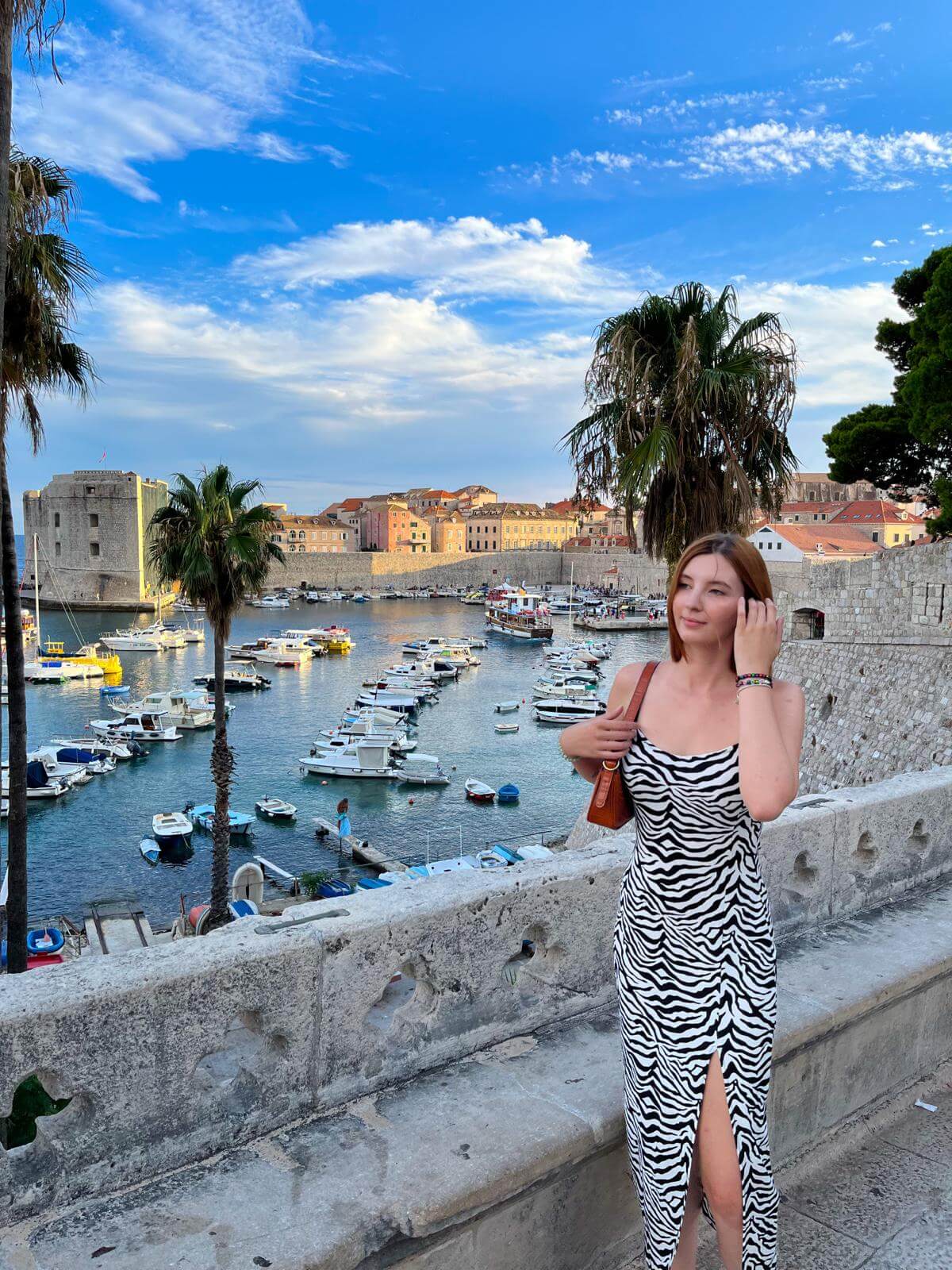
Summer is peak season in Dalmatia, and that’s because you can fully enjoy the crystal-clear Adriatic Sea. The weather is warm and sunny so you can go to the beach, go sailing, or explore coastal towns.
However, it’s also very crowded, because there are plenty of tourists, and all Croatians go to the coast. If you prefer a quieter experience, consider staying in smaller, lesser-known towns for more privacy and peace. Keep in mind that accommodation in popular destinations is much more expensive during this time!
SPRING AND AUTUMN
Spring and autumn are great times to visit the Dalmatian Coast if you like milder weather and fewer crowds. The weather is nice, and you might even be able to swim. You can enjoy hiking, cycling, and exploring historic sites without the summer rush. The coast feels more relaxed, and hotels and apartments are cheaper during these shoulder seasons. The best months to visit are April, May, September, and October. I personally really love May and September!
WINTER
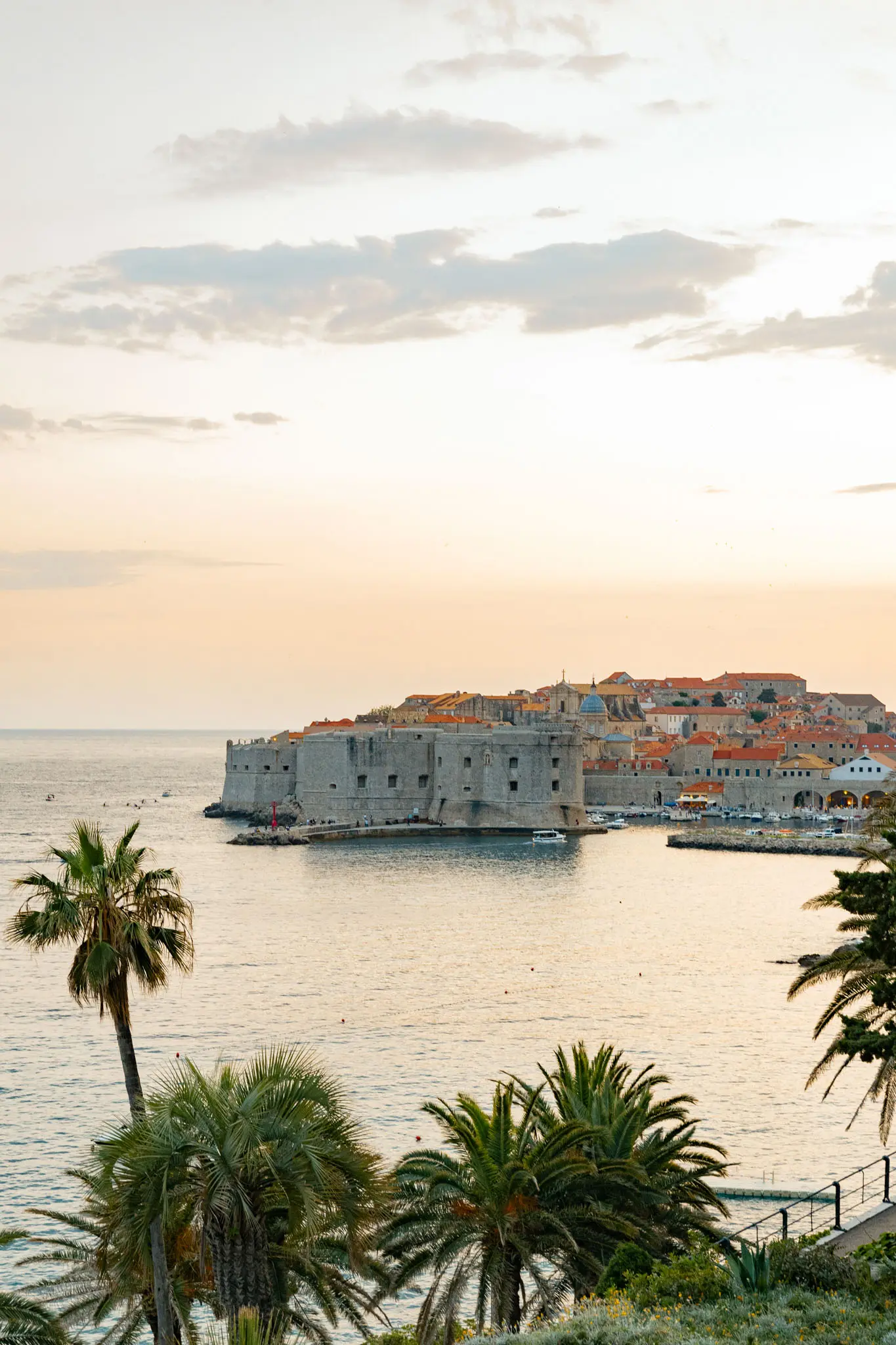
Winter on the Dalmatian Coast is relatively mild compared to other parts of Europe. It’s also the quietest time for tourism. You won’t have anything particularly exciting to do – many bars and restaurants are closed, you can’t indulge in water activities, and other experiences are often paused until the next season. If you choose winter, stay in bigger cities which still have bars and cafes opened for the local population.
Winters are often rainy and windy, and the temperatures range from 6 to 14 degrees. The accommodation is cheap because there are little to no tourists on the coast during winter. Personally, I wouldn’t really choose winter to explore the coast, my favorite time would be late summer or early autumn because the crowds begin to depart and the sea is still enjoyable!
Generally, the best time to visit Dalmatia are April and May, as well as September and October. If you’d still like to enjoy the Adriatic Sea, I would highly recommend visiting in late August or September.
MY PERSONAL TAKE ON WHAT’S THE BEST TIME TO VISIT CROATIA
Croatia is beautiful almost any time of year, but if it were my first visit, I’d do it like this. I’d visit Zagreb in summer or winter. Summer has lots of fun outdoor events and festivals, and it’s super lively. Winter is magical thanks to the Christmas Market, making Zagreb one of the most charming cities in Europe.
For all other locations, including Istria, Dalmatia, and Plitvice Lakes, I’d go in May or September. May is stunning, with minimal crowds and beautiful weather, though the sea might still be too cool for swimming. September, on the other hand, offers amazing weather, smaller crowds than July or August, and is perfect for swimming and other water activities. Finally, July and August are ideal if your main goal is enjoying the sea, but be aware that the coast is very crowded during these months, except on some of the more remote islands, so prepare yourself for that.
CONCLUSION: BEST TIME TO VISIT CROATIA
The answer really depends on your preferences, but for me, late spring and early autumn are the best times to visit Croatia. Seeing the coast in May or September is much more enjoyable than during the busy summer months, especially if you don’t like crowds. If you must come in summer, plan carefully where you go so you don’t end up in packed areas. Zagreb, on the other hand, is at its loveliest in summer and winter!
Helpful resources for planning your Croatia trip 🇭🇷
• Find your accommodation on Booking.com, Expedia.com or Hotels.com, depending on your budget and preferences
• Rent your car with DiscoverCars
• Buy your ferry tickets at Jadrolinija, TP Line, or Krilo
• Find your public transport options on Omio
• Get your e-Sim from SimLocal
• Grab your tours and entrance tickets at GetYourGuide, Viator, or Tiqets
